Last updated November 21, 2026
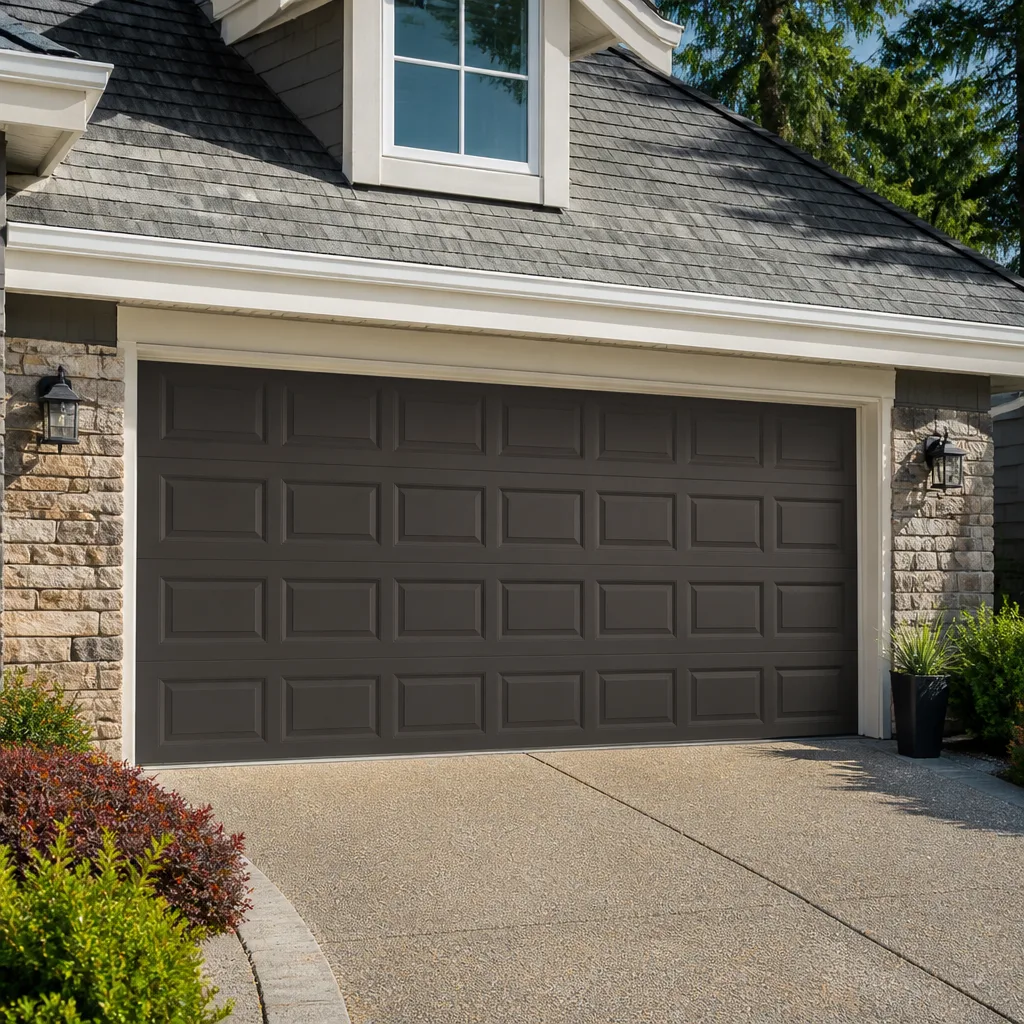 Raised-panel steel
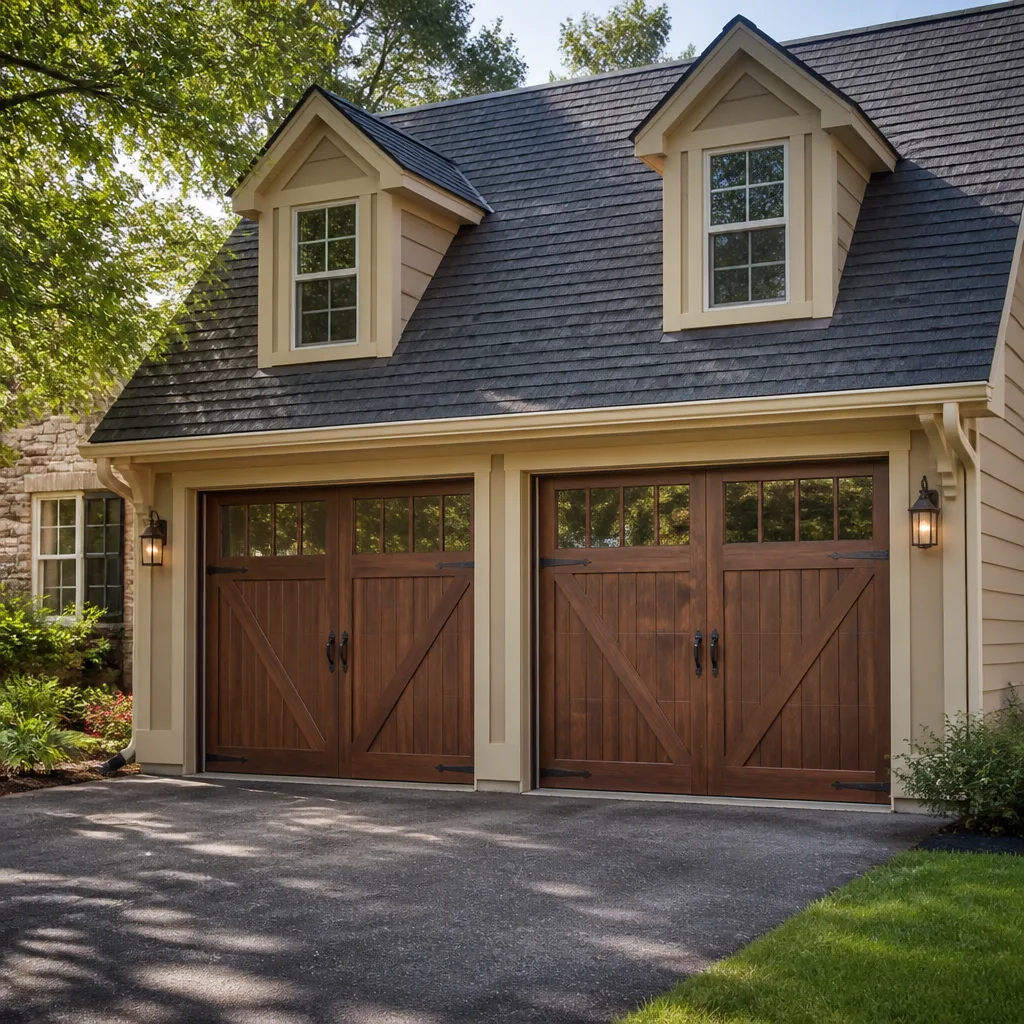 Carriage house
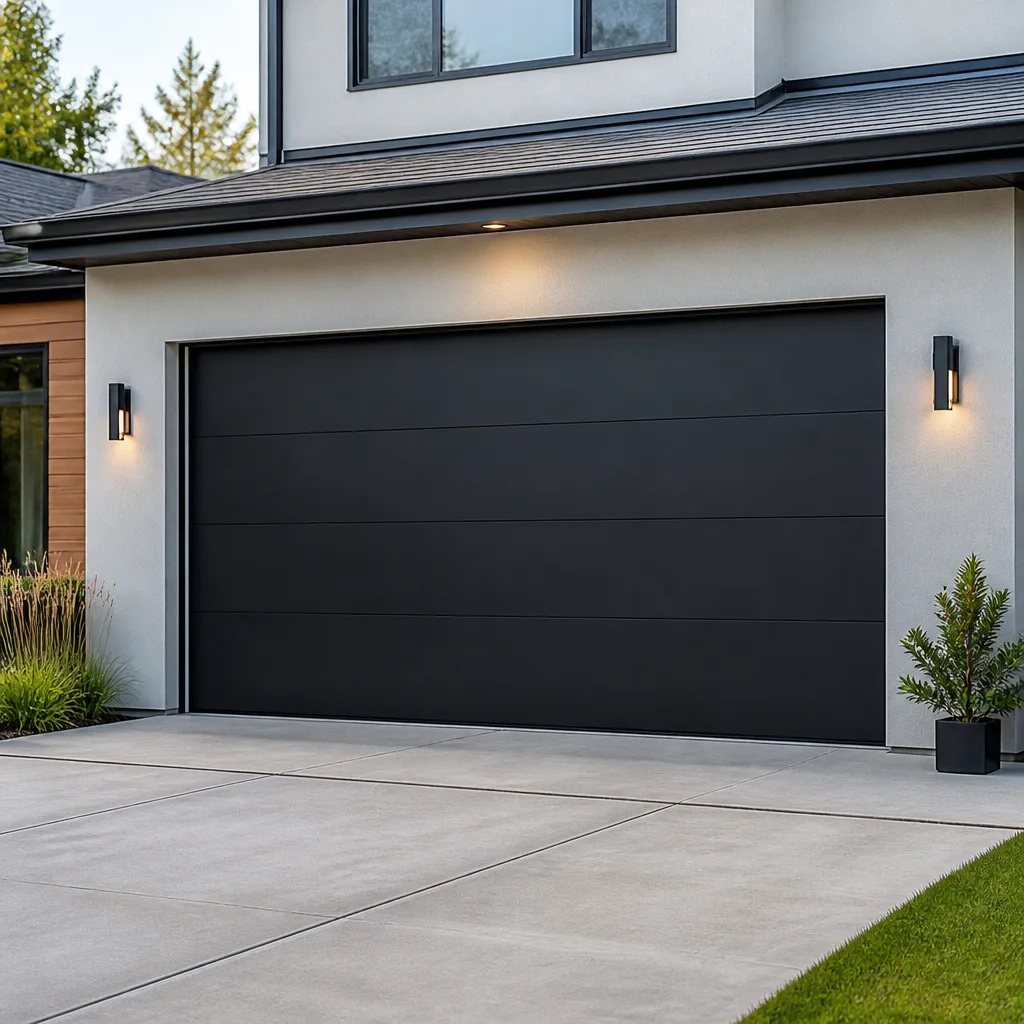 Modern flush
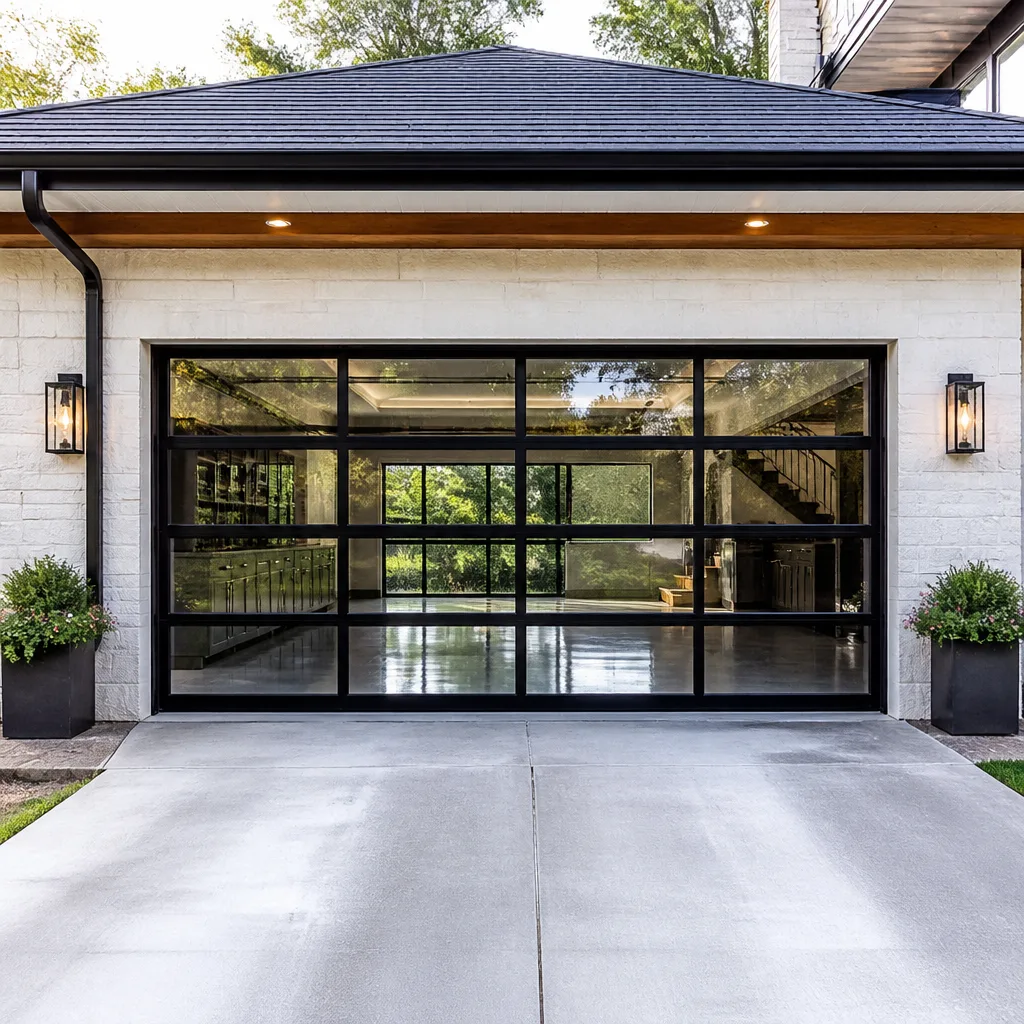 Full-view glass
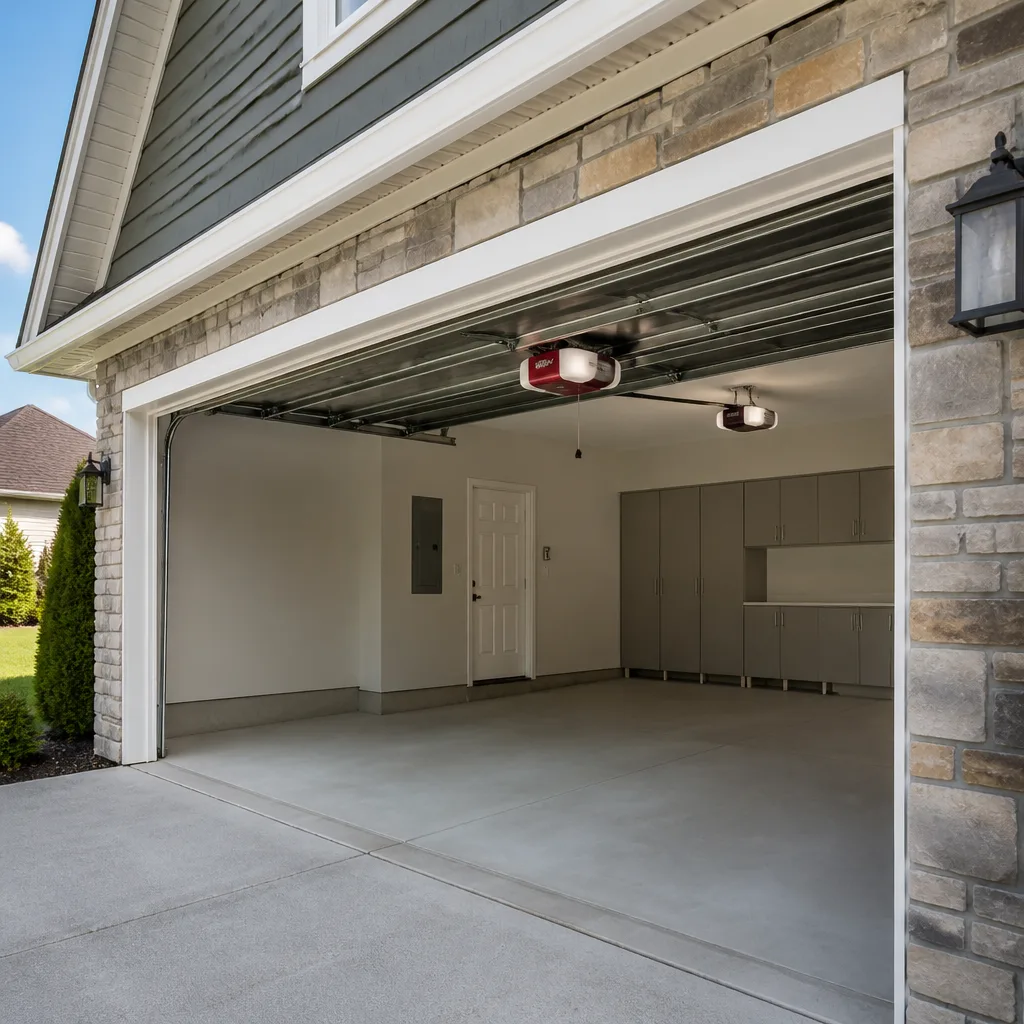 LiftMaster openers
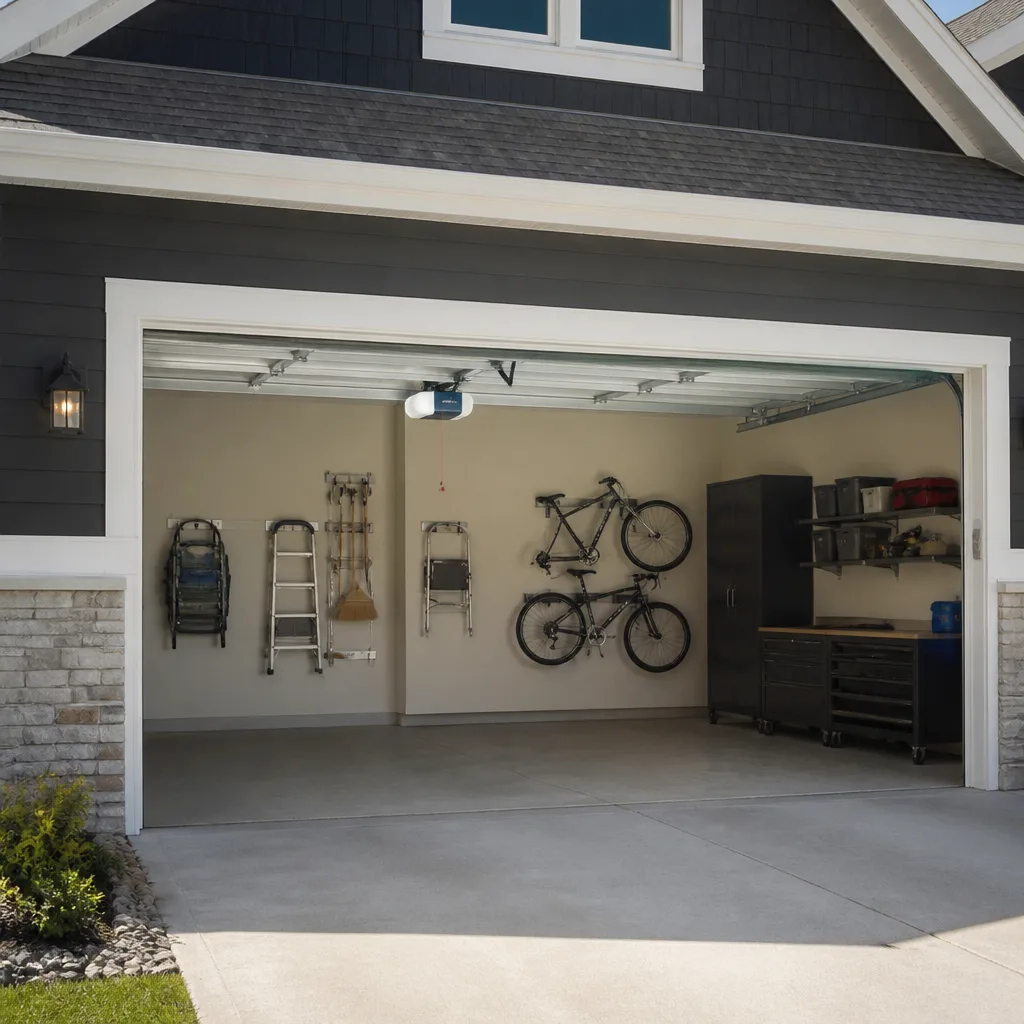 Chamberlain openers
Full 25-point door and opener safety check with every visit - springs, cables, rollers, tracks, and your LiftMaster or Chamberlain opener included
You get a price before we start. It does not change when the pro arrives.
Get your free estimateDIY vs Professional Garage Door: The Northeast Philadelphia Homeowner’s Decision Guide
Most homeowners in Northeast Philadelphia lump every garage door task into one terrifying bucket labeled “call a professional.” That’s not accurate, and it costs people money and time they don’t need to spend. Meanwhile, the same homeowners sometimes try to swap a torsion spring with a pair of locking pliers, which is a genuinely dangerous mistake. The line between safe homeowner work and serious injury risk is specific and well-defined, and almost nobody explains it honestly. This guide draws that line clearly. You’ll learn which tasks you can safely own, which need moderate skill and basic tools, and which ones never make financial or physical sense to attempt yourself.
Quick Answer
Lubricating hinges and rollers, replacing a bottom weather seal, tightening loose hardware, and resetting or reprogramming an opener are all safe for a homeowner with basic tools. Torsion and extension spring work, cable replacement, and track realignment on a tensioned system belong with a trained technician because the stored energy in a wound spring can cause serious injury in under a second. Everything else – opener installation, panel replacement, full door replacement – sits in a middle zone where the math usually favors a professional once you count tools, time, and warranty risk.
Styles & brands we work with
- Raised-panel steel
- Carriage house
- Modern flush
- Full-view glass
- LiftMaster openers
- Chamberlain openers
Table of Contents
- The Three Tiers of Garage Door Work
- Why Torsion Spring Work Is Never DIY: The Physics Explained
- How DIY Work Affects Your Door and Opener Warranty
- Three Common DIY Attempts, Costed Out Honestly
- Why Northeast Philadelphia Attached Garages Change the Math
- What Philadelphia Weather Does to Your Door (and What You Can Do About It)
- Opener Tasks: What’s Safe, What Isn’t
- Common Mistakes to Avoid
- When to Call a Professional
- Frequently Asked Questions
The Three Tiers of Garage Door Work
Garage door work sorts cleanly into three categories. Being honest about which tier a task falls into is the whole decision. Here’s the breakdown we use when we explain options to homeowners across Northeast Philadelphia.
Tier 1: Genuinely homeowner-safe
- Replacing the bottom weather seal or threshold
- Lubricating hinges, rollers, and torsion bar bearings with a proper garage door lubricant
- Tightening loose hinge bolts and bracket screws
- Cleaning and wiping down panels
- Reprogramming a remote, keypad, or a smart opener like a LiftMaster or Chamberlain MyQ unit
- Replacing the battery in a keypad or remote
- Replacing a photo-eye sensor that has been physically knocked out of alignment, with the door fully open and the power off
Tier 2: Moderate skill and basic tools
- Swapping rollers on a door that isn’t under tension (tilt-up doors, or sectional doors with the springs fully relieved – and relieving springs is not a homeowner task)
- Replacing a standard wall-mount push button or a simple wired control
- Adjusting opener travel limits and force settings on most Craftsman, Genie, and LiftMaster models
- Replacing a section of weather stripping along the sides and top of the frame
- Swapping out cosmetic hinge covers or struts
Tier 3: Never DIY
- Torsion spring repair or replacement
- Extension spring repair or replacement
- Cable replacement or re-spooling
- Track realignment on a tensioned door
- Bracket and drum replacement
- Panel replacement on a Raynor or Amarr door with a complex lift system
- Full door replacement
- Wall-mount or jackshaft opener installation
Tier 1 tasks make up the majority of small annoyances you’ll run into as a Northeast Philadelphia homeowner. Handling those yourself is sensible. Tier 3 tasks aren’t worth the risk, full stop, and we’ll explain exactly why in the next section.
Why Torsion Spring Work Is Never DIY: The Physics Explained
A garage door torsion spring holds enough stored energy to cause a serious hand, wrist, or facial injury in a fraction of a second. That’s not marketing language. It’s simple mechanical fact. Here’s the physics in plain terms.
A standard single-car garage door weighs somewhere in the range of 90 to 150 pounds. A double door runs heavier. The spring system is what makes that weight liftable with one hand. To balance a door of that weight, the torsion spring is wound – literally twisted under load – during installation. That wound spring is now storing energy the way a jack-in-the-box does, but with far more force.
How much energy are we really talking about?
Torsion springs are wound through dozens of full turns. When you remove the winding bars or the set screws that hold the spring to the torsion shaft, that energy releases in an instant. The spring unwinds, the shaft can whip, and the door can drop with nothing holding it up. There’s no gradual fail. There’s no warning. A technician knows the correct number of quarter-turns for that specific door and spring combination, and works with the door fully closed and the spring fully de-tensioned.
Why the tools matter
Winding bars are long steel rods made specifically for the job. Locking pliers, screwdrivers, or anything else homeowners reach for are the wrong diameter, the wrong length, and the wrong function. They slip out of the winding cones under load. When they slip, the spring grabs whatever is in the way. That’s the mechanism behind nearly every serious garage door injury.
We handle torsion and extension spring work as a named service because it’s the highest-risk job on a garage door and the one most likely to send someone to an emergency room. If your door makes a loud bang from inside the garage and the door won’t lift, the spring has almost certainly broken. Call us. This is exactly the kind of urgent repair our Garage Door Repair Northeast Philadelphia page covers.
How DIY Work Affects Your Door and Opener Warranty
Every major garage door and opener manufacturer in the Philadelphia market writes its warranty to cover defects in materials and workmanship under normal use, and almost every one includes language that voids coverage when the product has been altered, misinstalled, or serviced by someone other than a trained technician. Clopay, Amarr, Raynor, and Wayne Dalton all publish warranty terms along these lines. So do LiftMaster, Chamberlain, and Genie on the opener side.
What that means in practice:
- If you install a Clopay or Amarr door yourself and the finish fails early, the warranty claim is likely to be denied on the grounds that installation wasn’t performed to the manufacturer’s specifications.
- If you wire a Chamberlain or LiftMaster opener into an existing circuit incorrectly and the board fails, that failure is usually excluded because the wiring wasn’t done by a technician.
- If you swap a spring on your own and damage the torsion shaft or drum in the process, the door manufacturer may decline any future failure that traces back to that repair.
- Some warranties explicitly require a licensed or trained installer for the structural parts of the door, even when they allow homeowner maintenance of cosmetic parts.
What stays covered when you do Tier 1 tasks yourself? Normal maintenance. Keeping the hardware lubricated, replacing the weather seal, and reprogramming the opener don’t void anything. Manufacturers expect homeowners to do those things, and the warranty language almost universally assumes it.
If you need a repair that might fall under warranty, or a full replacement where the warranty matters from day one, our garage door installation page walks through what a proper manufacturer-approved install looks like. The cost of a professional install is often less than the value of the warranty it preserves.
Three Common DIY Attempts, Costed Out Honestly
The math on DIY isn’t always about the sticker price of parts. It’s about time, tools you may not own, and the cost of a redo. Here’s an honest look at three tasks homeowners in Northeast Philadelphia ask about most often.
1. Replacing the bottom weather seal
Materials run roughly $20 to $40 for a standard 16-foot seal. A homeowner with a utility knife, a tape measure, and half an hour can finish it. There’s no tension to work around, no wiring, and no risk to the door’s balance. This is a straightforward win for DIY. If your seal has been cracking along the length of the door and letting cold air in through the winter, this is the task to tackle first.
2. Installing a new opener
A typical LiftMaster or Chamberlain belt-drive opener runs $180 to $350 for the unit itself. Installation involves hanging the rail, bolting the motor to the ceiling joists, mounting the header bracket, wiring the photo eyes on both sides of the door, setting the travel limits, and pairing the safety reverse system. Realistically that’s three to five hours for a first-timer and one to two hours for a technician who has done it dozens of times. The failure modes are real: a mispositioned header bracket stresses the door panel every time it opens, a miswired control board can destroy the unit, and improper force settings defeat the safety reverse. Our experience is that most homeowners who attempt this end up booking a professional to finish it, which is why our garage door opener repair page handles a lot of partially-finished installations. For a full replacement situation, call (855) 337-1296 and we’ll quote the install up front.
3. Swapping rollers
Rollers themselves cost $3 to $8 each, and a full door uses 10 to 12. On a tilt-up or one-piece door with no tension in the lifting system, this is a two-hour job with a wrench and a screwdriver. On a sectional door with torsion springs, however, the door has to be fully open and the tension at the bottom of the stack of the system for the bottom rollers to come out without risk. Even then, a roller that binds on the way out can slip and load up the cable. Our recommendation: replace rollers on the open edge of a sectional door yourself if you’re careful, but leave the bottom corner and cable-side rollers to a technician. Small job, specific risk profile.
Why Northeast Philadelphia Attached Garages Change the Math
Most of the housing stock in Northeast Philadelphia – from the rowhouse blocks of Mayfair and Tacony to the twins and singles around Bustleton and Somerton – was built with an attached garage tucked under or beside the main living space. That configuration shifts the DIY math in a few specific ways that don’t come up in standalone-garage homes.
Shared walls and ceiling joists
An attached garage shares at least one structural wall with the house. The garage ceiling joists often run under bedrooms or a kitchen. When you mount an opener to those joists or bolt a new track bracket into that shared wall, you’re drilling into the same framing that supports the room above. Getting that wrong can leave a door that vibrates the whole house every time it lifts, or worse, weakens the framing. A standalone garage doesn’t carry that risk.
Tight clearances
Redevelopment-era Northeast Philadelphia garages are compact. In some neighborhoods the garage is barely a foot wider than the door, and the ceiling clearance to the header leaves little room for a standard opener rail. A professional measure is what tells you which opener model actually fits, whether a low-clearance setup is required, or whether a jackshaft opener is the only reasonable option. Getting this wrong on your own usually means returning the opener and starting over.
Heat and cold movement
Because the garage is attached, the door sits right against the house’s thermal envelope. In a Northeast Philadelphia summer, that door panel gets hot on the outside face. In a January cold snap, it contracts. Panels that aren’t hung perfectly square will bind or drag on that seasonal movement. A proper installation keeps that clearance in tolerance. A homeowner-installed door often doesn’t, and the symptoms show up in the first hot or cold stretch.
Rowhouse access and parking
In rowhouse neighborhoods like Mayfair, Holmesburg, or the numbered streets of Fox Chase, the space in front of the garage is tight enough that unloading a full replacement door is its own project. That’s part of why the installation quote matters: measuring, delivery, and set-up all happen on the same schedule, and nothing gets left half-installed on the sidewalk. For a full replacement, our garage door repair page lists the local service area and how scheduling works.
What Philadelphia Weather Does to Your Door (and What You Can Do About It)
Northeast Philadelphia gets real snow, freezing rain, and a few stretches of deep cold most winters, followed by humid summers that push the door hardware through heat cycles. That pattern wears on the same components in the same order every year. Knowing what to expect helps you separate the routine maintenance you can do yourself from the repairs that need a call.
Freeze-thaw cycles
The single biggest strain on your door in this climate is the temperature swing across the freeze line. Morning ice on the bottom seal, midday thaw, then a refreeze the next night. Every one of those cycles works the seal, the bottom bracket, and the photo-eye alignment. This is why bottom seal replacement is one of the most frequently needed Tier 1 tasks in Northeast Philadelphia: rubber degrades in the cold more than in mild climates, and a hard, cracked seal lets cold air and moisture into the gap. Replacing it is a straightforward homeowner job.
Winter cold and spring fatigue
Cold garage temperatures push torsion springs closer to their fatigue limit. Spring breakage tends to cluster in the coldest weeks of a Northeast Philadelphia winter, and that’s when we get the most calls. If your door is closing too slowly in a cold snap, or the opener strains to lift it, the spring is telling you something. Don’t ignore that until it snaps. Have it checked.
Humidity and hardware corrosion
Philadelphia summers carry real humidity. Hinges, brackets, and roller stems rust over time if they’re not lubricated. Homeowners who stay on a twice-a-year lubricating schedule with a proper garage door lubricant get years more out of the hardware. This is a Tier 1 task. Ten minutes with a can and a rag, done in spring and again in fall, saves real money in the long run.
What you can’t DIY about the weather
You can lubricate the door, replace the seal, and check the photo eyes. What you can’t safely do is adjust the torsion spring for the colder months when it starts feeling sluggish, or re-tension a spring that’s lost its lift. Those belong with a technician – no exceptions, in any climate. If you’re on the fence about whether your door needs an adjustment or a repair, our team diagnoses by brand. A LiftMaster opener strains differently than a Genie opener; a Clopay door with a heavier panel hangs differently than a Raynor door. That’s why we work on the brand you already have rather than treating every door the same.
Opener Tasks: What’s Safe, What Isn’t
The opener is where homeowners often want to go furthest on their own, because the panel of buttons and wires looks familiar. It isn’t always as friendly as it looks. Here’s the breakdown.
Safe to do yourself
- Reprogramming a remote or keypad (model-specific; the manual spells it out)
- Pairing a smart opener app on a MyQ-compatible unit
- Replacing remote or keypad batteries
- Cleaning a dirty photo-eye lens with a soft cloth
- Realigning a photo-eye that has been physically nudged out of aim (door closed, eyes on the same height, both facing each other)
- Resetting a tripped breaker that feeds the opener circuit
Needs a technician
- Replacing the logic board
- Replacing the gear and sprocket assembly inside the opener
- Installing a new opener or replacing a failed one
- Rewiring the control circuit or adding a new wall station to an existing unit
- Adjusting force and travel limits after a gear change
- Diagnosing a LiftMaster or Chamberlain opener that runs but doesn’t move the door
If you’ve tried the safe list and the door still won’t move, or the opener runs but the door stays put, the problem is almost certainly in the opener’s drive mechanism or the door’s balance, and both belong with a technician. Call us and we’ll diagnose it in one visit.
Common Mistakes to Avoid
- Assuming every “won’t open” is an opener problem. In a Northeast Philadelphia winter, it’s more often a broken spring or a frozen seal than a failed opener. Diagnosis order matters: check the spring first, then the opener.
- Forcing a door that’s stuck. Pushing a door that won’t lift puts load on the cables and can snap a bracket. If it won’t move, stop and call.
- Using WD-40 on hinges and rollers. It’s a light solvent, not a lubricant. It flushes out whatever grease is there and leaves the hardware drier than it was before. Use a garage door-specific lubricant.
- Replacing one spring out of a matched pair. If one torsion spring on a standard double-spring door breaks, the other has been working exactly as long under exactly the same load. Replacing one and leaving the other is a call-the-technician-again-in-six-months move. Both get replaced together.
- Installing a new opener without measuring rail and ceiling clearance. This is the most common reason a Northeast Philadelphia attached-garage install goes wrong on the first try. The opener needs its own headroom, and the space to the door header has to line up with the rail length.
- Wiring a new opener from a YouTube video. Low-voltage control wiring and line voltage aren’t the same thing, and a control board cooked by a wiring mistake usually isn’t a warranty item.
- Ignoring the safety reverse test. Once a month, put a 2×4 flat on the ground under the door and close it. If the door doesn’t reverse on contact, the opener needs adjustment before someone gets hurt.
When to Call a Professional
Call a professional when your door makes a loud bang from inside the garage and won’t lift, when either torsion or extension spring is visibly broken, when you see a frayed or snapped cable, or when the door is crooked on its tracks. Call when the opener runs but doesn’t move the door, when the safety reverse stops working, or when you’re installing a new opener and want the warranty intact. Call for a full door replacement, for any spring replacement, and for a diagnosis that’s already cost you more than a professional visit would have.
Garage Door Repair Northeast Philadelphia offers free estimates in Northeast Philadelphia. Our technicians have up to 8 years of experience working on Craftsman, Raynor, LiftMaster, Chamberlain, and the other major brands we’re trained on. When the door won’t move, we do. Call (855) 337-1296.
Frequently Asked Questions
No. Torsion and extension springs store enough energy to cause a serious injury in under a second, and winding a new spring without the correct bars and the correct quarter-turn count for that specific door is genuinely dangerous. The price you save on a spring replacement is not worth the injury risk. Call (855) 337-1296 for a free estimate.
You can, technically, if you have the tools and the patience, but in an attached Northeast Philadelphia garage the rail and ceiling clearances are usually tighter than they look, and getting the header bracket and force settings wrong is hard to spot until the door has been used for a while. Most homeowners who call us after a DIY attempt are within one or two moves of success. It’s usually cheaper to book the install than to finish the job twice. Call for an exact quote – estimates are free.
Often, yes. Clopay, Amarr, Raynor, and Wayne Dalton all publish warranty terms that exclude coverage when installation or repair wasn’t done to their specifications by a trained installer, particularly on structural components and finish. Cosmetic maintenance and weather seal replacement don’t void anything. Spring work and full installer-level tasks do. Call us if you want the exact install that keeps your warranty in place.
A single torsion spring replacement in Northeast Philadelphia typically runs $180 to $340, and a matched pair runs roughly twice that, since both springs on a standard two-spring door get replaced together. These are estimated ranges; the written estimate you receive before any work starts is the price you pay. Call (855) 337-1296 for an exact quote – estimates are free.
Often, yes. Emergency garage door service is a real part of what we do, and a door that won’t close is a security problem. Call (855) 337-1296 and we’ll find the earliest available slot. For planned installations and full replacements, the work has to be measured and scheduled rather than dispatched the same day.
No, not if the scope of the job is what we discussed. We quote and agree on the price before any work starts. If a professional on-site look reveals something the phone conversation didn’t cover, we tell you before doing anything – nothing gets added to the bill without your say-so. Call (855) 337-1296 for an exact quote – estimates are free.
The Bottom Line
Garage door work isn’t one thing, and treating every task the same either wastes money on $30 fixes or invites real injury on $300 ones. Lubricate the hardware, replace the weather seal, reprogram the opener, and check the safety reverse once a month yourself. Those are Tier 1 tasks that cost little and matter. Leave the tensioned parts – springs, cables, drums, brackets – alone, and leave full door replacements and new opener installs to a technician who measures first and installs to the manufacturer’s spec. Northeast Philadelphia’s attached garages and cold-winter climate make that line sharper, not softer. When you’re not sure which tier a task belongs in, ask. It’s the fastest way to get a straight answer.
Call (855) 337-1296 for a free estimate. Our technicians have up to 8 years of experience working on the brand you already own, and whether the issue is a broken spring, a failed opener, or a door that needs replacing, we’ll quote the price up front and agree on it before we start. From opener glitch to full replacement, one trade done right.
Written by the team at Garage Door Repair Northeast Philadelphia.
See the difference
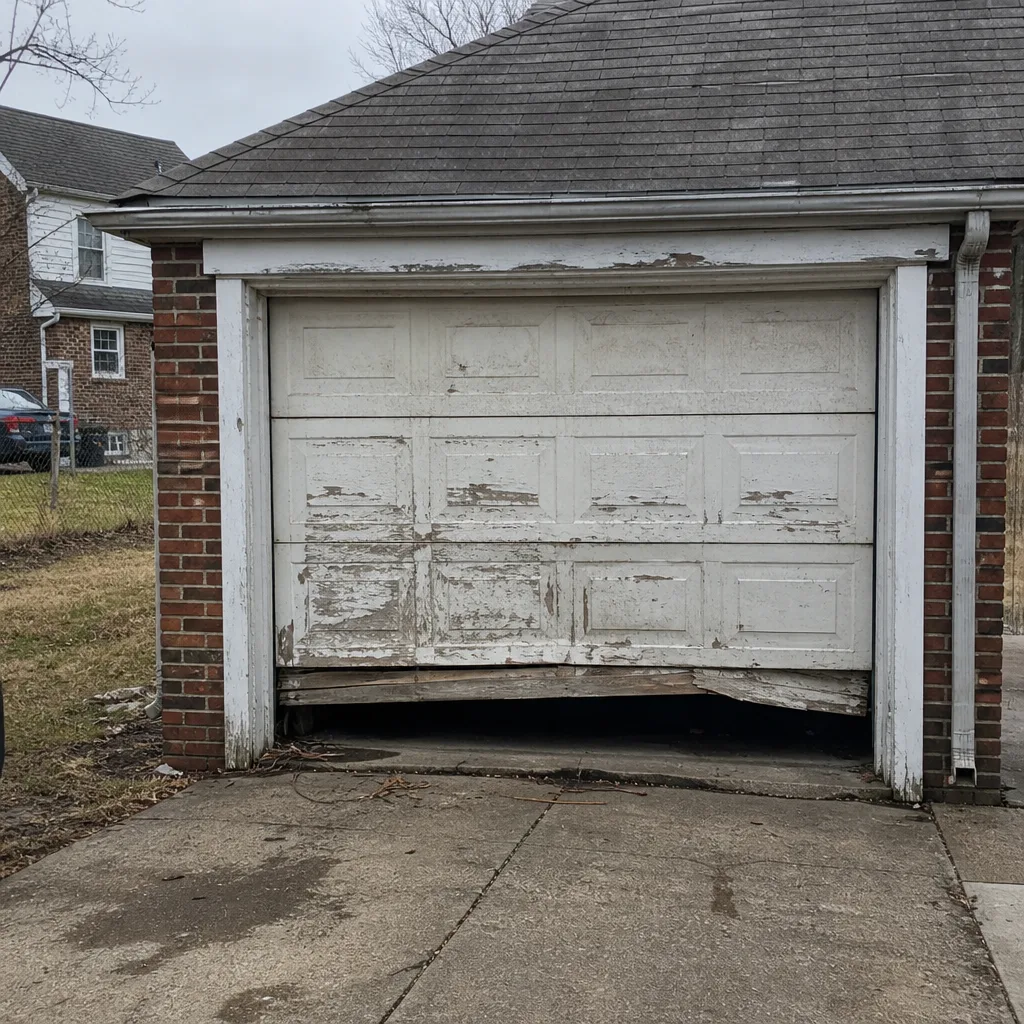 Before
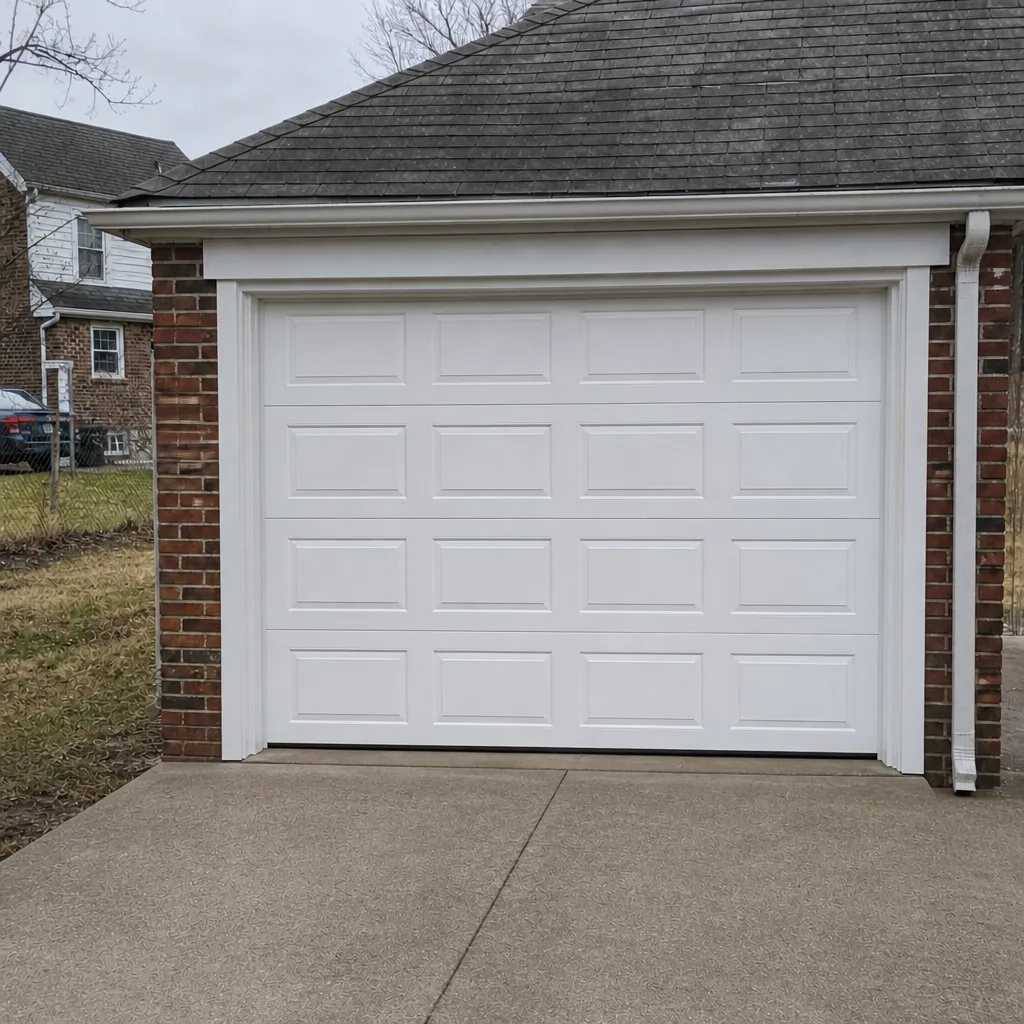 After
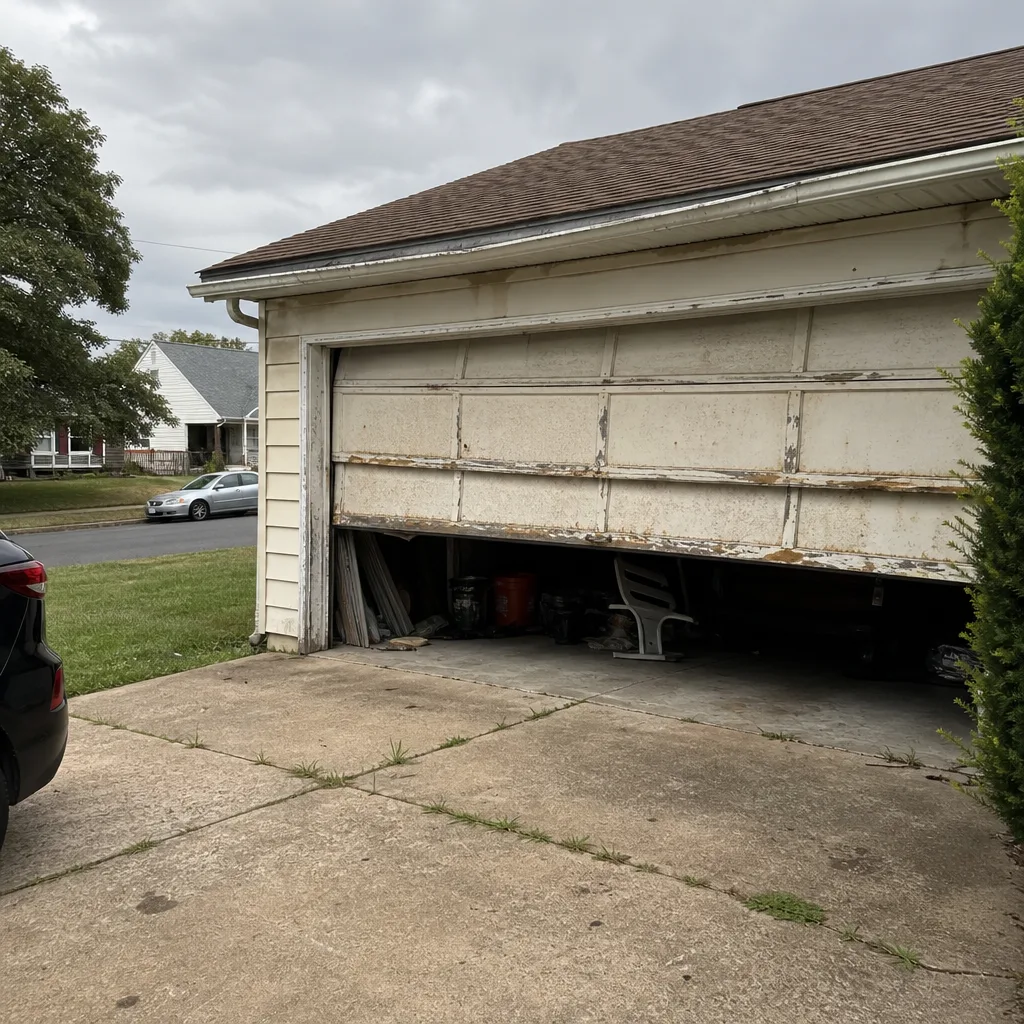 Before
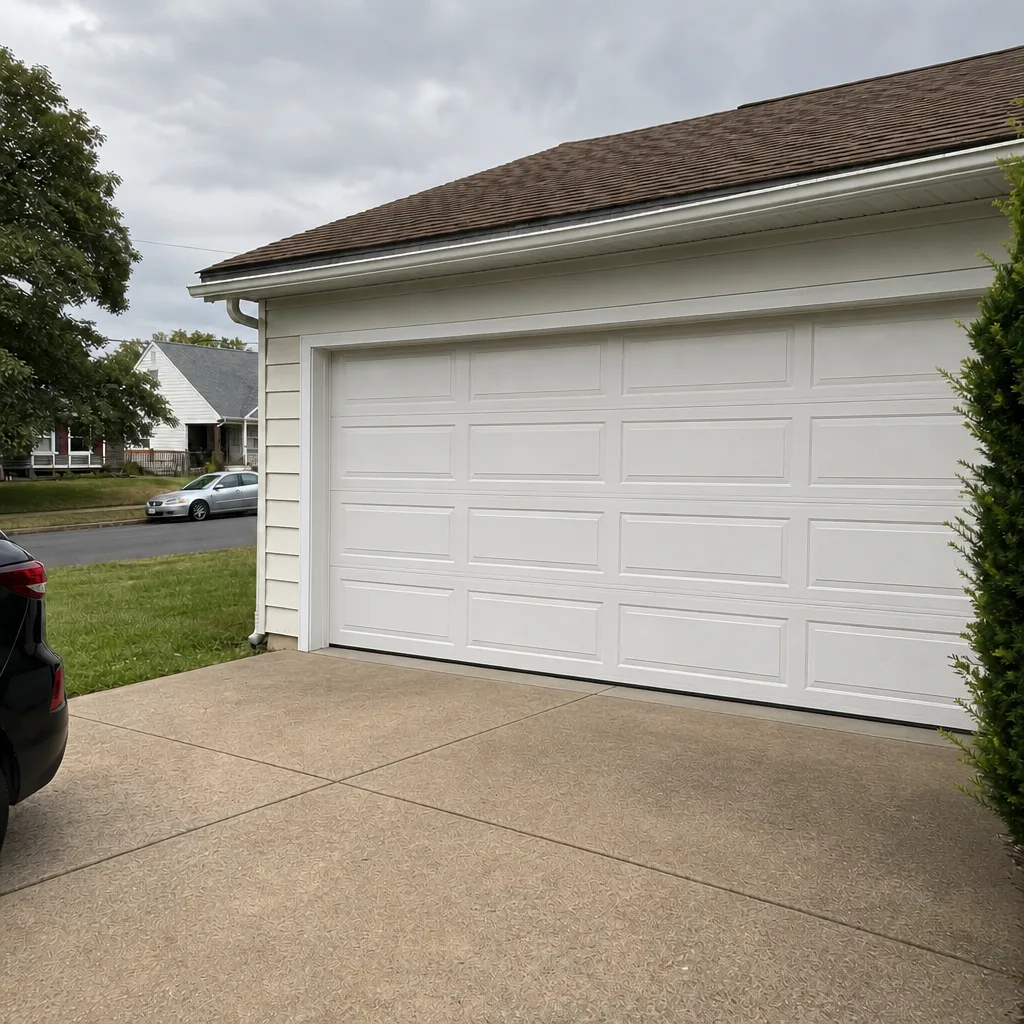 After
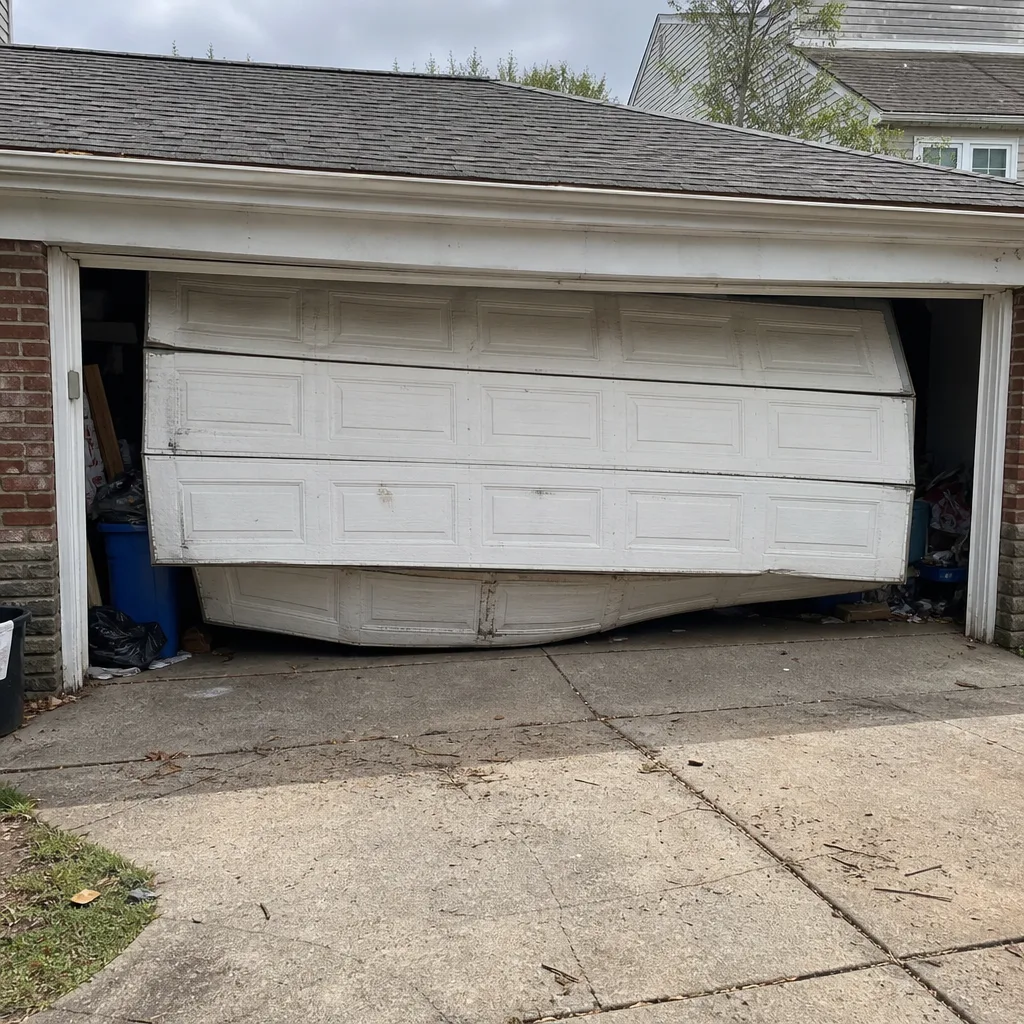 Before
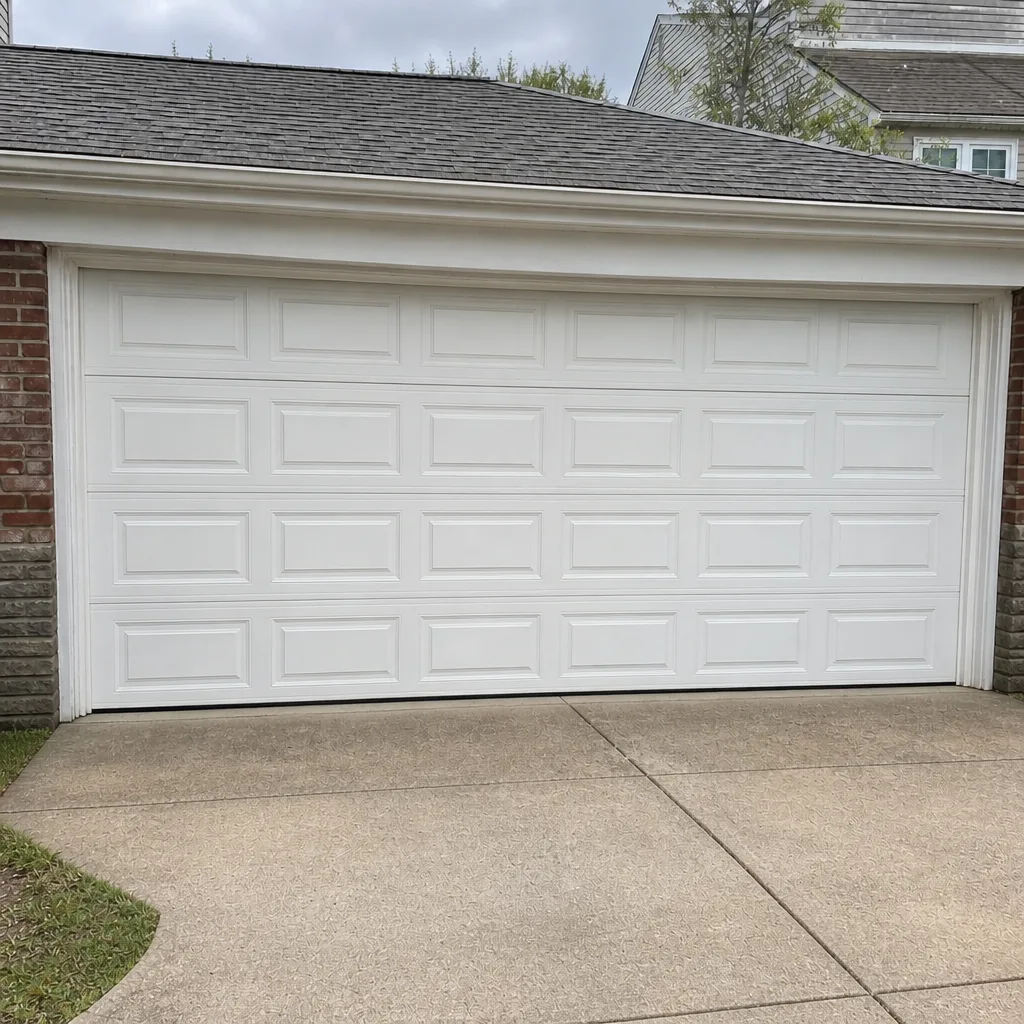 After