Last updated November 21, 2026
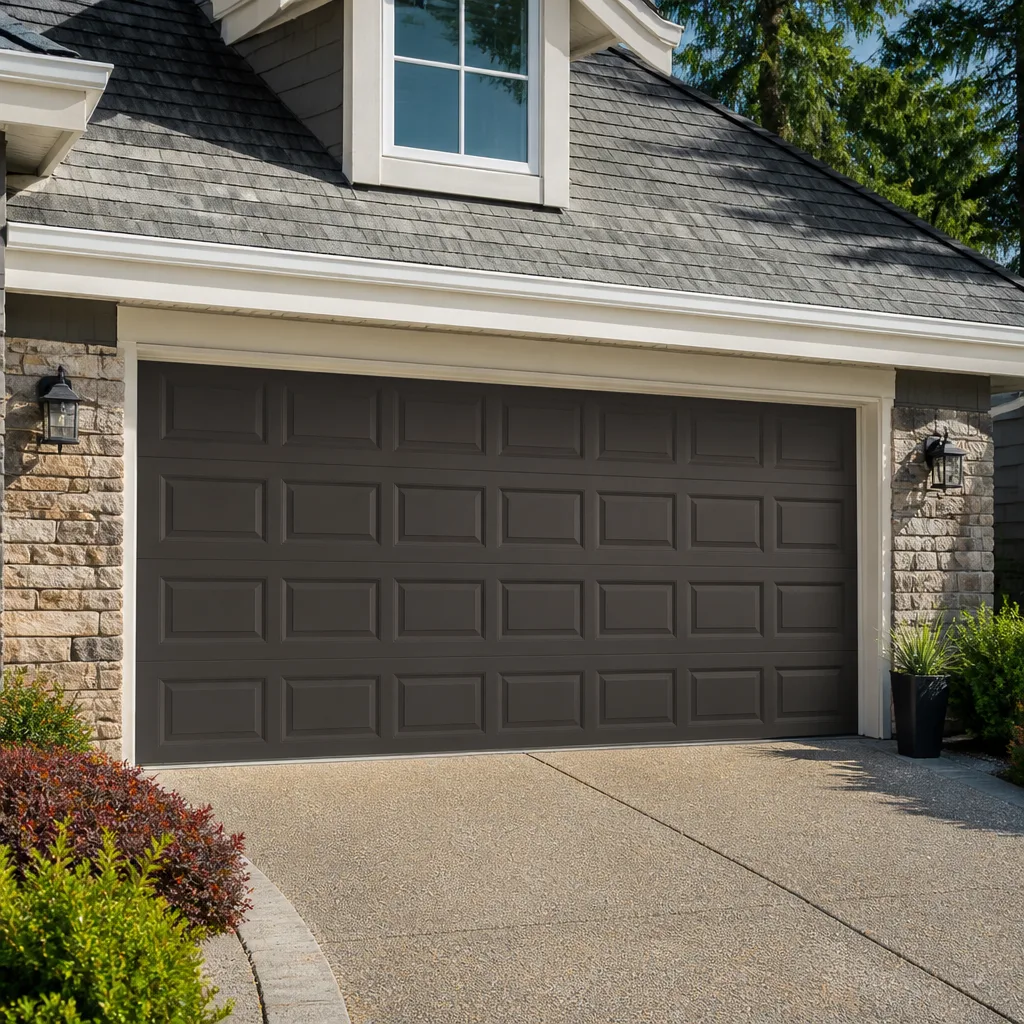 Raised-panel steel
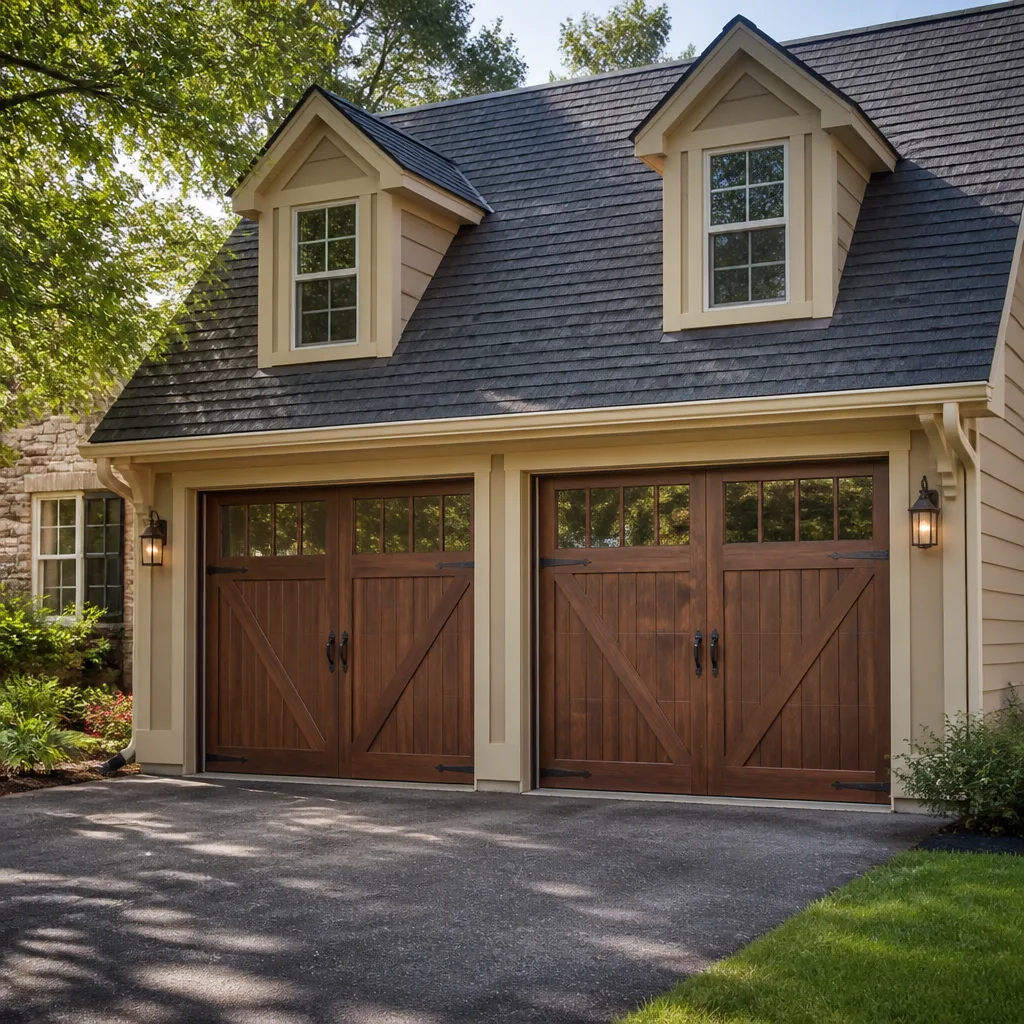 Carriage house
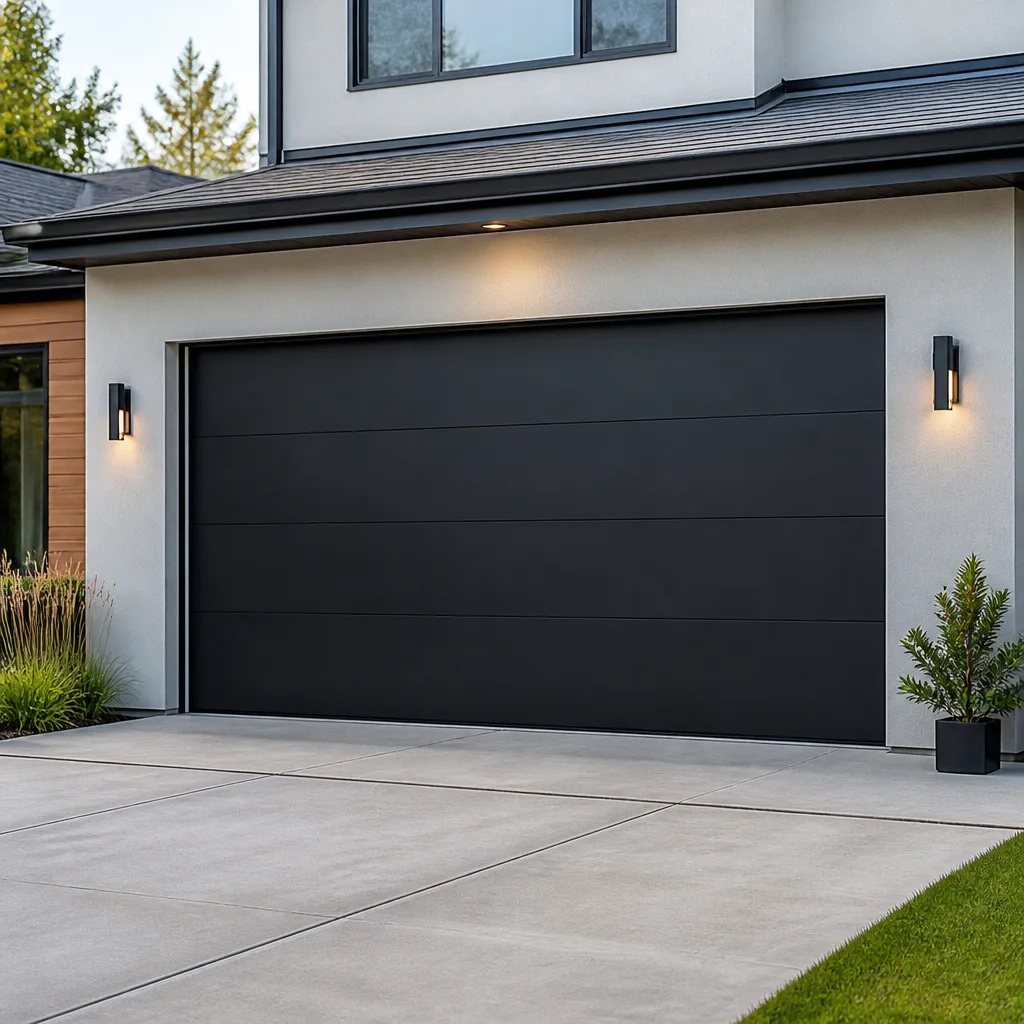 Modern flush
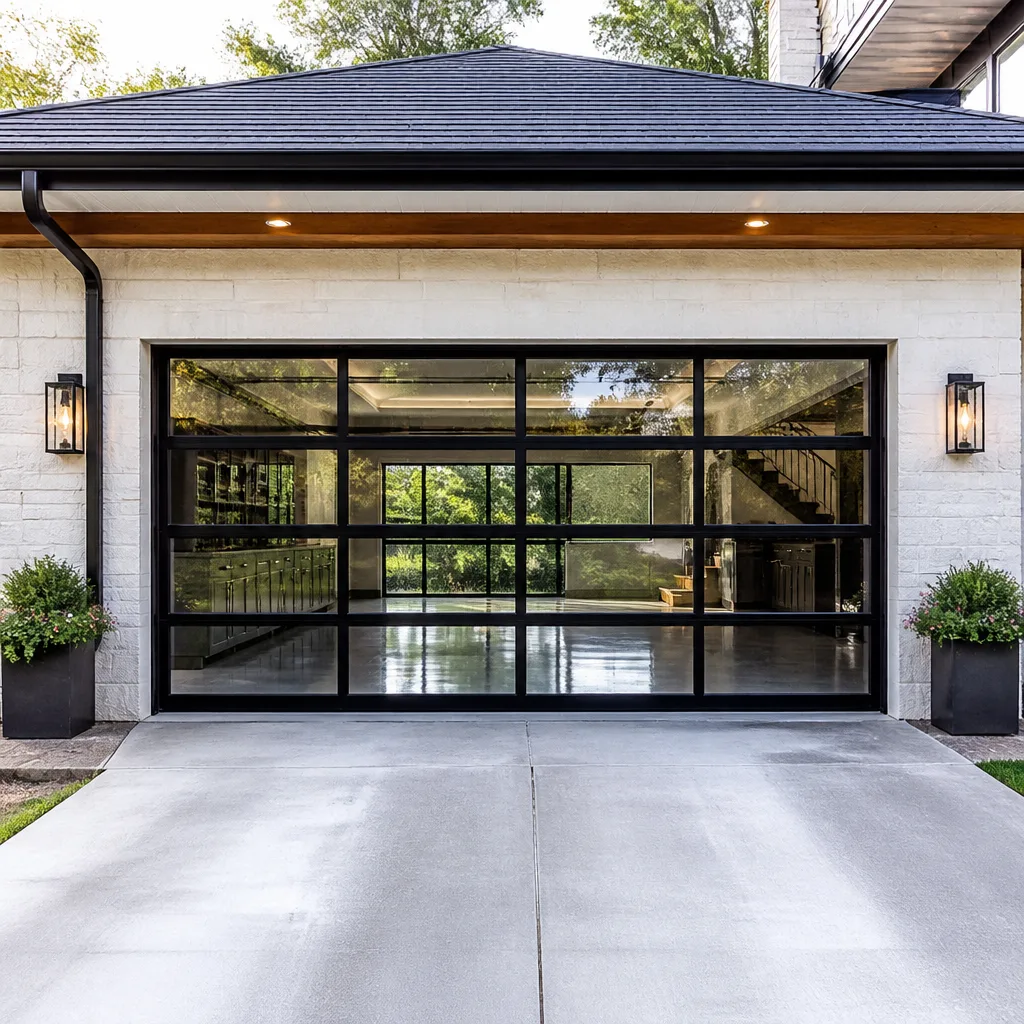 Full-view glass
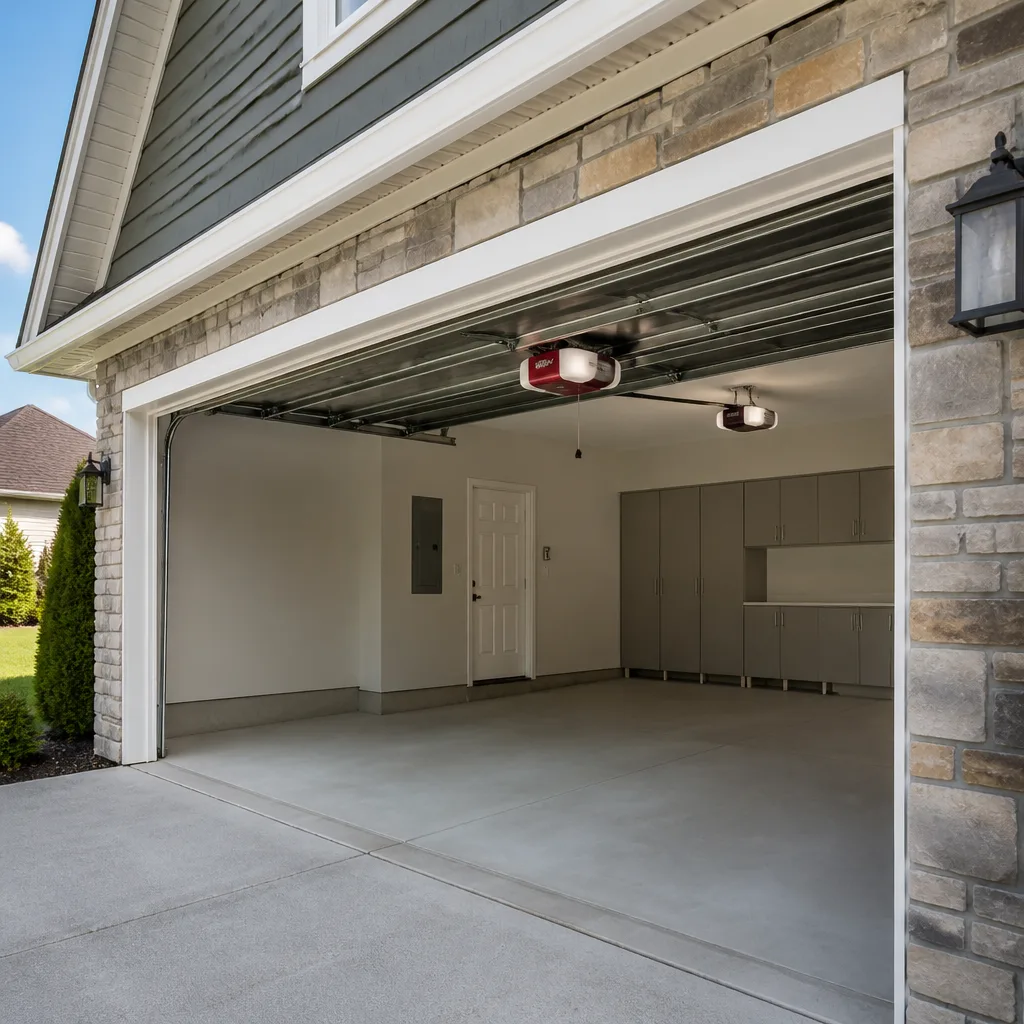 LiftMaster openers
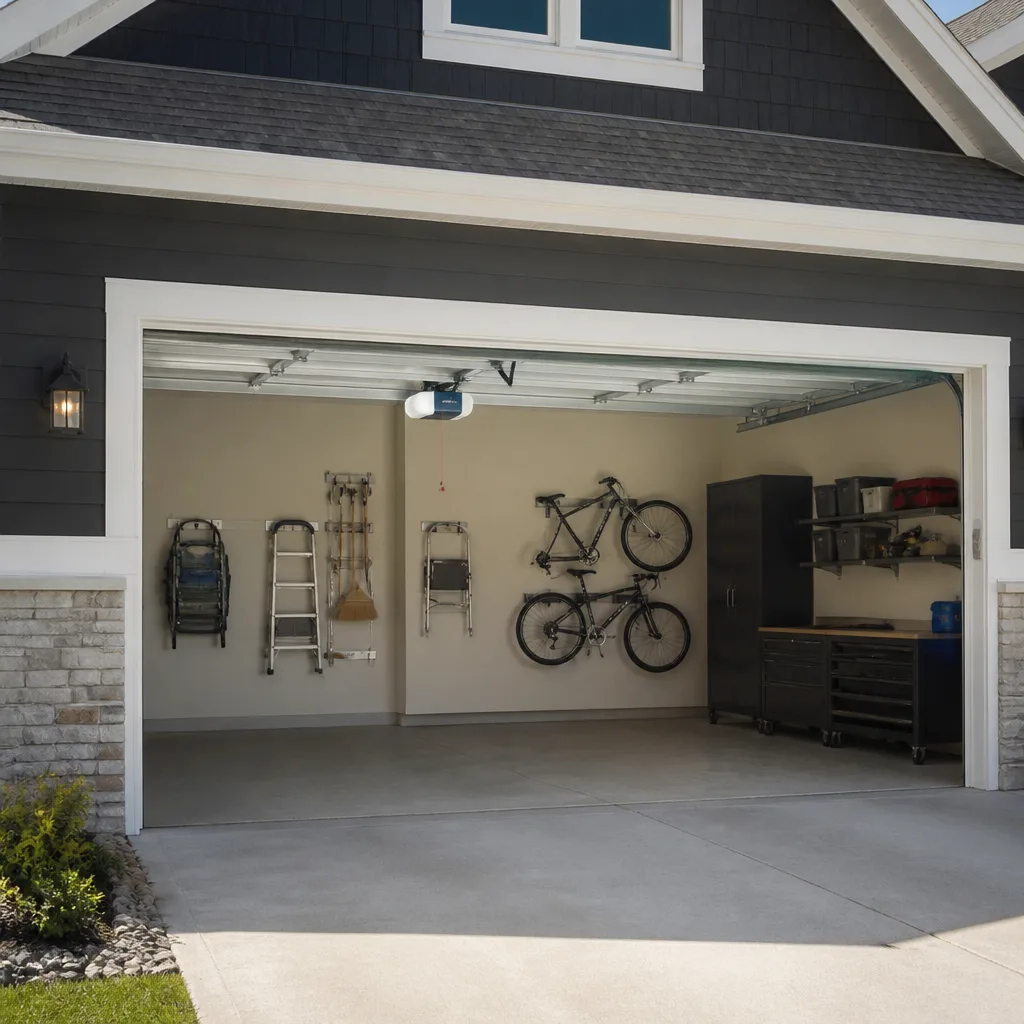 Chamberlain openers
Full 25-point door and opener safety check with every visit - springs, cables, rollers, tracks, and your LiftMaster or Chamberlain opener included
You get a price before we start. It does not change when the pro arrives.
Get your free estimateGarage Door Emergency Preparedness Guide for Northeast Philadelphia Homes
Most homeowners picture a garage door emergency as something loud and sudden: a spring snapping like a gunshot, a door slamming down. In our experience across Northeast Philadelphia, the real emergencies are quieter and slower. A nor’easter knocks out power on a Sunday night, and nobody knows where the manual release cord is. The January thaw freezes the bottom weather seal to the slab, and the opener strips its gear trying to break the bond. These are the situations that actually strand people. This guide covers how to handle them, what to keep on hand, and how to decide whether to call for help. It’s written from our experience working on doors and openers throughout Northeast Philadelphia.
Quick Answer
A garage door emergency in Northeast Philadelphia is usually a power outage, a frozen seal, or a door that won’t close, not a dramatic breakdown. Learn where your emergency release cord hangs, keep a small kit in the garage, and never force a door with a broken spring. Call a technician the same day for broken springs, off-track doors, or doors that won’t close and leave the house exposed.
Styles & brands we work with
- Raised-panel steel
- Carriage house
- Modern flush
- Full-view glass
- LiftMaster openers
- Chamberlain openers
Table of Contents
- What Actually Counts as a Garage Door Emergency
- How to Use the Manual Release on LiftMaster, Chamberlain, and Genie Openers
- Operating a Door with a Broken Spring: When It’s Safe and When It Isn’t
- Triaging Your Call: What’s Same-Day and What Can Wait Until Morning
- Building a Garage Door Emergency Kit
- How to Secure a Door That Won’t Close During a Storm
- Northeast Philadelphia Winter Prep: Ice, Freeze-Thaw, and Frozen Seals
- When to Call a Professional
What Actually Counts as a Garage Door Emergency
A garage door emergency is any failure that leaves the door stuck open to the street, trapped shut with your car inside, or hanging off its track. That’s a practical definition, and it’s more useful than the dramatic one. The number one garage door call a technician gets during a power outage isn’t about a mechanical failure at all. It’s from a homeowner locked out of their own car, because they didn’t know where the release cord was and assumed the door was broken.
In Northeast Philadelphia, the failures we see cluster around the weather. The area gets hard freezes in January and February followed by warm spells, and that freeze-thaw cycle is rough on garage doors. The bottom seal bonds to the concrete, the door’s weight shifts with temperature, and an opener that was fine in October starts straining. When a nor’easter rolls through and takes the power with it, an unpowered door over a car that needs to leave is the most common real emergency of the year.
It helps to sort failures into three buckets:
- Safety failures: a broken spring, a door off its track, a cable that has come loose. These are the genuinely dangerous ones. Stop using the door and call us.
- Security failures: a door that won’t close all the way, a panel pushed in by impact, or a door stuck open. These leave your home exposed and need same-day attention.
- Inconvenience failures: a dead opener motor, a remote that quit, a door stuck with nothing pressing inside. These can wait until morning without risk.
Sorting your situation into one of those buckets is the first move. The rest of this guide works through each one in detail.
How to Use the Manual Release on LiftMaster, Chamberlain, and Genie Openers
The manual release is the single most important thing to learn before you need it. Every residential opener has one. It lets you disengage the door from the opener motor so you can lift it by hand. The catch is that the release works differently depending on the brand, and most Northeast Philadelphia homes have one of three common systems.
LiftMaster and Chamberlain
LiftMaster and Chamberlain share the same parent company and use nearly identical release designs. Look for a red handle hanging from a cord attached to a trolley on the rail above the door. Pulling it straight down disengages the trolley. Once released, the door is free to move by hand. To re-engage it after the power comes back, close the door and pull the release cord again, or run the opener once to reconnect. If the cord is too short to reach, that’s a setup problem worth fixing now rather than during an outage.
Genie
Genie units often use a different release mechanism. Some models have a release handle on the trolley, while others use a lever on the power head or a slide mechanism. The common thread is the same: the goal is to separate the door arm from the moving carriage. If you have a Genie opener and you’re not sure which style you have, find the owner’s manual or check the trolley for a release lever. If there’s any doubt, don’t force anything. Call us and we’ll walk you through it.
The Step-by-Step
- Turn off the opener at the wall switch before you touch anything. You don’t want the motor starting while your hands are near it.
- Stand to the side of the door, never directly under it. A door that comes down unexpectedly can cause serious injury.
- Grip the door by the bottom section and lift slowly to test its weight. A properly balanced door should lift with moderate effort.
- Pull the release cord straight down (LiftMaster, Chamberlain) or actuate the trolley release (Genie) to disengage the door.
- Lift the door manually and prop it fully open if you need to drive out. A door that feels too heavy to lift by hand means the springs are weak or broken. Stop and call us.
If the door locks itself out during a power failure because the door won’t lift by hand, that’s not a release problem. That’s a spring or balance problem, and it needs a professional.
Operating a Door with a Broken Spring: When It’s Safe and When It Isn’t
A broken spring changes everything. Springs carry the weight of the door, and when one fails, the door can weigh far more than a person can safely lift. Here’s the honest answer: in most cases, operating a door with a broken spring by hand is not safe and shouldn’t be done. The exception is narrow and specific.
When it can be safe
- You have a standard sectional door on torsion springs, both springs are intact, and you’ve confirmed the door lifts with moderate effort.
- The door is on extension springs and one is intact, the door still balances, and you’ve tested the lift slowly and carefully.
- You’re only opening the door enough to get a car out, with another adult watching and nobody under the door.
When it is not safe, no exceptions
- One torsion spring is broken and the other is carrying the full load. The door can drop suddenly.
- The door is visibly crooked or off its track.
- A cable has come loose or is hanging slack.
- You cannot lift the door by hand with reasonable effort. If it won’t move, do not force it.
The dangerous part of a spring repair is the spring itself. Torsion springs are under extreme tension, and extension springs store energy that can release violently if a cable or safety component fails. This is not a DIY task, and we don’t offer step-by-step instructions for it, because the risk is real. What we will say is this: springs are not a DIY job, and we handle them safely. If a spring is broken, call us and we’ll talk through your options on the phone before anyone touches the door.
If you’ve been meaning to get a spring replaced before it fails, that’s a much easier job than an emergency repair. We handle torsion and extension work as a named service, and you can read more about how we approach it on our garage door repair page.
Triaging Your Call: What’s Same-Day and What Can Wait Until Morning
When something goes wrong, your first instinct is to call. Good instinct. But knowing how to describe the problem on the phone makes the difference between a technician arriving prepared and a wasted trip. Here’s how we triage in practice, and you can do the same self-assessment before you dial.
Same-day, call now
- A door stuck open to the street. Security is a real concern in Northeast Philadelphia rowhouse blocks, where a visible open garage invites trouble.
- A door that won’t close and leaves the home exposed, whether from a broken spring, a track issue, or an impact.
- A spring failure with the door in a dangerous position.
- A car trapped inside and you have somewhere critical to be.
- A panel pushed in by impact with structural or track damage.
Can usually wait until morning
- A dead opener motor with the door closed and secured.
- A remote or keypad that stopped working.
- A door that closes with a small gap you can seal temporarily.
- A noisy door that still operates normally.
What to tell us on the phone
- Your address and the opening width of the door if you know it.
- The brand. Tell us if it’s a LiftMaster, Chamberlain, Genie, or Craftsman, because that changes how we diagnose the opener. We work on the brand you already have.
- What the door is doing: won’t move, won’t close, off the track, won’t respond to the opener.
- Whether the door is currently open to the street or closed.
- What you’ve already tried, so we don’t repeat it.
Emergency service is a real offer, not a marketing phrase. When the door won’t move, we do. We’re equipped for same-day emergency calls and we quote the price before any work starts, so there’s no surprise invoice. For anything related to the motor or controls, our garage door opener repair page lays out what we diagnose brand by brand.
Building a Garage Door Emergency Kit
Most non-structural garage door emergencies can be resolved or contained with a handful of inexpensive items. We recommend putting these together in a small bin and keeping it on a shelf near the door. The point isn’t to fix everything yourself. It’s to contain the situation safely until a technician arrives.
- A quality flashlight and fresh batteries. You’ll need this during an outage, and a dead opener means an unlit garage. Headlamps are better than flashlights because they leave your hands free.
- A pair of leather gloves. Sharp metal edges on tracks and hinges are common. Gloves protect your hands when you’re lifting or securing.
- A wood or plastic door wedge or chock. A wedge holds a partially closed door in place temporarily while you assess a problem.
- Adjustable locking pliers. For gripping a stubborn manual release cable or holding a track section steady. Not for adjusting springs.
- Rope and a pair of bungee cords. For securing a door in a closed or partially closed position when you can’t get the opener to cooperate. These handle the vast majority of non-structural emergencies until we arrive.
Those five items cover the power-outage, stuck-motor, and can’t-close scenarios that make up most calls. Keep the kit with a printed note listing the opener brand, the door width and direction of travel, and our number. If you’ve ever had a service call, snap a photo of the opener label and put it in the bin. It saves time on the phone.
How to Secure a Door That Won’t Close During a Storm
A door that won’t close during a storm is one of the most stressful failures a homeowner faces. Wind, rain, and the exposure of an open garage all push you to act fast. The trick is to secure the door without creating a secondary risk.
Temporary measures that hold
- Check for a manual release that’s been tripped. If the trolley has disengaged from the opener arm, re-engage it, then try closing the door by hand.
- Lower the door by hand. If the door will come down, guide it closed slowly and use a wedge or chock against the bottom edge to hold it.
- Secure the bottom edge with rope. Tie rope from the door’s bottom section to a wall anchor or structural point, pulling it snug. This resists wind lift.
- Use locking pliers on the track or the door arm to hold a partially closed door in place while you wait.
- Block the interior opening with a heavy piece of furniture or an object if the door truly won’t close. Your goal is a barrier to wind and weather, not a repair.
What not to do
- Don’t stand directly under a door that’s hanging or off track during a storm.
- Don’t force a door past a jam. That bends panels and tracks and turns a small repair into a bigger one.
- Don’t stand in the garage with an open door facing a strong storm without watching for the door coming down.
Once the door is secured well enough to hold, call us. A door that won’t close is a same-day situation, and we’ll get to it. If the problem is a track that bent from a tree branch or an impact, that’s covered on our main Garage Door Repair Northeast Philadelphia page.
Northeast Philadelphia Winter Prep: Ice, Freeze-Thaw, and Frozen Seals
Northeast Philadelphia winters do a specific kind of damage to garage doors. The cold itself isn’t the problem. The cycle of freeze and thaw is. Water runs off the roof and driveway, pools at the bottom seal, freezes overnight, and bonds the seal to the concrete. When the door tries to open the next morning, the opener burns out a gear or strains a spring trying to peel the door free.
A few things reduce that risk before the first hard freeze:
- Clear snow and ice from the driveway apron in front of the door and from the base of the door itself.
- Check the bottom seal for cracks and replace it if it’s hardened or torn. A pliable seal releases from ice more readily than a brittle one.
- Lubricate the hinges, rollers, and track with a door-rated lubricant, not grease. Grease attracts grit and thickens in cold.
- Keep a bag of snow melt near the base of the door and use it to break any bond before trying to open the door on a cold morning.
- Test the door’s balance in the fall by lifting it halfway by hand with the opener disengaged. A door that won’t hold position needs a spring check before winter.
If a door does freeze shut, don’t run the opener over and over. Break the ice at the base and free the seal by hand first, then try the opener. A door that’s straining at the opener is a spring or motor problem waiting to happen, and the brand matters here too. Raynor and Craftsman doors have different balance points, and a Genie opener responds differently when it’s fighting a frozen seal than a LiftMaster does. Our technicians have up to 8 years of experience diagnosing by brand, not guesswork, which is why we ask you to mention yours when you call.
Common Mistakes to Avoid
- Forcing a door that won’t move. When you push or pull a stuck door, you risk bending the track, snapping a cable, or injuring yourself. If it doesn’t move with moderate effort, stop and call us.
- Standing under a door while operating the release. A door with a broken or weak spring can drop without warning. Always stand to the side, and never let anyone walk under a door that’s hanging.
- Using grease on the track and rollers. Grease collects grit, thickens in the cold, and eventually gums up the mechanism. In a Northeast Philadelphia winter, that turns a smooth door into a stuck one.
- Ignoring a door that closes with a gap. A small gap lets in cold, wind, and moisture, and it can signal an alignment problem that will get worse. Securing the door is the first step, but the gap needs a repair, not a permanent patch.
- Trying to replace a spring without knowing the model. Spring sizes are matched to door weight and height. Getting the wrong one can overload the motor or create an unsafe condition. This is one of the jobs where the brand and model genuinely matter.
- Calling only when the door has already failed. The best time to catch a spring that’s about to go is before it does, which is why a balance test in the fall is worth the five minutes.
- Assuming a dead remote means a dead opener. Battery, pairing, and the wall switch all affect the opener. Rule out the simple causes before you assume the motor is gone.
See the difference
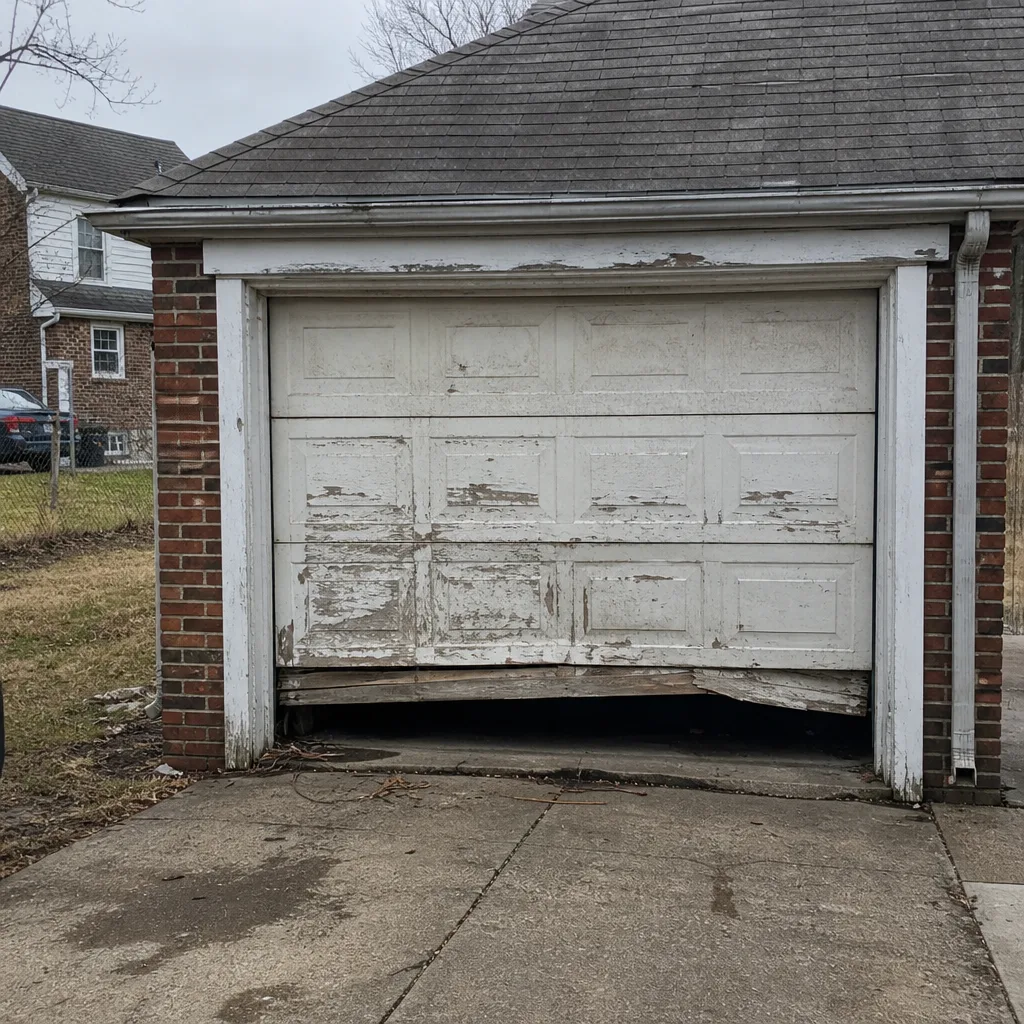 Before
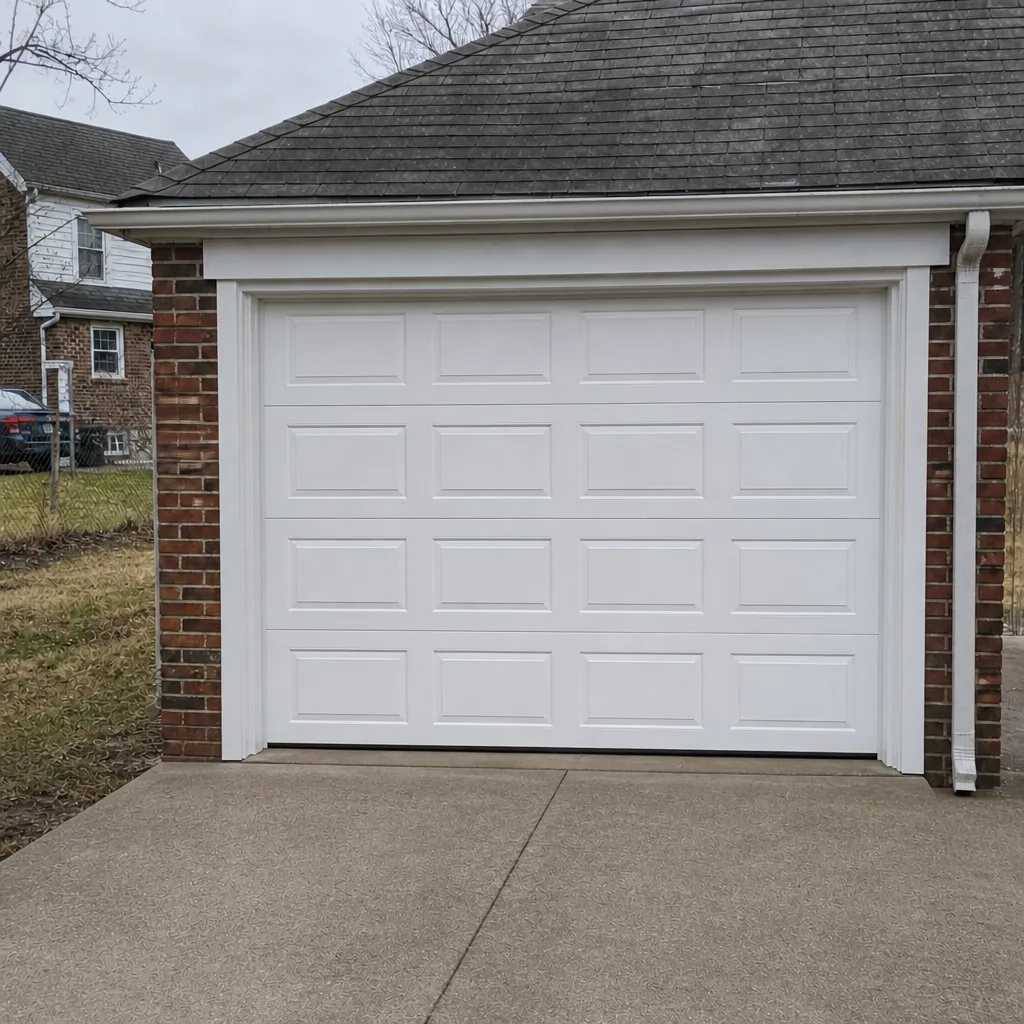 After
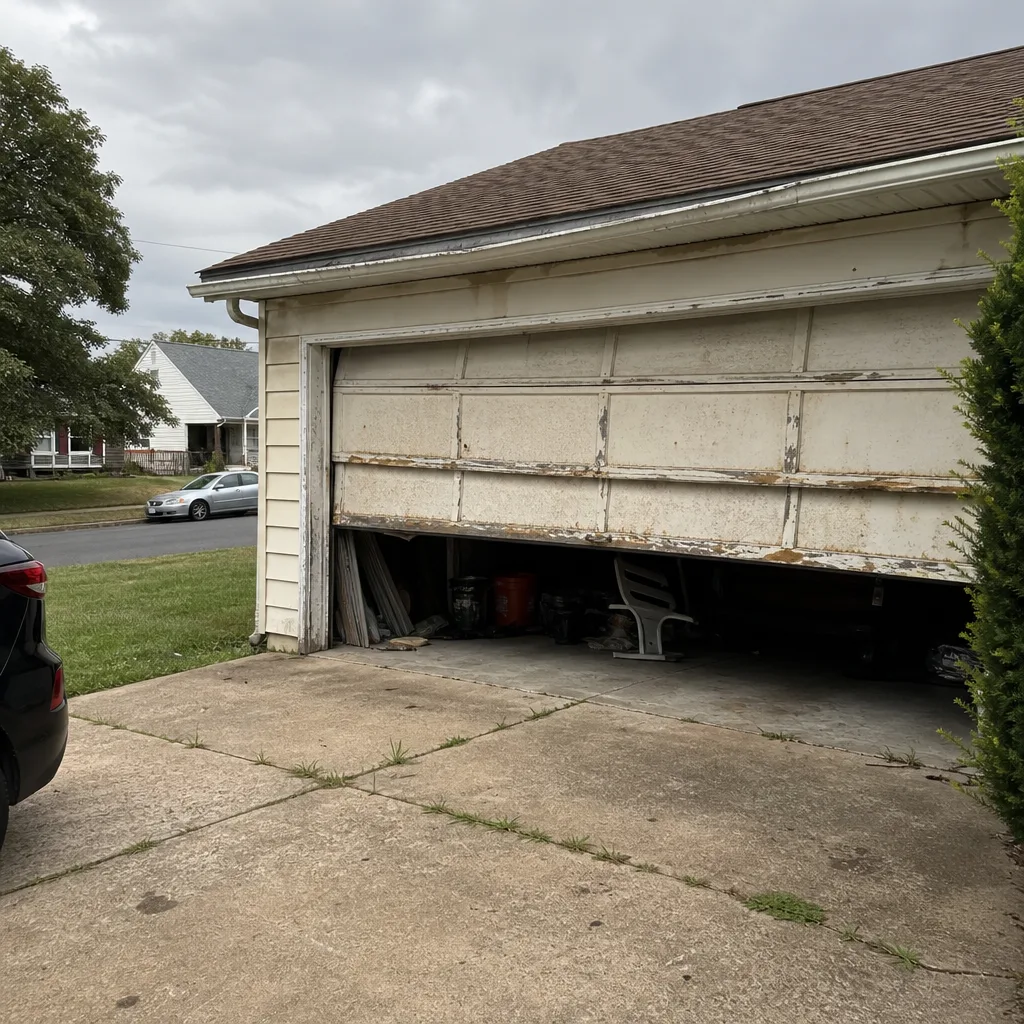 Before
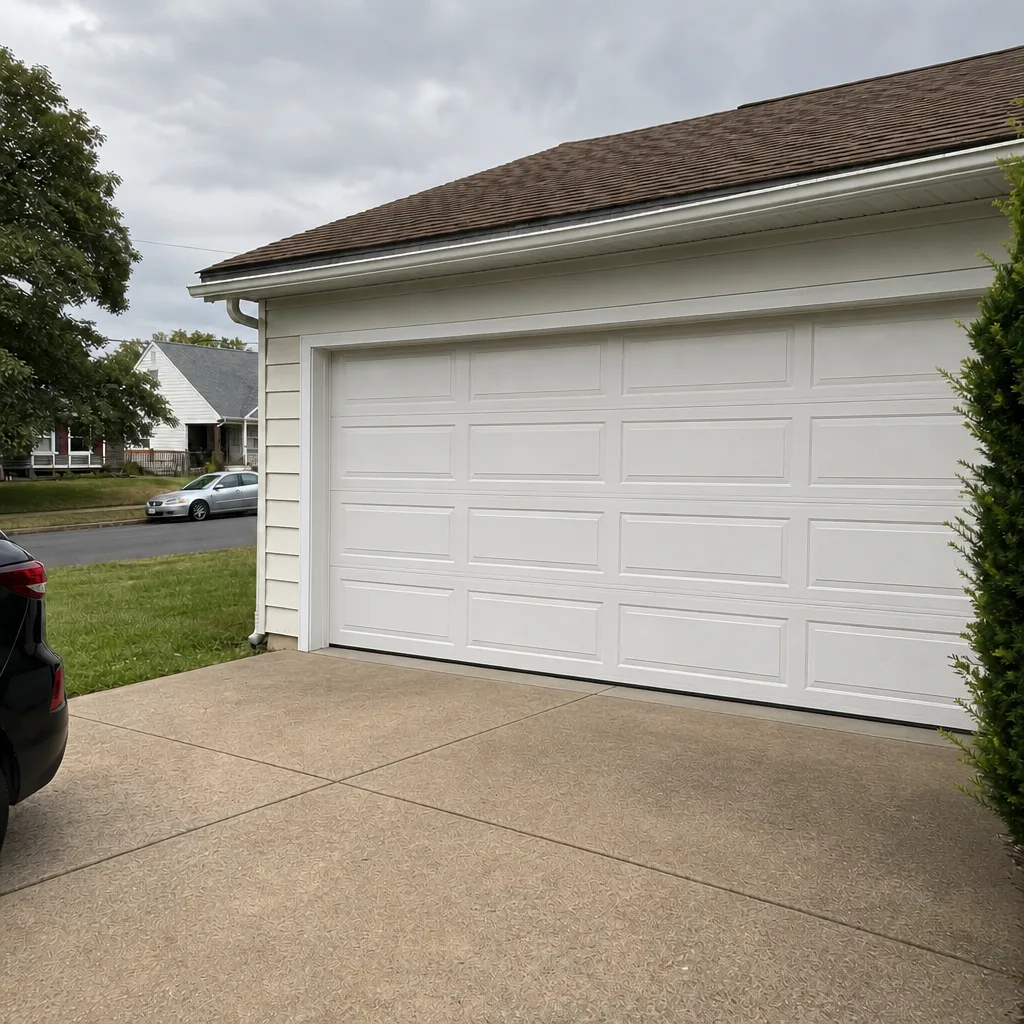 After
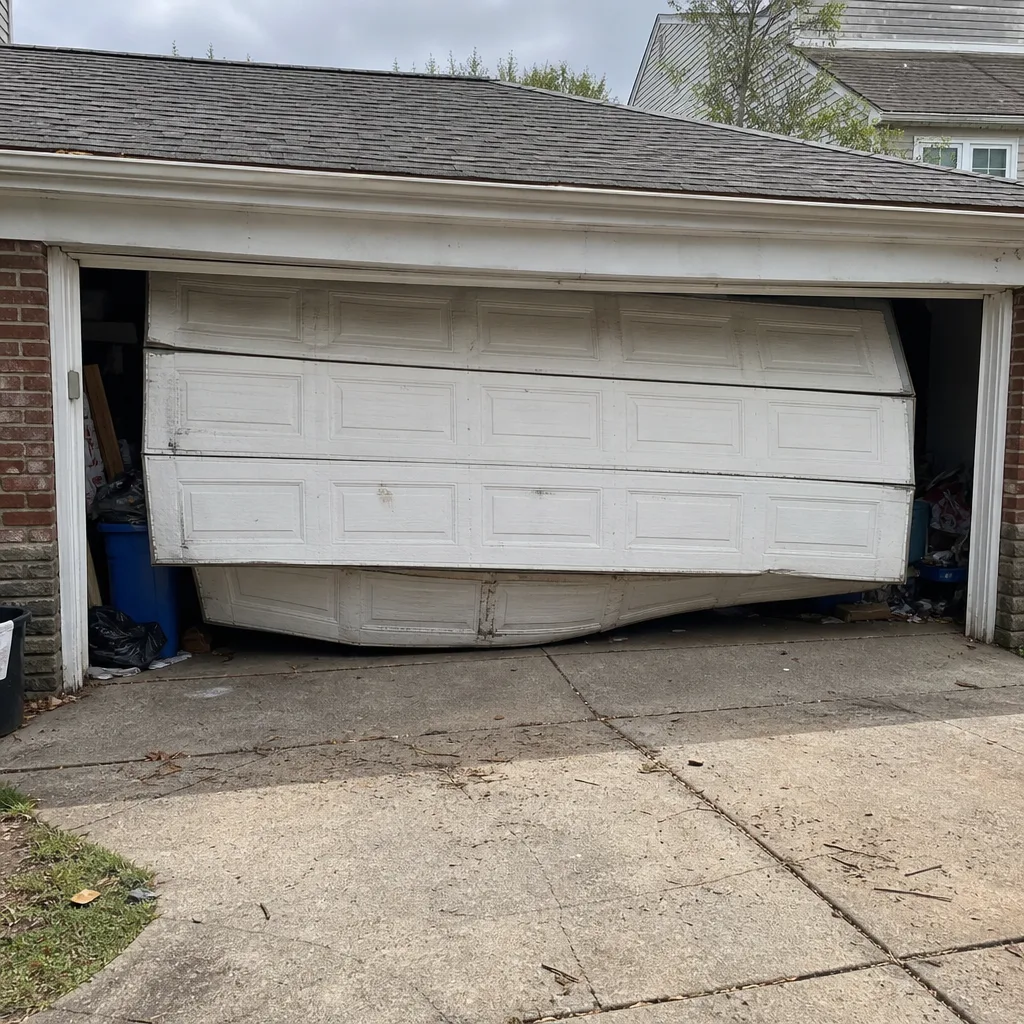 Before
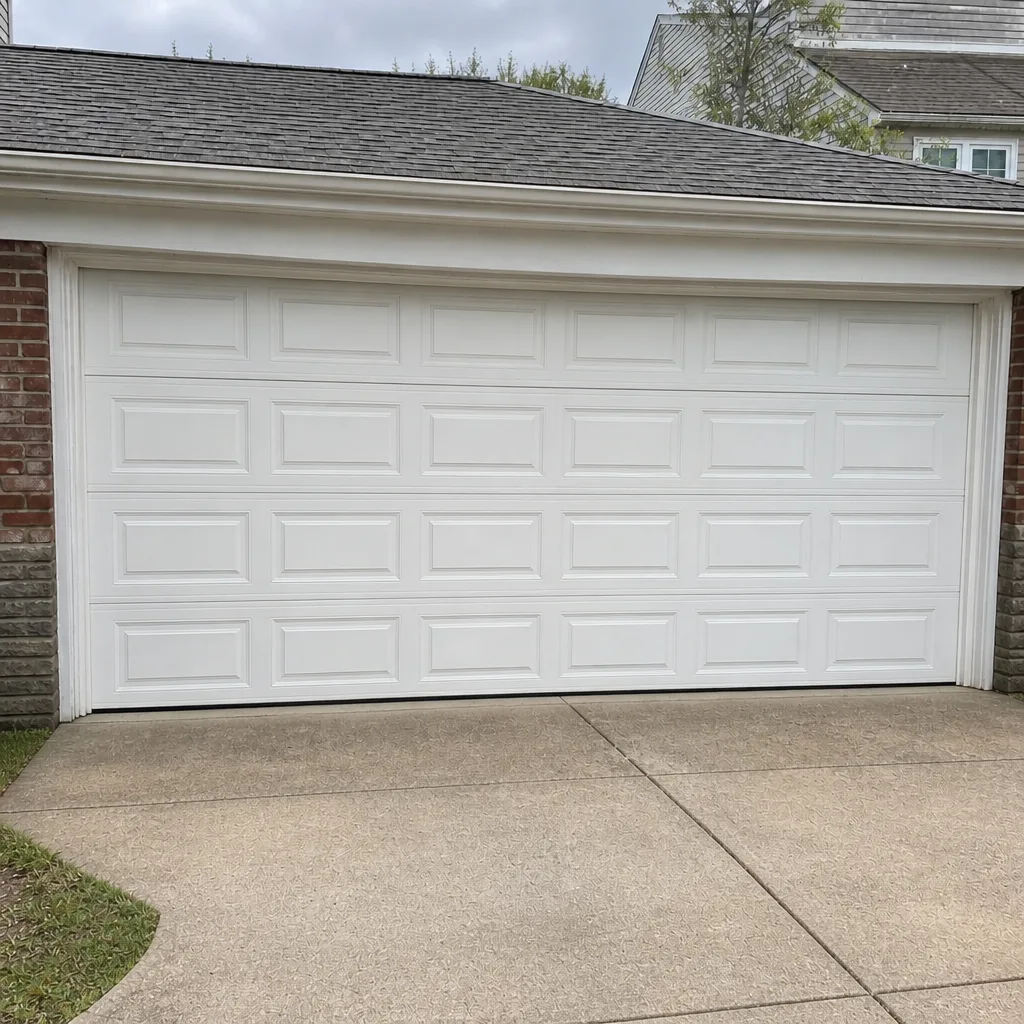 After
When to Call a Professional
Call us the same day for a broken spring, a door off its track, a cable that’s come loose, or a door that won’t close and leaves your home exposed. Those are the situations where a trained technician’s eyes matter most, because the failure can get worse, and the risk to you is real. If the door is stuck shut with your car inside and you need to be somewhere, that’s also a same-day call. On the other side, a dead opener, a noisy door, or a door that closes with a small gap can usually wait until morning, and that’s worth saying on the phone so we can plan the visit properly. Garage Door Repair Northeast Philadelphia offers free estimates in Northeast Philadelphia. Call (855) 337-1296 and tell us the brand and the symptom, and we’ll take it from there.
Frequently Asked Questions
Spring repair in Northeast Philadelphia typically costs in the range we quote per spring, and a matched pair is usually replaced together, so a pair costs about twice that. The written estimate sets the final price before any work starts, so you’ll know the total up front. Call (855) 337-1296 for an exact quote. Estimates are free.
Yes, a door that won’t close is a same-day situation, and we handle emergency calls for exactly that. Call us and describe what the door is doing and which brand the opener is, and we’ll confirm timing right away. Have your address and door width ready.
No. The price is quoted and agreed before any work starts, and that written estimate is the price. If we find a related issue, we’ll tell you and get your approval before doing anything beyond the quote. There’s no surprise invoice at the end.
It hangs from the trolley on the rail above the door, usually with a red handle. LiftMaster and Chamberlain release systems are nearly identical: pull straight down. Genie units vary, so check the trolley for a lever or slide. If you’re not sure, call us and we’ll walk you through it.
Usually not. With one torsion spring broken, the other carries the full load and the door can drop suddenly. The only time manual operation is generally safe is when both springs are intact and the door lifts with moderate effort. If it won’t lift by hand, don’t force it.
The local pro we connect you with is licensed and insured as their state requires. Our technicians have up to 8 years of experience, and we work on the brands you already own: LiftMaster, Chamberlain, Genie, Clopay, Amarr, Wayne Dalton, Craftsman, and Raynor. Call (855) 337-1296 to book a free estimate.
Clear ice and snow from the base of the door, check and replace a hardened bottom seal, lubricate hinges and rollers with a door-rated product, and test the door’s balance before the first freeze. A door that won’t hold position needs a spring check before winter, not after it fails.
The Bottom Line
The emergencies that actually strand Northeast Philadelphia homeowners are power outages, frozen seals, and doors that won’t close, not dramatic spring failures. Learn where your manual release hangs, keep a small kit with a flashlight, gloves, a wedge, pliers, and rope, and know the difference between a same-day call and a wait-until-morning one. Never force a door with a broken spring, never stand under a door that’s hanging, and never skip the fall balance test before winter. When you’re in doubt, call and describe the symptom and the brand. That’s how you turn a scramble into a plan.
For same-day emergency service, spring repair, opener repair, or a full new-door replacement, Garage Door Repair Northeast Philadelphia is ready. From opener glitch to full replacement, one trade, done right. Call (855) 337-1296 for a free estimate, and we’ll confirm the price before any work starts. You can also see our full line of services on our garage door installation page for planned replacements.
Written by the team at Garage Door Repair Northeast Philadelphia.