Last updated November 21, 2026
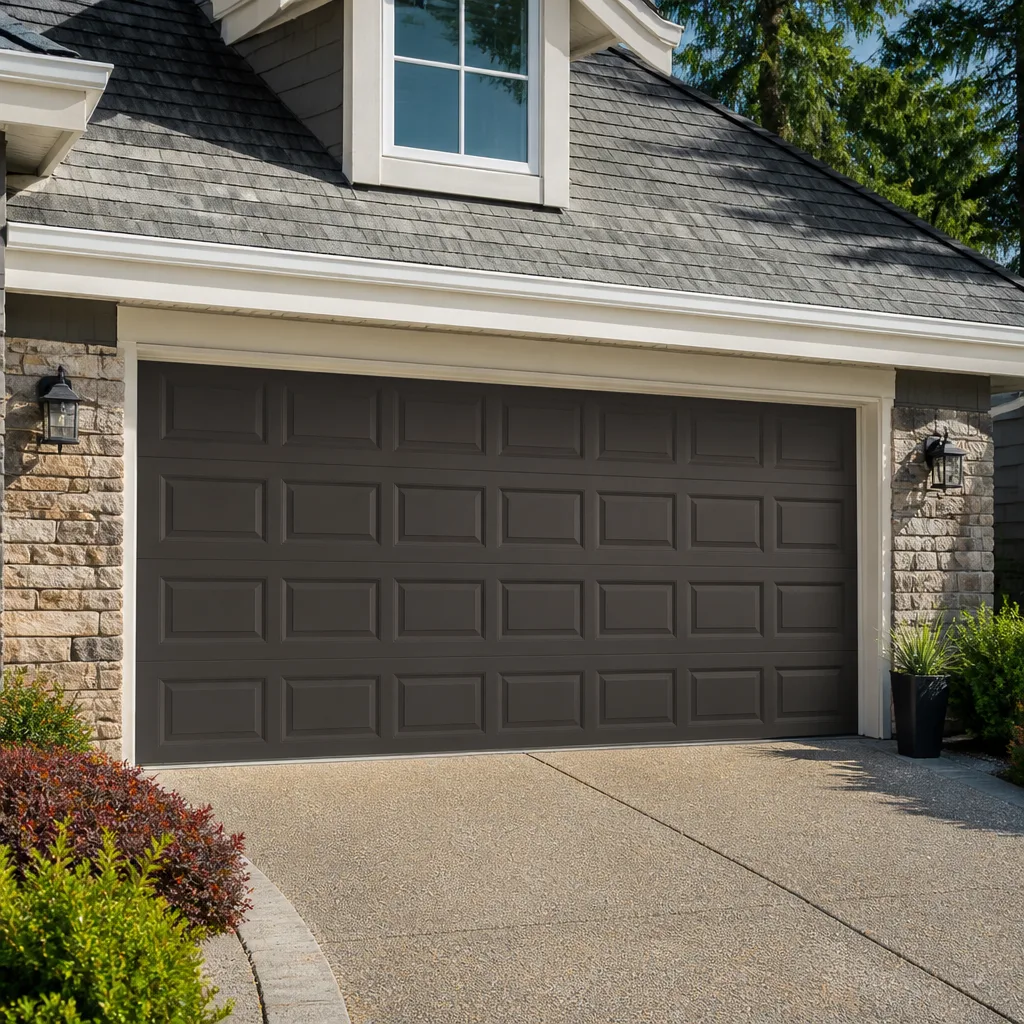 Raised-panel steel
 Carriage house
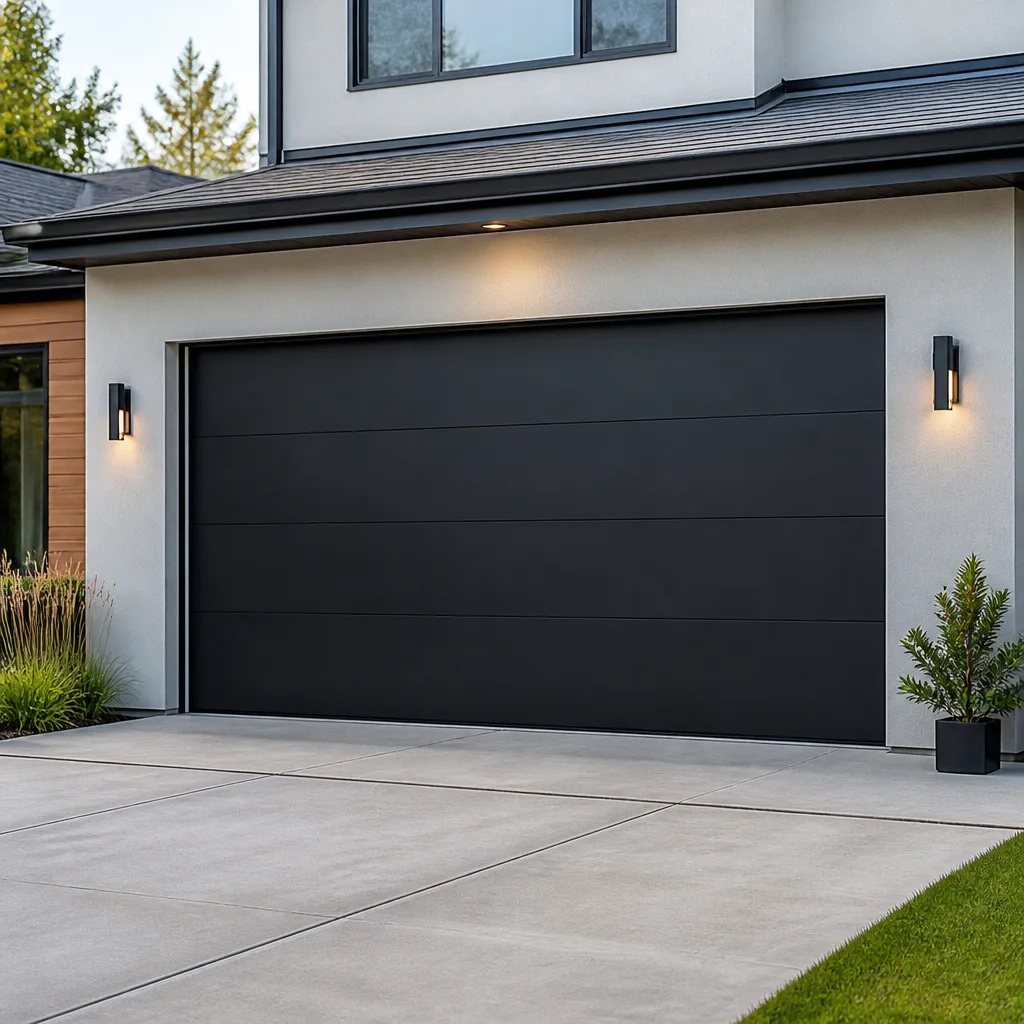 Modern flush
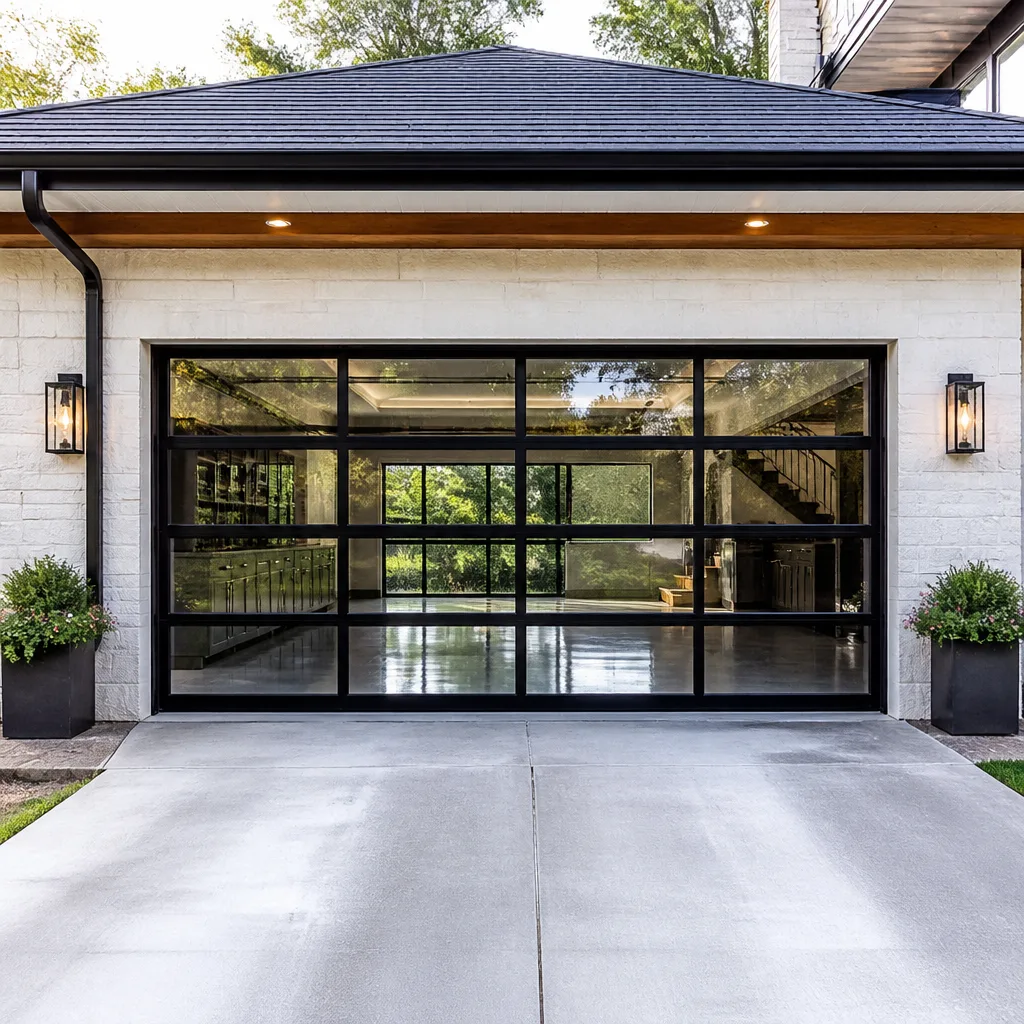 Full-view glass
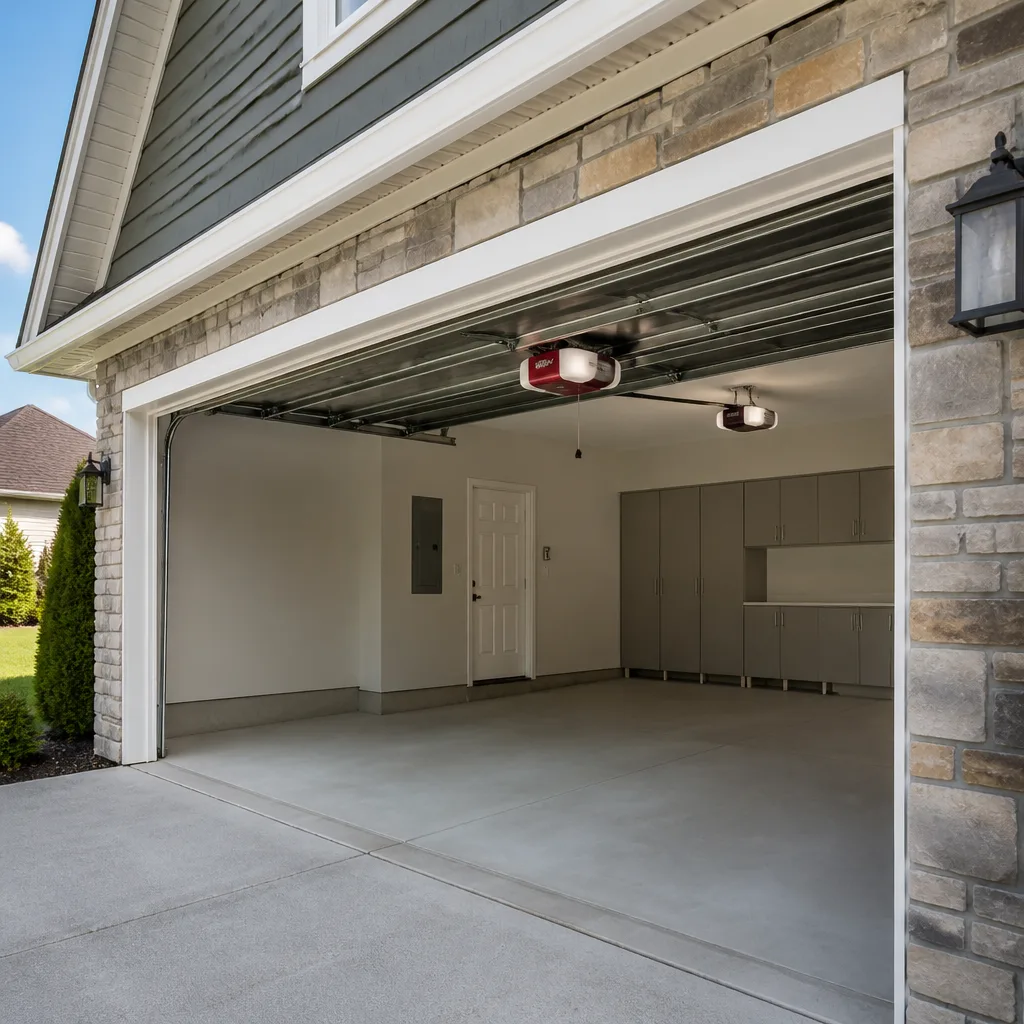 LiftMaster openers
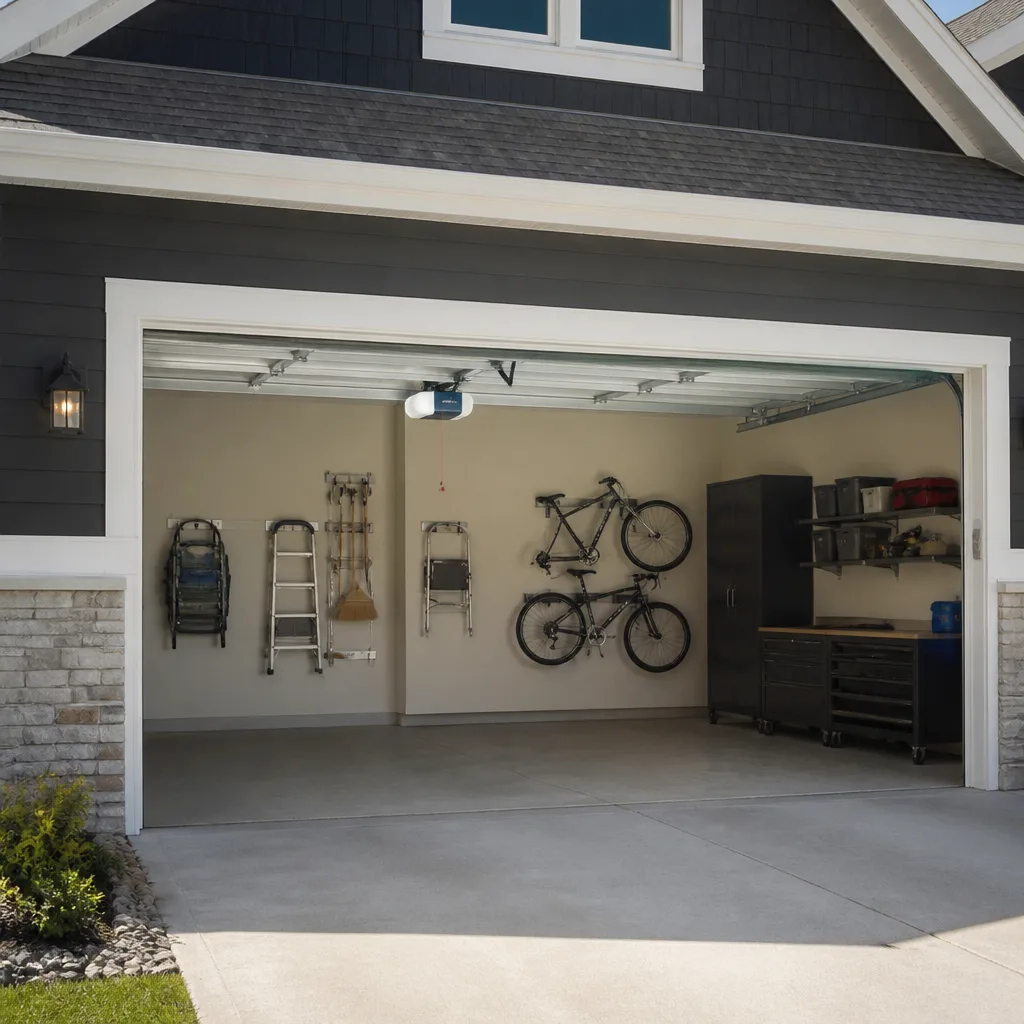 Chamberlain openers
Full 25-point door and opener safety check with every visit - springs, cables, rollers, tracks, and your LiftMaster or Chamberlain opener included
You get a price before we start. It does not change when the pro arrives.
Get your free estimateGarage Door Repair Maintenance Checklist for Northeast Philadelphia Homeowners
Most garage door advice treats maintenance as a once-a-year chore: squirt some oil, tug the door, call it done. That approach misses how a door in Northeast Philadelphia actually wears. Here, a door faces a cold, wet winter, a spring thaw that pushes grit into every moving part, and the road salt that comes home on your car every January. Skip lubrication on a cold morning and a simple noise turns into a snapped spring by February. This guide walks through a part-by-part inspection you can run yourself, tells you which jobs stay in your hands and which ones belong to a technician, and shows you how to time each task to the season so the door lasts.
Quick Answer
A garage door maintenance checklist for Northeast Philadelphia should be run four times a year, with lubrication and a full safety check at each pass, and a heavier inspection before winter and after the spring thaw. Springs, cables and torsion hardware should always be inspected by a trained technician, because they hold extreme tension and injure homeowners every year. Everything else – rollers, tracks, hinges, weather seals and the bottom bracket area – you can check safely yourself using the pass/fail criteria below.
Styles & brands we work with
- Raised-panel steel
- Carriage house
- Modern flush
- Full-view glass
- LiftMaster openers
- Chamberlain openers
Table of Contents
- Why Northeast Philadelphia Doors Need a Seasonal, Not Annual, Checklist
- The Part-by-Part Inspection Sequence
- What You Can Safely Check Yourself vs. What Needs a Technician
- Road Salt, the Bottom Bracket, and Corrosion You Can Slow Down
- Lubrication Schedule by Component and Temperature
- The Monthly Safety Reverse Test
- Documenting Maintenance for Warranty Claims
- Where This Checklist Fits in Northeast Philadelphia Neighborhoods
Why Northeast Philadelphia Doors Need a Seasonal, Not Annual, Checklist
Northeast Philadelphia sits in a climate that swings hard: humid, hot summers with repeated thunderstorms, then cold winters that bring freeze-thaw cycles and a long stretch of mornings below freezing. Each swing stresses a garage door differently. Heat expands the metal tracks and softens grease so it thins and drips. Cold contracts metal and thickens oil so hinges and rollers drag. The freeze-thaw cycle works moisture into seams, and that moisture turns to ice that can jam a roller in its track.
A door that gets one annual service in this climate will spend three months of the year running dry. The result shows up as noise first, then as uneven movement, then as a broken part. A seasonal schedule catches the problem while it’s still cheap.
There’s a second local factor most checklists ignore. Northeast Philadelphia has an older housing stock in many neighborhoods – rowhouses and twins with attached or detached garages that were built decades before modern insulated doors became standard. Those older doors, and the hardware around them, often need a closer eye than a door installed even ten years ago. If you own a Craftsman or a Wayne Dalton door that came with the house, you may not know its service history at all. Treat the first full inspection as a baseline, then build from there. Local conditions like this are why we lean on a seasonal rhythm rather than a fixed anniversary reminder.
The takeaway: time your inspections to the stressors, not the calendar. That means a full pass before winter, another once the thaw ends, and lighter checks in between.
The Part-by-Part Inspection Sequence
Work through the door in a set order so you don’t skip anything. Each item below has a pass/fail test you can apply without special tools. Start with the door closed, disconnect the opener if you can, and keep your hands clear of the springs and cables at all times.
- Springs. Look at the torsion spring above the door or the extension springs along the sides. Pass: no visible gap, no stretched coil, no rust pitting that runs deep. Fail: any visible gap in a torsion spring, a stretched or deformed extension spring, or a loud bang you heard when the door last moved. A spring that has failed is dangerous – don’t run the door. Leave spring assessment to a technician; this is only a visual check to know when to call.
- Cables. Pass: taut, even tension on both sides, no fraying, no kinks. Fail: any frayed strand, a cable that looks slack on one side, or a drum that looks uneven. Cables are under extreme tension. Don’t touch them. Note the problem and stop.
- Rollers. Open the door partway and look at each roller in its hinge bracket. Pass: rolls smoothly, no flat spots, no cracks in the nylon or steel wheel. Fail: grinding, wobble, or a flat spot. Worn rollers cause the door to jump and wear the track.
- Hinges. Pass: every hinge tight, no rust eating through the metal, no loose screws. Fail: a hinge that shifts when you push it, or a screw that won’t hold. Loose hinges let the door rack out of square.
- Tracks. Run your eyes along each track from top to bottom. Pass: clean, straight, aligned, no dents. Fail: any dent, a bend, or a track that’s pulled away from the door frame. Don’t force a bent track back into place with a hammer; it often makes things worse.
- Weather seals. Pass: the bottom seal flexes against the floor and the perimeter seals touch the door edges. Fail: cracks, gaps at the corners, or a bottom seal that’s torn out. In our winters, a failed bottom seal lets in cold air, water, and salt, and that’s where corrosion starts.
- Bottom bracket and the panel above it. Pass: bracket tight, no rust-through, panel solid. Fail: any play, any corrosion flaking the metal. This is the part that takes the most road salt from your car.
- Balance test. With the opener disconnected, lift the door halfway by hand and let go. Pass: it stays put at the halfway point with little effort. Fail: it drops fast, rises on its own, or feels heavy. Out-of-balance is often the first sign of a spring problem.
Write down any failures as you go. A quick pencil-and-paper list keeps you from losing track, and it becomes your record for the next visit. When something fails that involves the springs, cables or bottom bracket area, stop the checks and treat it as a call-out.
What You Can Safely Check Yourself vs. What Needs a Technician
The line between safe DIY and dangerous DIY on a garage door is clear once you know it. Anything that holds or moves under spring tension is off-limits. Anything that just guides, seals or connects at low tension is fair game.
Safe to check and maintain yourself
- Visual inspection of springs and cables (look, don’t touch)
- Lubrication of hinges, rollers, and the opener rail
- Cleaning the tracks with a damp cloth
- Replacing a worn bottom weather seal
- Running the monthly safety reverse test
- Tightening loose hinge screws that aren’t under tension
- Cleaning and conditioning seals with a silicone-based product
Requires a technician
- Any spring replacement, adjustment, or tension change
- Cable replacement or re-tensioning
- Bent or misaligned track straightening
- Bottom bracket repair or replacement
- Roller replacement when the door is under full spring tension
- Opener force, travel limit, and sensor calibration
- Panel replacement after impact damage
If you’re not sure which side of the line a task falls on, treat it as technician work. The cost of a service call is small next to the risk of a spring letting go. We handle both torsion and extension spring work as a core service, and we’ll tell you plainly when a job is one you could have done yourself and when it absolutely isn’t. If the door has failed completely, a same-day repair call is often the fastest path back to normal. You can read more about our garage door repair work and what we cover.
Road Salt, the Bottom Bracket, and Corrosion You Can Slow Down
Winter road salt rides in on your car and settles on the garage floor, where it stays wet in a puddle under the door. Over a season, that salt water climbs the bottom of the door, the bottom bracket, the lift cables, and the lowest hinges. Steel that would last years starts pitting in months. In Northeast Philadelphia, where every snowstorm brings salt trucks through the neighborhood streets, this is one of the fastest-acting forms of wear on an otherwise healthy door.
You can slow it down with a few changes in habit and product choice. This isn’t a substitute for real repair, but it buys time.
What slows corrosion
- Rinse the floor and door bottom. After each salt event, flush the garage floor with a hose or a bucket of clean water, and wipe down the door’s bottom edge and bracket area with a damp rag.
- Use a silicone-based lubricant, not grease alone. Silicone repels water on hinges and rollers and doesn’t attract grit the way heavy grease does.
- Apply a light protective coat to bare steel. A spray-on protective wax or a silicone film on hinges and the bottom bracket slows rust. Don’t spray the springs or cables – leave those to a technician.
- Keep a floor mat or shallow tray at the door line. A rubber mat where the car parks catches drips before they reach the door hardware. Empty it after snow events.
- Keep the bottom seal in good shape. A torn bottom seal lets water and salt in directly. Replace a cracked seal early in the season.
If you see corrosion flaking the bottom bracket or cable, or a bracket that’s started to rust through, stop and call. Corrosion in those parts is a structural failure, not a cosmetic one. Our technicians have up to 8 years of experience spotting exactly this kind of wear, and we’ll tell you whether a component is fine, needs watching, or needs replacing.
Lubrication Schedule by Component and Temperature
Lubrication is the single maintenance task that keeps a door quiet and moving freely, and it’s also the one most homeowners get wrong – too much, too often, or with the wrong product. The right approach is a schedule by component and temperature, because the same oil that works in July can leave a door sluggish in January.
How often
- Hinges: every three months, and always before the first freeze.
- Rollers (the metal pin, not the wheel): every three months.
- Opener chain or belt (per manufacturer guidance): typically twice a year.
- Springs: a light coat only when a technician services them. Don’t lubricate springs yourself beyond a light spray if instructed.
- Tracks: don’t lubricate. Keep them clean and dry. Grease in a track catches grit and grinds down the rollers.
Which product, and when
Use the product that matches the temperature the door actually operates in.
- Above about 40°F: a standard lithium- or silicone-based garage door lubricant works well on hinges and roller pins.
- Below about 40°F: switch to a low-temperature silicone spray or a synthetic formula that stays fluid in the cold. Heavy grease thickens in the cold and makes the door harder to lift, which puts extra load on the springs.
- Around the freeze-thaw shoulder seasons: a light silicone spray on hinges and seals repels the water that comes with snowmelt and spring rain.
A tube of lithium grease is cheap insurance. We’ve seen many a February service call that started as a cold-morning noise in January and ended as a failed spring, simply because the hardware ran dry through the coldest weeks. Keep a low-temperature spray on the shelf and use it before the first hard freeze, not after the first noise.
The Monthly Safety Reverse Test
The safety reverse is the feature that stops the door and reverses it if something’s in the way. It’s the most important function on the whole door, and how many people test it? Very few. Test it every month. It takes about a minute.
- Open the door fully with the opener, then close it using the wall control.
- As the door closes, wave a broom handle or a piece of wood across the path of the safety sensors near the floor. The door should reverse immediately.
- If it doesn’t reverse, or if the sensor light is off or blinking, adjust or clean the sensors and test again.
- Then test the mechanical reverse: open the door fully, press the wall control to close it, and lay a piece of wood flat in the door’s path. The door should reverse on contact.
If the door fails either test, stop using it until it’s fixed. A door that won’t reverse on a person or a pet is a safety hazard. Sensor alignment and force settings are technician work if they don’t respond to a simple cleaning and alignment check. Our garage door opener repair service covers this exact calibration, and it’s one of the most common reasons we’re called out. If your opener is a LiftMaster, Chamberlain, Genie, or another brand we’re trained on, we can usually sort the calibration in a single visit.
Documenting Maintenance for Warranty Claims
If you ever need to file a warranty claim on a Clopay, Amarr, Raynor, or other major-brand door or opener, the manufacturer will often ask for a record of how the door has been maintained. A loose memory of “we oiled it a few times” won’t hold up. A simple log will.
Here’s what to record and how:
- Date of each inspection. A monthly and seasonal log.
- What you checked and the result. Pass/fail by item, using the sequence above.
- Lubrication dates and product used. Note the product name and temperature range.
- Any service call: date, what was done, and any parts replaced. Keep the paperwork.
- Photographs of the door, springs, and bottom bracket each season. Photos matter more than words when a claim is questioned.
Keep the log in a folder or a note on your phone. A few seconds per check makes a future warranty claim far easier to support. This is also useful when you sell the house – a well-documented door is easier to talk about. If a major-brand component does fail and you’re unsure whether it’s covered, we’re factory-familiar with the brands most Northeast Philadelphia homes have, and we can help you read the warranty and understand what’s likely to be honored.
Where This Checklist Fits in Northeast Philadelphia Neighborhoods
The checklist above works everywhere, but it pays to know which parts of Northeast Philadelphia ask more of your door. The housing here ranges from rowhouses with tight attached garages to detached garages on larger lots, and each setup stresses the door a little differently.
In the more densely built rowhouse neighborhoods, garages are often shallow and the doors see more frequent use – up and down several times a day – so rollers and hinges wear faster. In neighborhoods with more detached and twin garages, doors can sit unused for weeks, and that’s its own problem: seals dry out, tracks collect grit, and a door that’s rarely moved can seize when you finally need it. If yours sits idle, run the open-close cycle at least once a month to keep the hardware moving.
Older homes across the Northeast may have original hardware that’s been repaired piecemeal over the years. A door with a mix of old and new parts needs a careful baseline inspection, because you can’t assume the spring, cables, and opener were all installed together. And if you’re near a heavily salted main road, your door gets a stronger dose of salt than one on a quiet side street, so the corrosion steps above matter more.
If your door is beyond repair, or you’re planning a replacement, our garage door installation work covers full replacements and new-door installs, measured and scheduled to fit your opening and your budget. Installation is planned work, not same-day – we measure first and give you a written price before anything is ordered.
Common Mistakes to Avoid
- Greasing the tracks. Tracks should stay clean and dry. Grease catches grit and turns into a grinding paste that ruins rollers. Wipe the tracks with a damp cloth instead.
- Adjusting springs yourself. Torsion and extension springs hold enormous tension. A slipped spring can break a bone or worse. This is the one task to always leave to a technician.
- Ignoring a cold-morning noise. A grinding or squealing door in January is dry hardware or a worn roller. Catching it early is cheap; ignoring it until something snaps is not.
- Using heavy grease in winter. Standard grease thickens in the cold and makes the door harder to lift, adding load to the springs. Switch to a low-temperature silicone spray for the coldest months.
- Letting salt sit on the bottom bracket and cable. In a Northeast Philadelphia winter, salt water climbs from the floor into the hardware. Rinse the floor and wipe the door bottom after storms.
- Skipping the monthly safety reverse test. It’s a one-minute check that protects your family and pets. Do it monthly and stop using the door if it fails.
- Forcing a bent track back into shape. A hammer often makes a bent track worse and can damage the door. Leave track alignment to a technician.
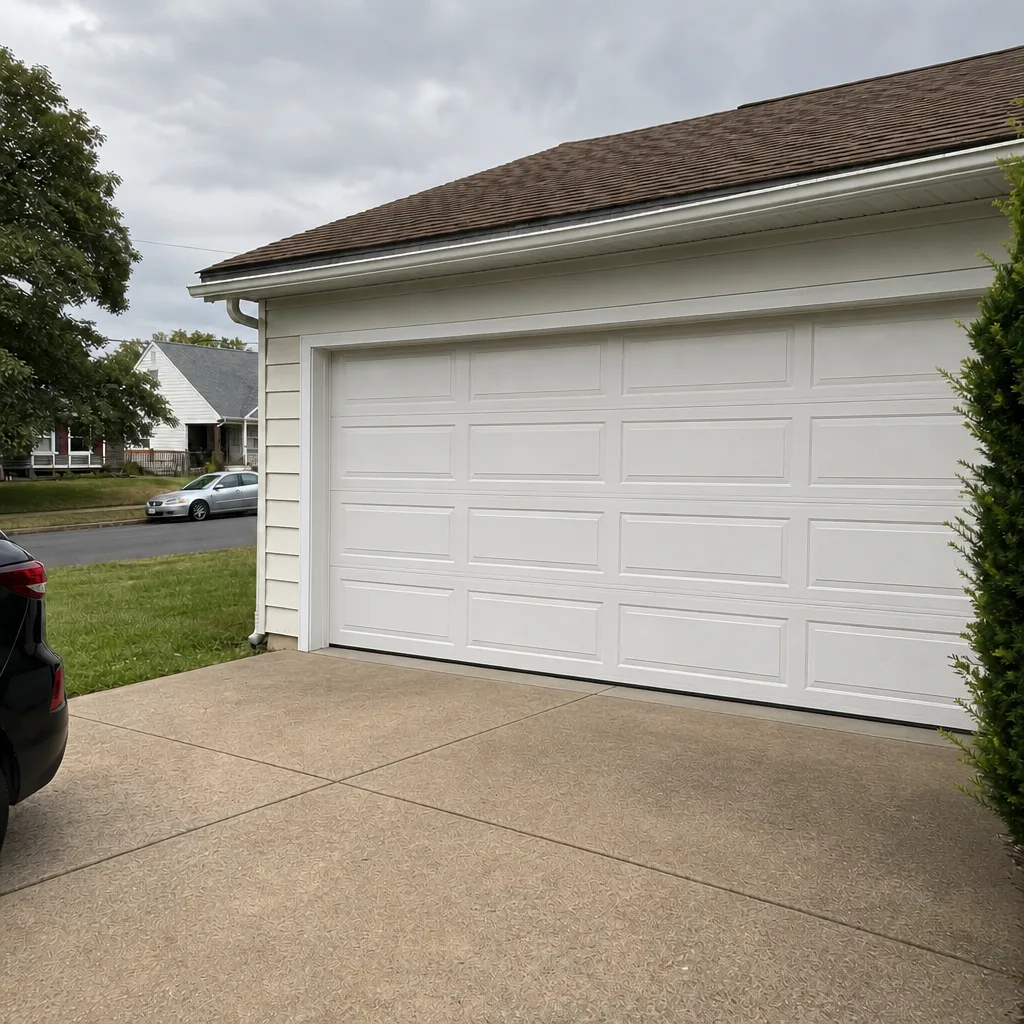
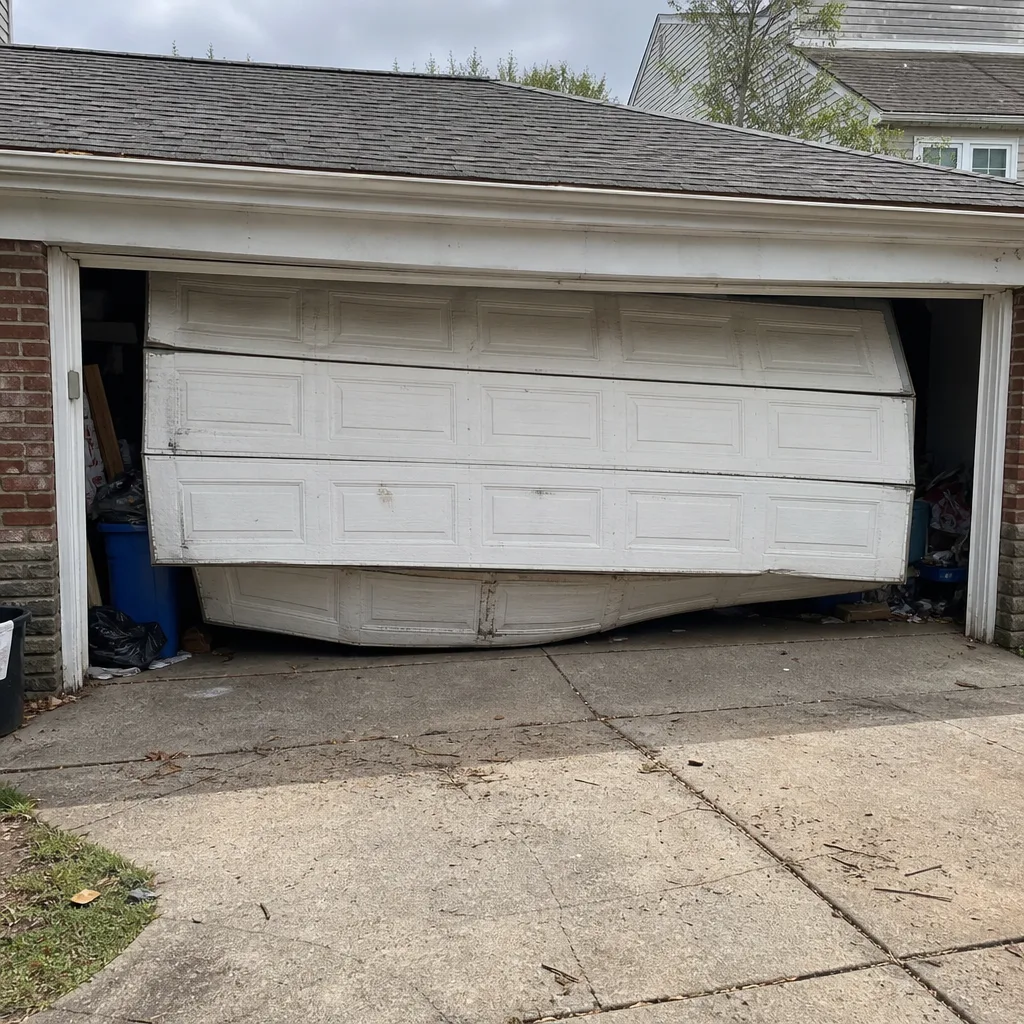
See the difference
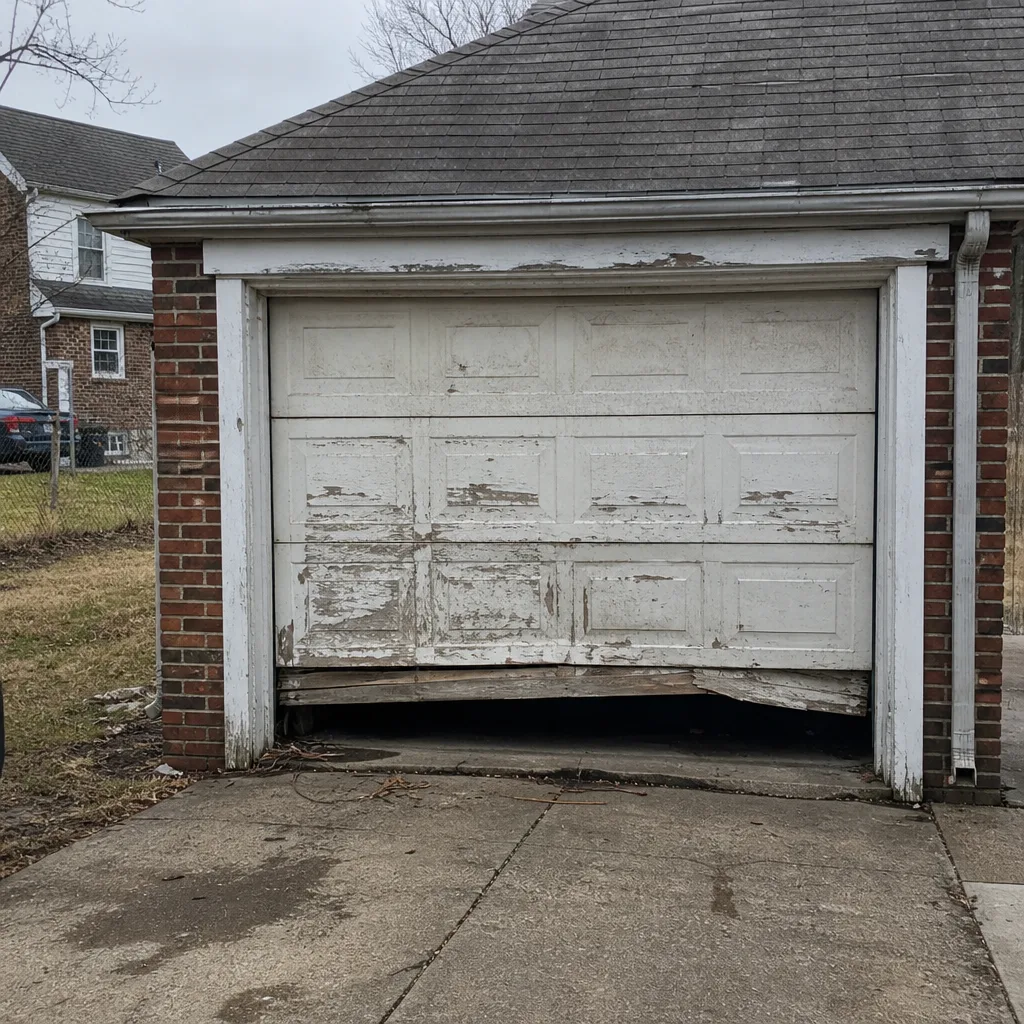 Before
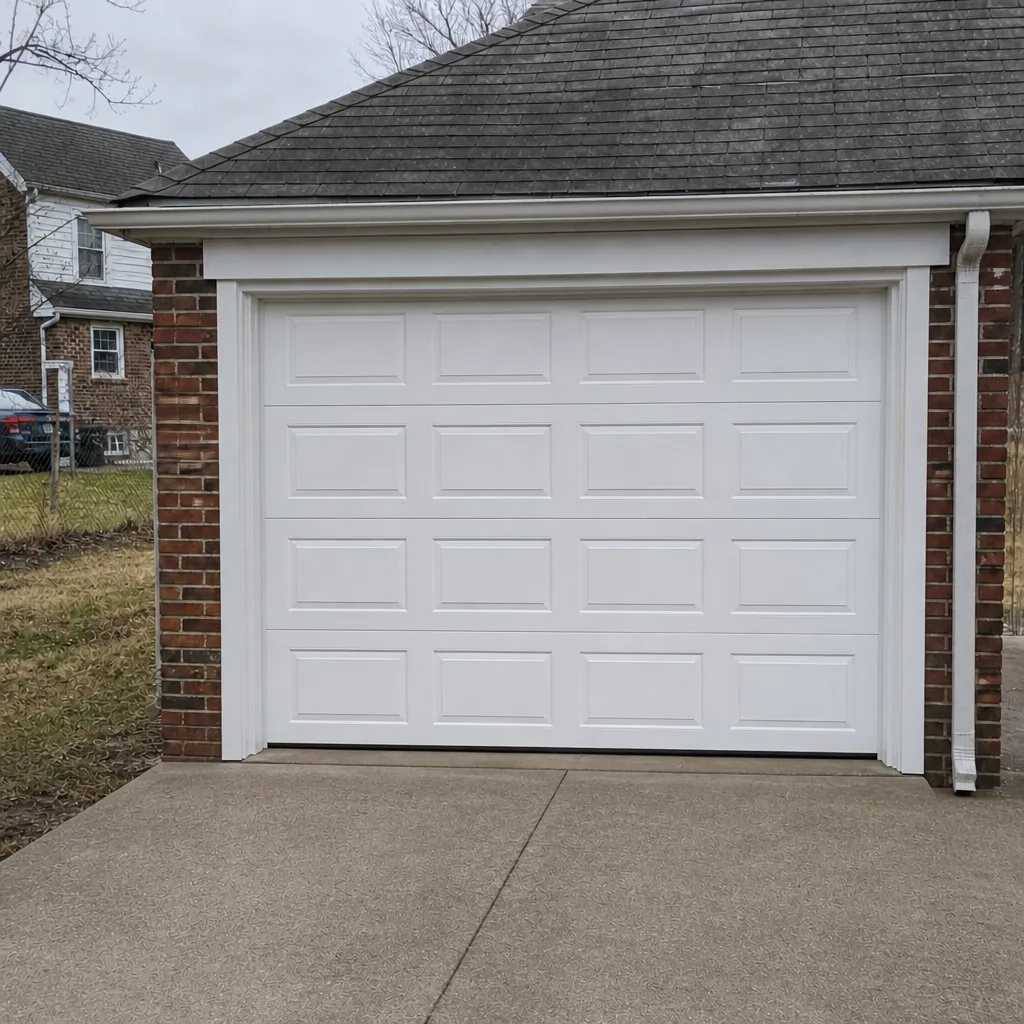 After
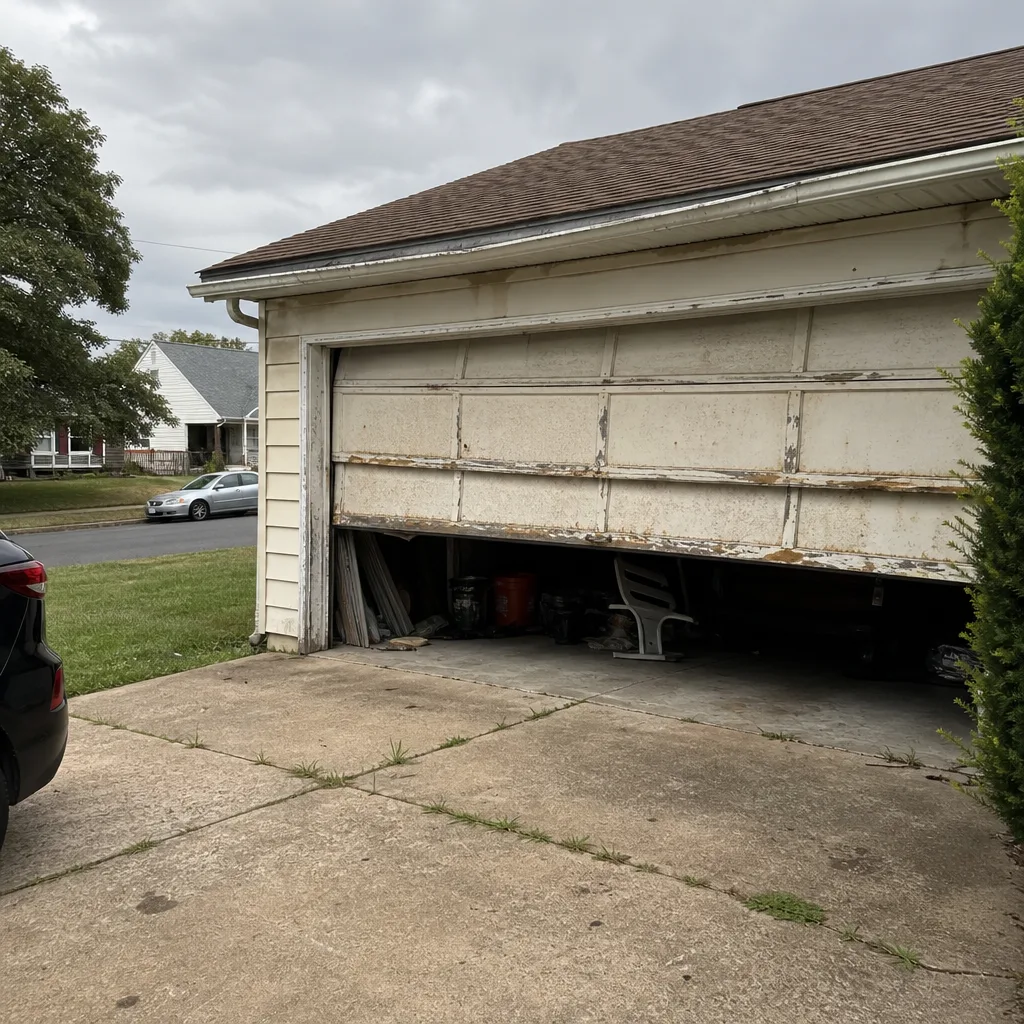 Before
 After
 Before
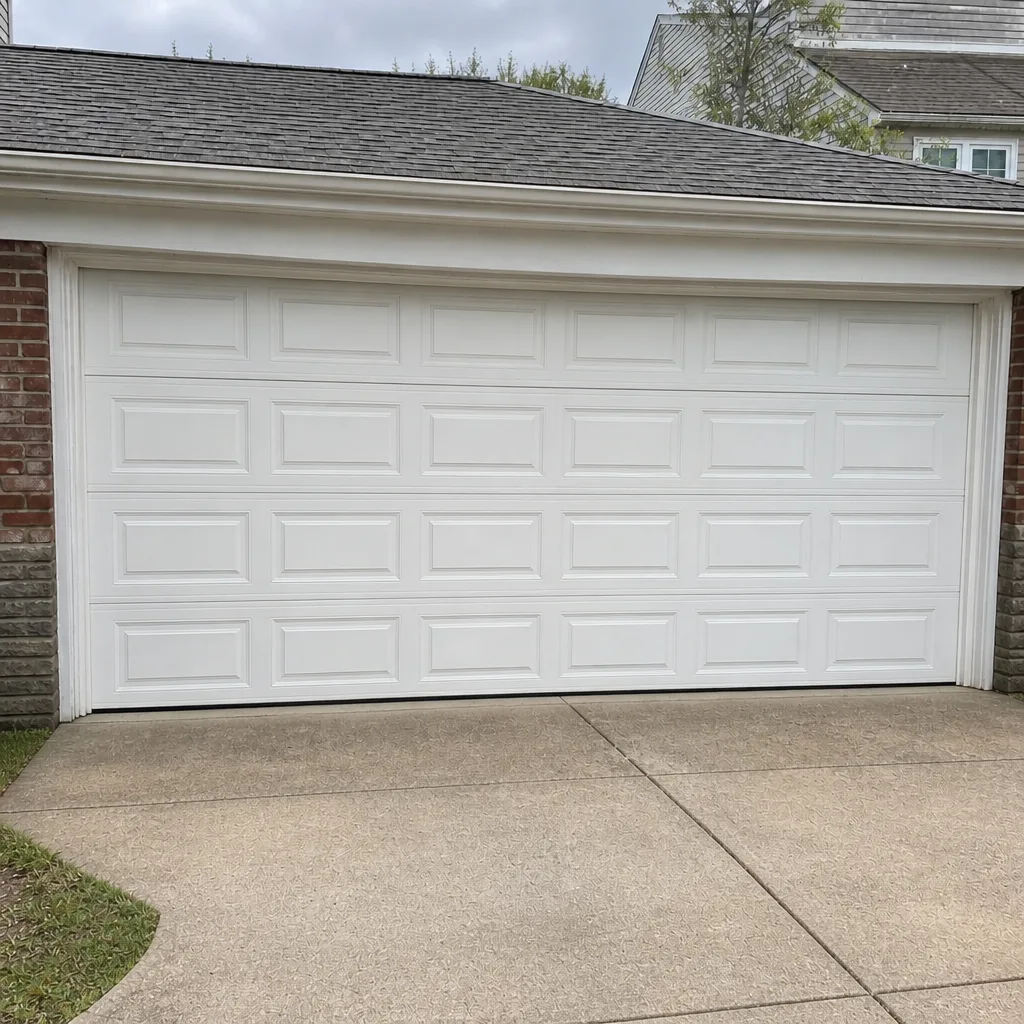 After
When to Call a Professional
Some garage door problems are safe to check and slow down; others need a trained technician on the spot. Call a professional when a spring has snapped or looks stretched, when a cable is frayed or slack, when a track is bent or pulled from the wall, when the door is out of balance, when the safety reverse won’t respond, or when you see corrosion eating into the bottom bracket or cable. Call too if your opener flashes error codes you can’t clear, or if the door grinds and won’t close fully. Those are the moments where a specialist saves you time and money. Garage Door Repair Northeast Philadelphia offers free estimates in Northeast Philadelphia – call (855) 337-1296. Estimates are free, the price is agreed before any work begins, and emergency service is genuinely available when the door won’t move.
Frequently Asked Questions
Run a full checklist four times a year, with a heavy inspection before winter and again after the spring thaw, and a monthly safety reverse test in between. The four-season rhythm matters more here than elsewhere because the cold, snowmelt, and road salt in Northeast Philadelphia stress the door in different ways through the year. Call (855) 337-1296 for a free estimate if any check turns up a problem.
You can safely lubricate hinges, roller pins, and the opener rail yourself; it’s one of the most useful maintenance tasks you can do. Use a low-temperature silicone spray in cold months and a lithium-based product in warmer ones. Don’t lubricate springs, cables, or tracks – leave those to a specialist. Our technicians have up to 8 years of experience if you’d rather have it done right.
A cold-weather noise almost always means dry or thickened lubricant, a worn roller, or a loose hinge. Cold contracts metal and thickens grease, so hardware that’s fine in summer can drag in January. A seasonal low-temperature spray usually quiets it. If the noise comes with a heavy or jerky door, call (855) 337-1296 – that can signal a spring problem.
Yes – salt tracked in on your car settles on the floor where it stays wet and climbs into the bottom bracket, cables, and lowest hinges. In a Northeast Philadelphia winter it can pit steel in months. Rinse the garage floor after salt events, wipe the door bottom, and use silicone on the hardware. If corrosion has reached the bracket or cable, call us for a free estimate.
Keep a simple dated log of each inspection, what you checked, the result, lubrication dates and products, and any service calls, plus seasonal photos of the door and springs. That record is what a manufacturer like Clopay or Raynor will want if a warranty issue comes up. We can help you read the terms. Call (855) 337-1296 for a free estimate if something looks covered.
Stop and check the opener first – a tripped breaker or a dead remote is a quick fix – then look for a snapped spring or a cable off its drum, and don’t run the door if you find one. A door that won’t move in the morning is a security risk, and emergency service is a real offering here, not a marketing line. Call (855) 337-1296 and we’ll get you booked.
The Bottom Line
A garage door maintenance checklist works when it’s timed to the stresses the door actually faces, and Northeast Philadelphia hands a door a specific set of them: freezing winters, a wet spring thaw, repeated thunderstorms, and road salt. Run the part-by-part inspection four times a year, test the safety reverse every month, switch to low-temperature lubricant before the first freeze, and wash the salt off the bottom hardware. Leave springs, cables, track straightening, and opener calibration to a technician. Do that and a small tube of lubricant keeps small problems small instead of turning them into February repairs. When you need a specialist, call (855) 337-1296 for a free estimate.
Written by the team at Garage Door Repair Northeast Philadelphia.