Last updated November 21, 2026
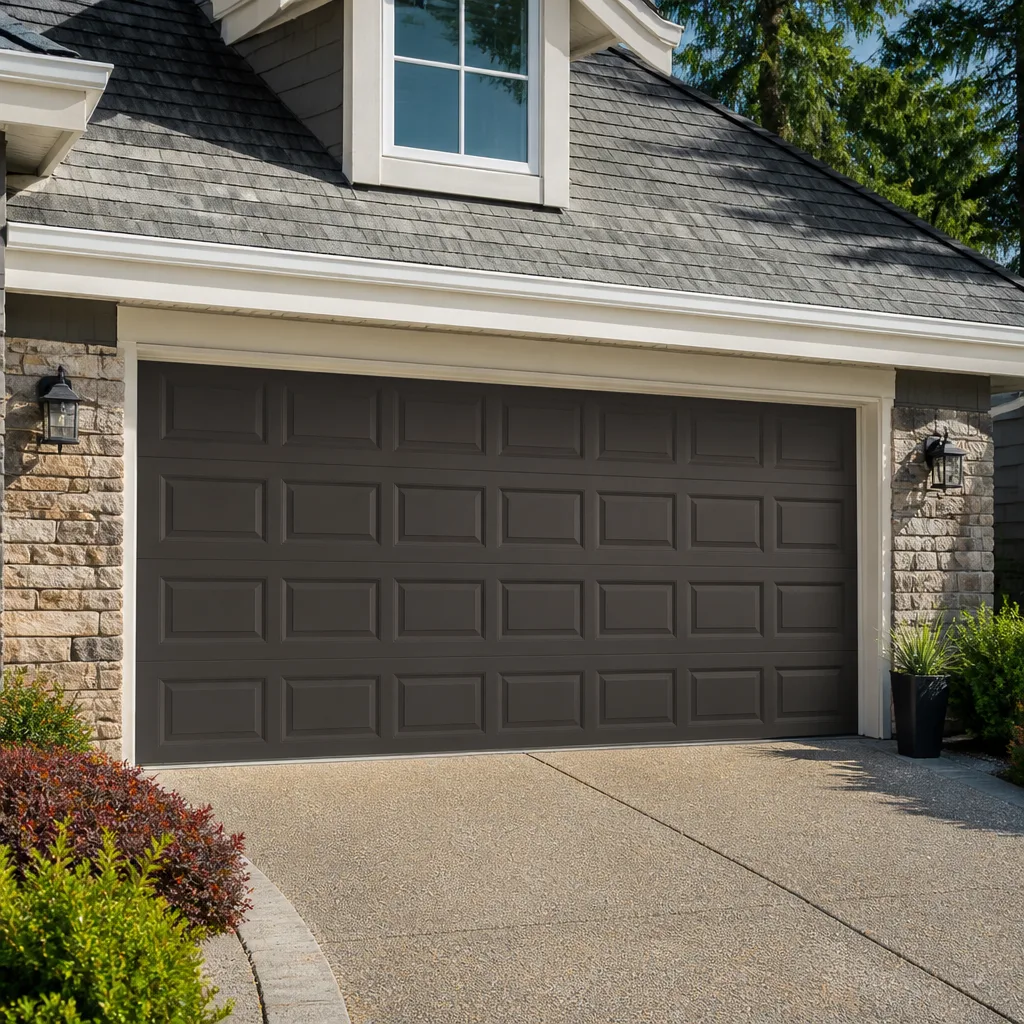 Raised-panel steel
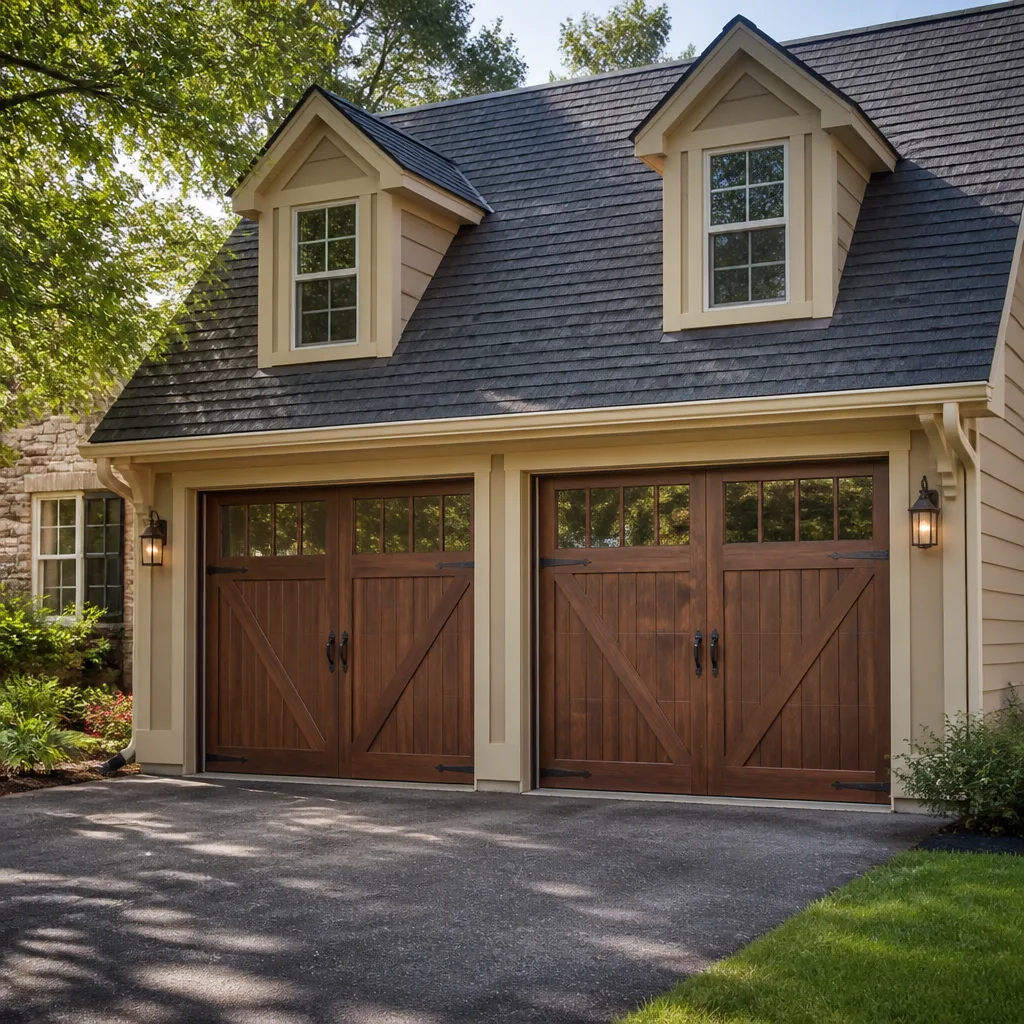 Carriage house
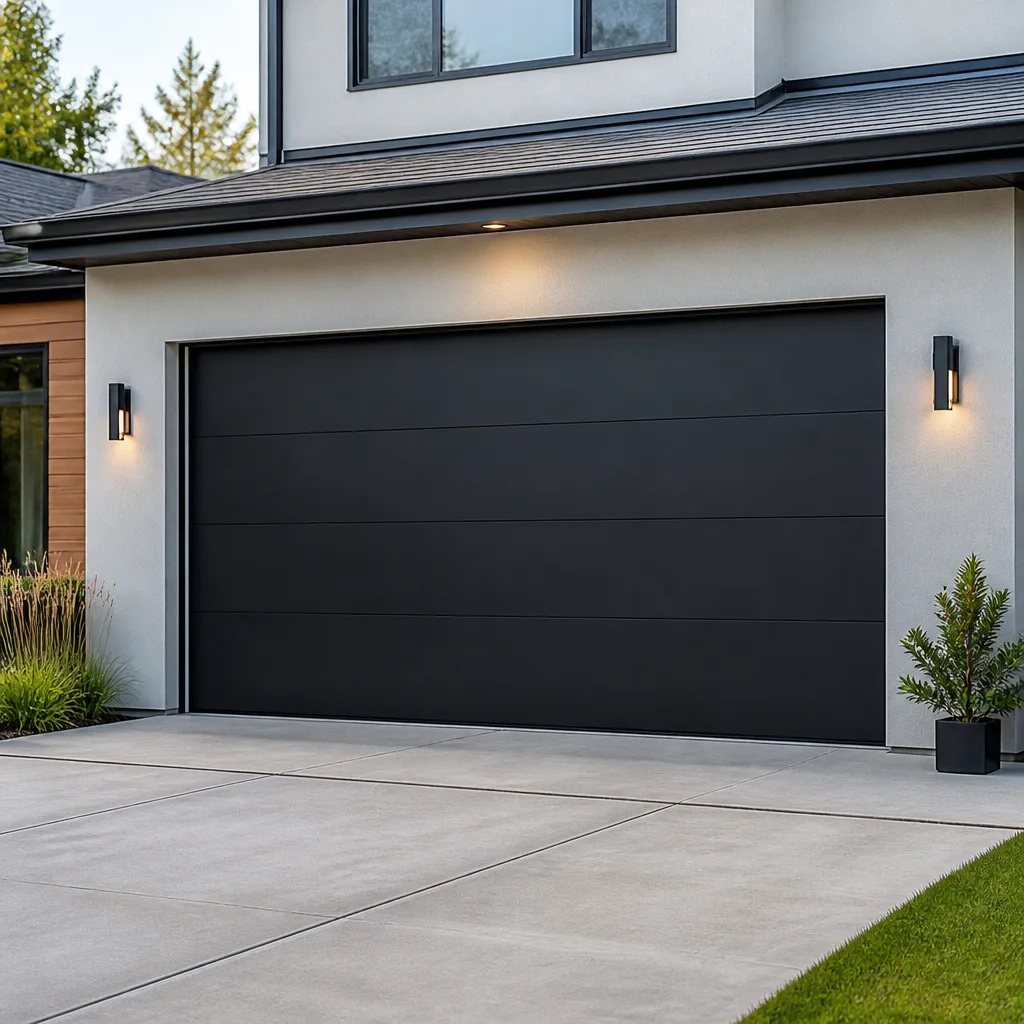 Modern flush
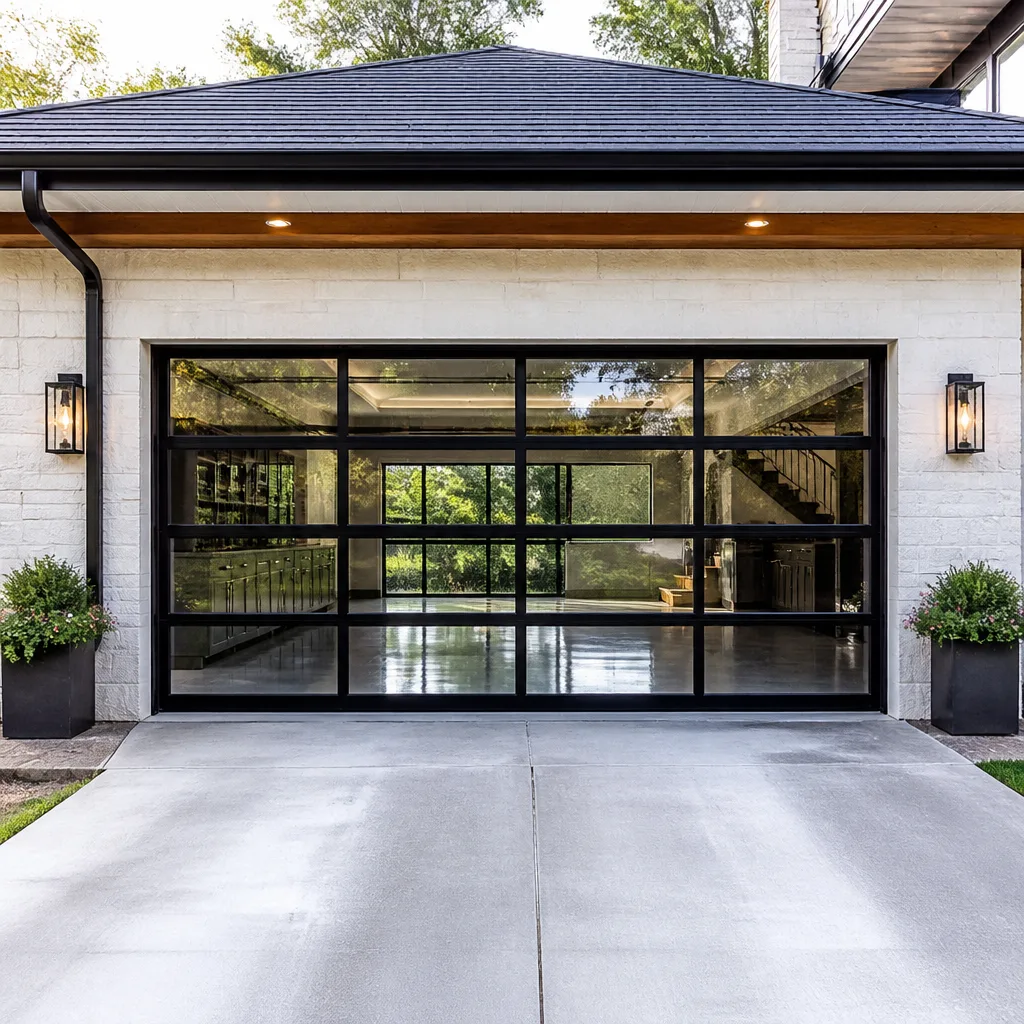 Full-view glass
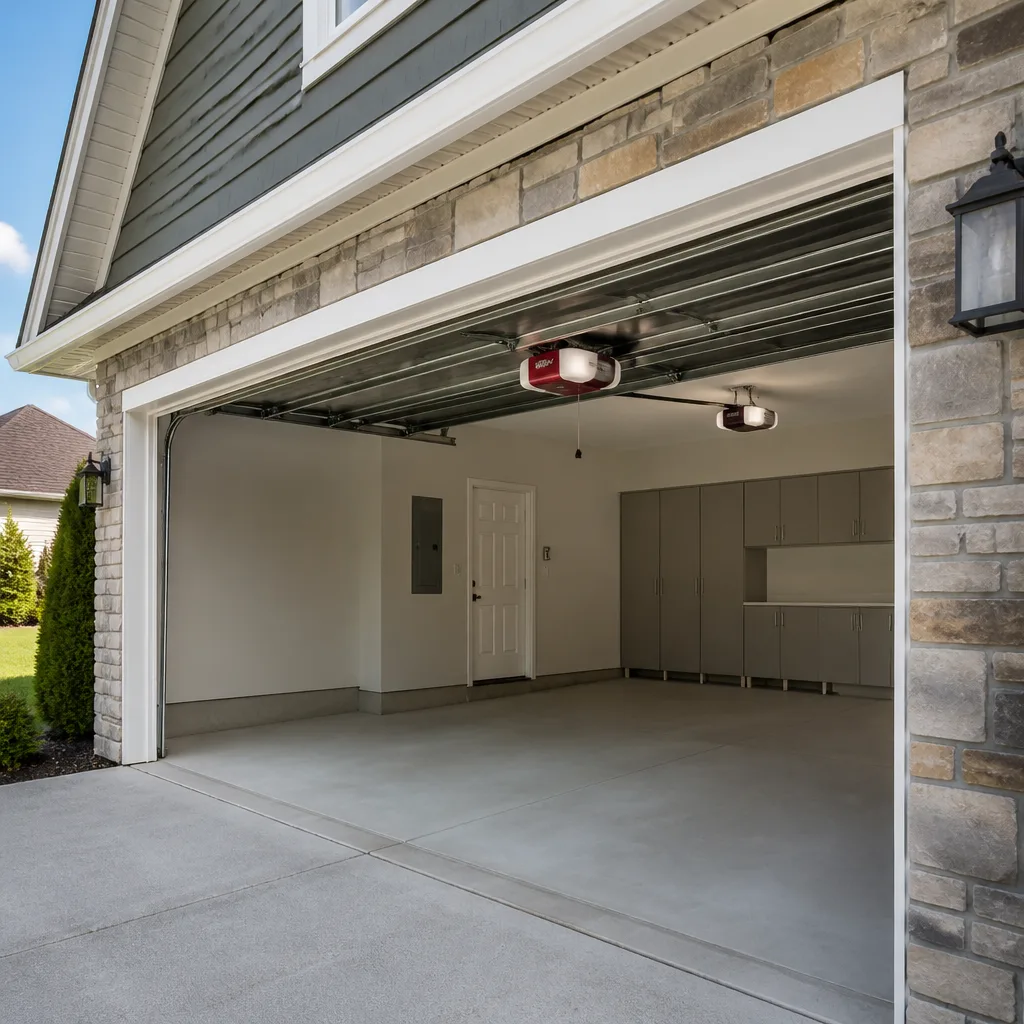 LiftMaster openers
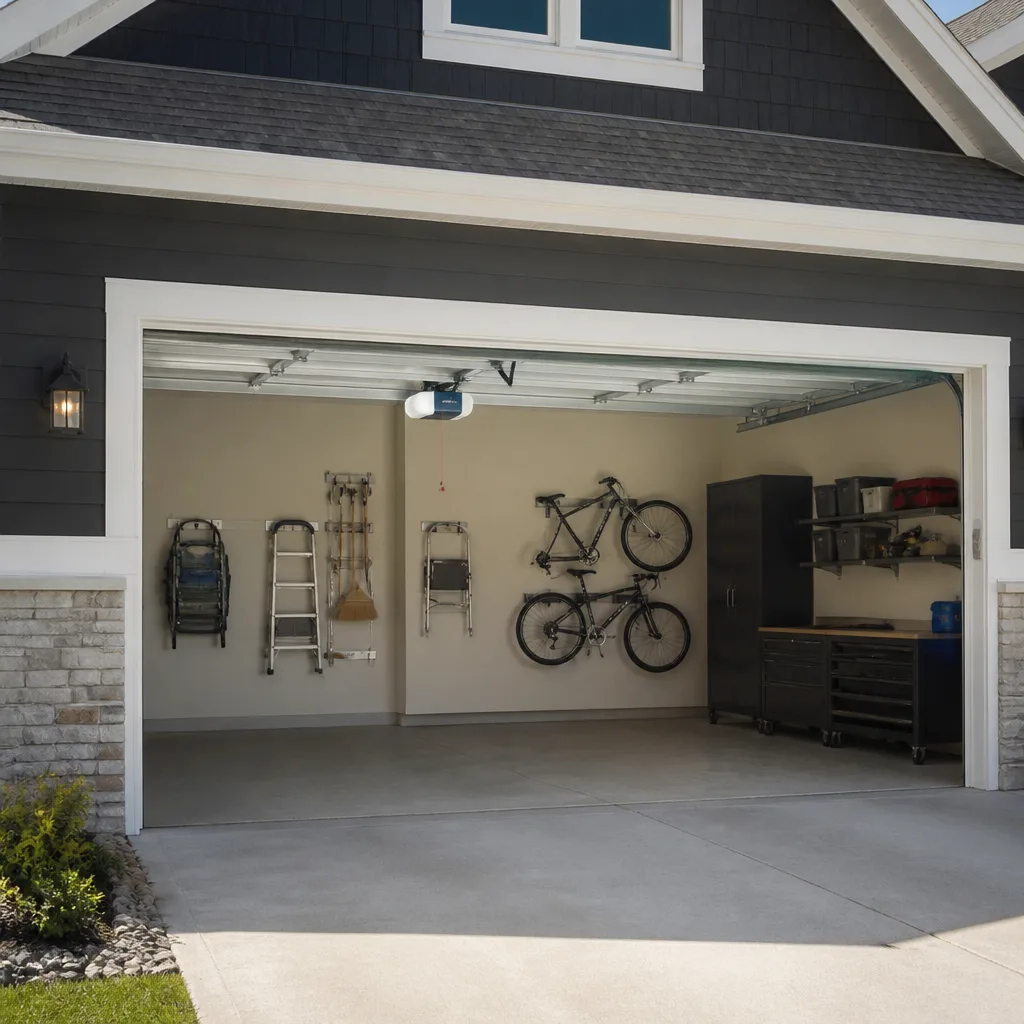 Chamberlain openers
Full 25-point door and opener safety check with every visit - springs, cables, rollers, tracks, and your LiftMaster or Chamberlain opener included
You get a price before we start. It does not change when the pro arrives.
Get your free estimateHow to Hire a Garage Door Contractor in Northeast Philadelphia: A Step-by-Step Guide
A handyman and a garage door technician will often quote you the same number for the same spring job. Only one of them has factory training on the torsion system bolted to your ceiling. The other is learning on your door, and if the install or repair is done wrong, the manufacturer can walk away from the warranty on day one. We’re garage door specialists, and we’ve watched Northeast Philadelphia homeowners pay specialist rates for generalist work. This guide gives you the framework we wish every customer had before they called. You’ll learn the right questions, the credentials that actually matter in Pennsylvania, how to read an estimate line by line, and the red flags that signal time to walk away.
Quick Answer
Hiring a garage door contractor in Northeast Philadelphia means verifying three things before you let anyone touch the door: that the contractor is registered with the Pennsylvania Attorney General as a home improvement contractor and carries liability insurance, that they work on your specific brand, and that they give you a written, itemized estimate that the final price won’t exceed. A true specialist does garage doors only, answers brand-specific technical questions without hesitation, and quotes springs, openers and installs as separate line items. If a contractor can’t answer those five technical questions or won’t put the price in writing, keep looking.
Styles & brands we work with
- Raised-panel steel
- Carriage house
- Modern flush
- Full-view glass
- LiftMaster openers
- Chamberlain openers
Table of Contents
- What are the Pennsylvania requirements for a garage door contractor?
- The five technical questions every quote should survive
- How to read a written estimate line by line
- Why factory authorization from LiftMaster, Chamberlain and Clopay matters
- What a legitimate emergency call costs in Northeast Philadelphia
- How to tell a specialist from a generalist handyman
- What to check on the warranty before you sign
- Common mistakes to avoid
What are the Pennsylvania requirements for a garage door contractor?
Pennsylvania requires home improvement contractors, garage door work included, to register with the state Attorney General’s Bureau of Consumer Protection under the Home Improvement Consumer Protection Act. Registration is not the same as a license. Pennsylvania does not issue a garage door contractor license the way some states do, so the registration number and proof of liability insurance are the two documents that tell you the contractor is operating legitimately. Ask for both before work begins, and check the registration number against the state’s database.
Here’s what the two credentials actually cover:
- Home improvement contractor registration – confirms the business is on file with the state and subject to the consumer protection rules that govern home improvement contracts.
- Liability insurance – covers damage to your property, your door, your car or your home if something goes wrong on the job.
- Workers’ compensation – ask about it. If someone is injured on your property and the contractor isn’t covered, you don’t want to be the one holding the bill.
A general handyman doing odd jobs around the house may not need to carry the same registration for every task, which is exactly why homeowners get confused when a handyman quotes a garage door spring replacement at the same price as a specialist. The rules that apply to home improvement contractors apply to garage door work. Northeast Philadelphia has plenty of older housing stock with original or mid-century doors, and a contractor who doesn’t know the registration requirements is telling you something about how they run their business. When in doubt about a permit or code question on structural changes, call the city’s building department directly rather than taking a contractor’s word for it.
The five technical questions every quote should survive
A knowledgeable technician answers these without pausing. A vague one changes the subject, promises to “take a look” once they arrive, or tells you not to worry about the details. The questions are fair to ask and the answers are not trade secrets.
- “Is my door a torsion spring or an extension spring setup?” A specialist knows the difference the moment they look at your door, and knows why it matters. Torsion springs run on a shaft above the door; extension springs stretch along the tracks. The repair and the safety approach differ, and the quote should reflect which one you have.
- “You’ll replace both springs on a matched pair, correct?” A matched pair is designed to work together and typically fails close to the same time. Replacing one spring and leaving the other is a shortcut that usually comes back. If they only quote one spring on a two-spring door, ask why.
- “Do you carry the right size spring for my door, or is this a special order?” Springs come in sizes matched to the door’s weight. A technician who measures the door, the wire gauge and the wind on the old spring is working properly. A technician who grabs a generic spring is not.
- “What brand is my opener, and how do you diagnose it?” LiftMaster, Chamberlain, Genie and Raynor each behave differently when they fail. A specialist familiar with the brand knows the common failure points and tests accordingly instead of swapping parts until something works.
- “Will the replacement spring or opener match the door’s rated capacity?” This is a warranty question as much as a safety one. The door manufacturer sets the rated capacity, and a mismatched component can take the door out of spec.
If you own newer equipment and you’re weighing a repair against a replacement, our guide to garage door opener repair walks through how the decision usually goes. We work on the brand you already have, so the technician who shows up should be able to diagnose what’s on your ceiling without a sales pitch.
How to read a written estimate line by line
A written estimate is where the specialist reveals themselves. Itemized line items with part numbers, spring sizes and labor separated out tell you the technician knows what the job requires. A single lump sum with “springs” written on it tells you the contractor is pricing the job by feel, and the markup (or the cheap part) is hidden inside that number. Ask for the estimate in writing before any work starts and confirm the final price won’t exceed it without your approval.
Here’s what a specialist estimate usually shows:
- The specific part or part number being replaced, including spring size or opener model
- Separate charges for the part and the labor
- Whether the job is for one spring or a matched pair
- The warranty terms spelled out, not just promised verbally
- A clear statement that the quoted price is the price, unless you approve an additional repair in writing
A lump-sum estimate isn’t automatically a scam, but it removes your ability to see what you’re paying for. It also makes it easy to substitute a cheaper spring or a lower-grade opener of the same dimensions and pocket the difference. On a door with a heavy wood panel in an older Northeast Philadelphia rowhouse, the spring gauge matters and a cheap substitute wears faster. If you’re looking at a bigger job, such as a full replacement, compare two written estimates from contractors who both put the parts on paper. Our garage door installation page explains what a full install quote typically separates out. Expect a free measure and a written price on any installation job; that work is measured, ordered and scheduled, so there’s no reason a legitimate contractor would rush you into a decision on the spot.
Why factory authorization from LiftMaster, Chamberlain and Clopay matters
Factory authorization means the manufacturer has trained and recognized the contractor to service its products. That training covers the brand-specific behavior that generalists miss: how a LiftMaster opener’s safety sensors should read on a diagnostic test, how a Chamberlain unit resets after a power interruption, how a Clopay door’s warranty handles spring and hardware replacements. A contractor without that familiarity is guessing at the edges, and warranty departments can tell when work was done outside spec.
Warranty protection is the practical reason this matters. Door and opener warranties are conditional. They assume the installed components match the door’s rated capacity and that repairs follow the manufacturer’s procedure. Replace a torsion spring with the wrong wind or gauge and the door manufacturer has grounds to deny a claim on the spring, the cables or the door panels. The homeowner is left holding the cost of a repair that should have been covered.
On the opener side, Raynor, Genie, Chamberlain and LiftMaster each run their own warranty terms. Our technicians are trained and equipped to service eight lines: LiftMaster, Chamberlain, Genie, Clopay, Amarr, Wayne Dalton, Craftsman, and Raynor. If a contractor tells you “they’re all basically the same,” that’s your cue to ask a brand-specific question and watch the answer. When the door won’t move at all and you need help now, we offer emergency garage door service; our garage door repair Northeast Philadelphia page lays out how a same-day call works.
What a legitimate emergency call costs in Northeast Philadelphia
Emergency garage door service costs more than a scheduled repair, and that’s fair. What isn’t fair is a call that turns into pressure to replace the whole door at a premium. The tell is the diagnosis: a legitimate emergency call identifies what actually failed before quoting anything, and a price-gouging call arrives with a replacement pitch already loaded. Ask for the diagnosis in plain language and for the repair price in writing before work begins.
What separates a fair emergency quote from a gouging one:
- A clear diagnosis first. The technician identifies the failed part before discussing the price.
- A written quote for the repair. Emergency service changes the response time, not the obligation to write the price down.
- Options, not ultimatums. A legitimate call offers to repair what failed and mentions a full replacement only if the door genuinely can’t be made safe.
- No high-pressure bundling. If the quote arrives with “and while we’re here, you should replace the whole door,” slow down and ask why.
- Registration and insurance on request. Even at 7 a.m., a legitimate contractor can confirm both.
Spring work is the most common emergency call in this area, and it’s also the most dangerous job in the trade. A torsion spring under tension can cause serious injury or death if it releases unexpectedly, and extension springs can do the same. We won’t walk a homeowner through replacing one over the phone, and no responsible contractor should. Springs are not a DIY job, and a contractor who offers to teach you the repair is telling you how they’ll treat the ones they do. If you’re comparing us to another call, our garage door repair page shows how we structure a repair quote. For a genuine emergency, call (855) 337-1296 and we’ll get a technician out to assess the door.
How to tell a specialist from a generalist handyman
A generalist will often quote a garage door repair at the same price as a specialist, but the price isn’t the tell. The tell is what happens when the job goes sideways. A dedicated garage door contractor handles springs, openers, cables, tracks and full installs under one roof, every day, and has seen the failure modes that surprise someone who mostly hangs drywall. In our experience, the difference shows up on the second visit, when a generalist’s repair has failed and the specialist is the one diagnosing why.
The practical distinctions break down like this:
- Scope. A specialist does garage doors only. A generalist splits time across many trades, so the skill is thinner on yours.
- Brand knowledge. A specialist can name the brands they’re trained on and describe how each one behaves. A generalist can’t.
- Tools and parts. Spring winding requires specific tooling and the right spring for the door. A generalist is likely to order the part or improvise.
- Liability. High-tension spring work is a real injury risk, and both the contractor’s insurance and your own are in play. A specialist understands that exposure.
- Warranty standing. A factory-trained specialist is more likely to preserve the manufacturer’s warranty on the door and opener.
Single-trade focus isn’t a marketing label here; it’s the reason the technician who arrives knows what’s on your ceiling before touching it. If your goal is to keep the current door working for years, the specialist is the one who can tell you honestly whether it’s worth repairing. If it’s not, they’ll say so. One trade, done right, means every job, every technician, every call is garage doors only.
What to check on the warranty before you sign
Warranty questions are where homeowners get burned quietly. Ask three specific things before you approve the job: what the contractor warrants on the part, what they warrant on their labor, and whether the manufacturer’s warranty survives the repair. Get all three in writing. If a contractor can’t explain the difference between their own warranty and the manufacturer’s, you’ve found your answer.
On a spring replacement, the manufacturer’s terms usually depend on the spring matching the door’s rated capacity and the installation following the specified procedure. On an opener, the brand terms differ from model to model. A specialist trained on your brand knows those terms and won’t do anything that puts the warranty at risk without telling you first. A generalist often doesn’t know the terms exist until you need them, and by then you’re dealing with the manufacturer alone.
Ask the contractor to put the warranty in the written estimate, not on a verbal promise. Then keep the estimate. If a failure happens a year down the road, the paperwork is the difference between a covered repair and an argument. A contractor who answers these questions clearly is worth keeping on file. Call (855) 337-1296 for a free estimate on a repair or replacement.
Common Mistakes to Avoid
- Hiring on price alone. The lowest quote in Northeast Philadelphia is often the one that skipped the registration, the insurance or the correct spring size. You end up paying twice.
- Accepting a lump-sum estimate. Without line items you can’t tell a fair price from a marked-up one, and you can’t spot a cheap part substituted for the right one.
- Assuming the handyman is a specialist. A generalist who “does garage doors too” may quote the same number, but the depth of knowledge and the liability coverage are different. Ask the five questions.
- Skipping the registration and insurance check. Pennsylvania’s home improvement contractor registration exists to protect you. Verify it against the state database, and confirm liability coverage before anyone touches the door.
- Replacing one spring on a matched pair. The second spring is usually close behind the first, and the labor cost for a second call often eats any savings.
- Attempting the spring repair yourself. Torsion and extension springs are under heavy tension, and the injury risk is real. Leave it to a trained technician.
- Ignoring the warranty wording. The manufacturer can deny a claim if the replacement part or procedure falls outside spec. Get the terms in writing before work starts.
See the difference
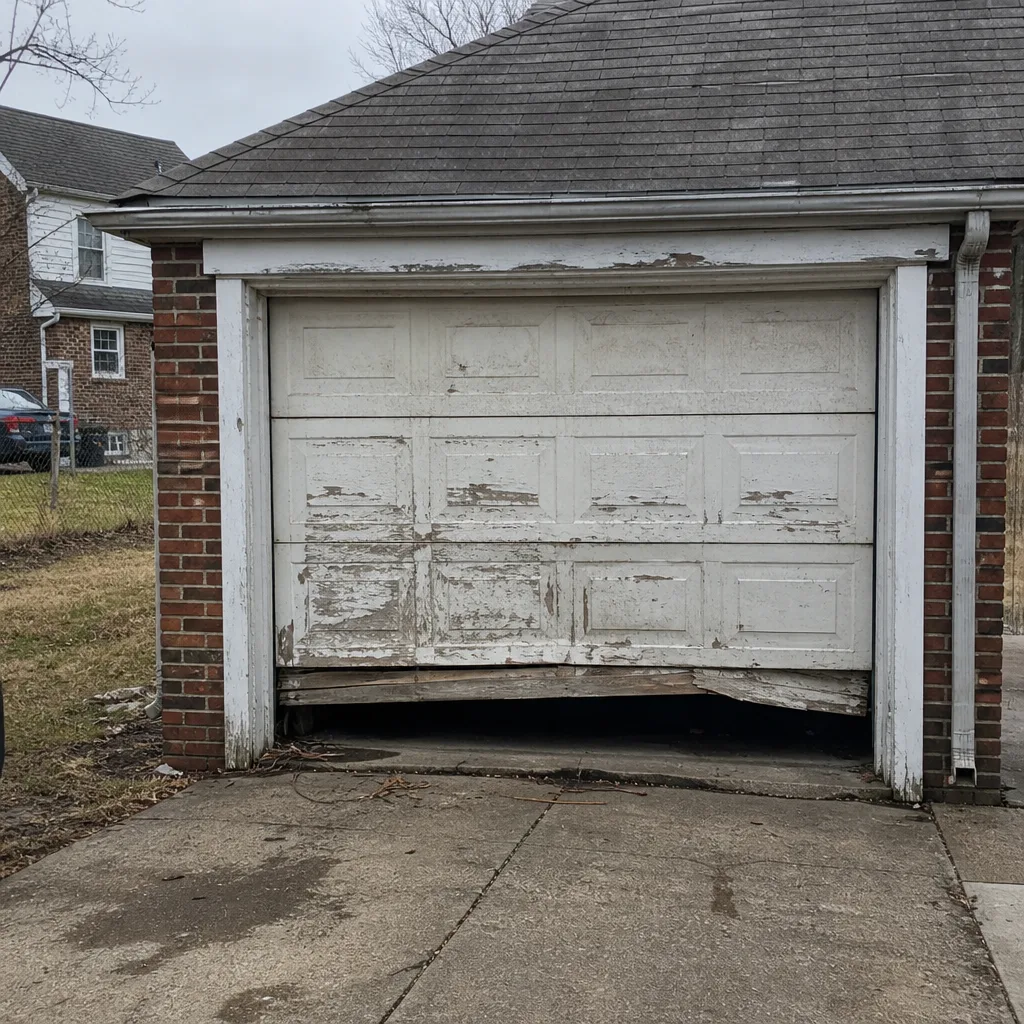 Before
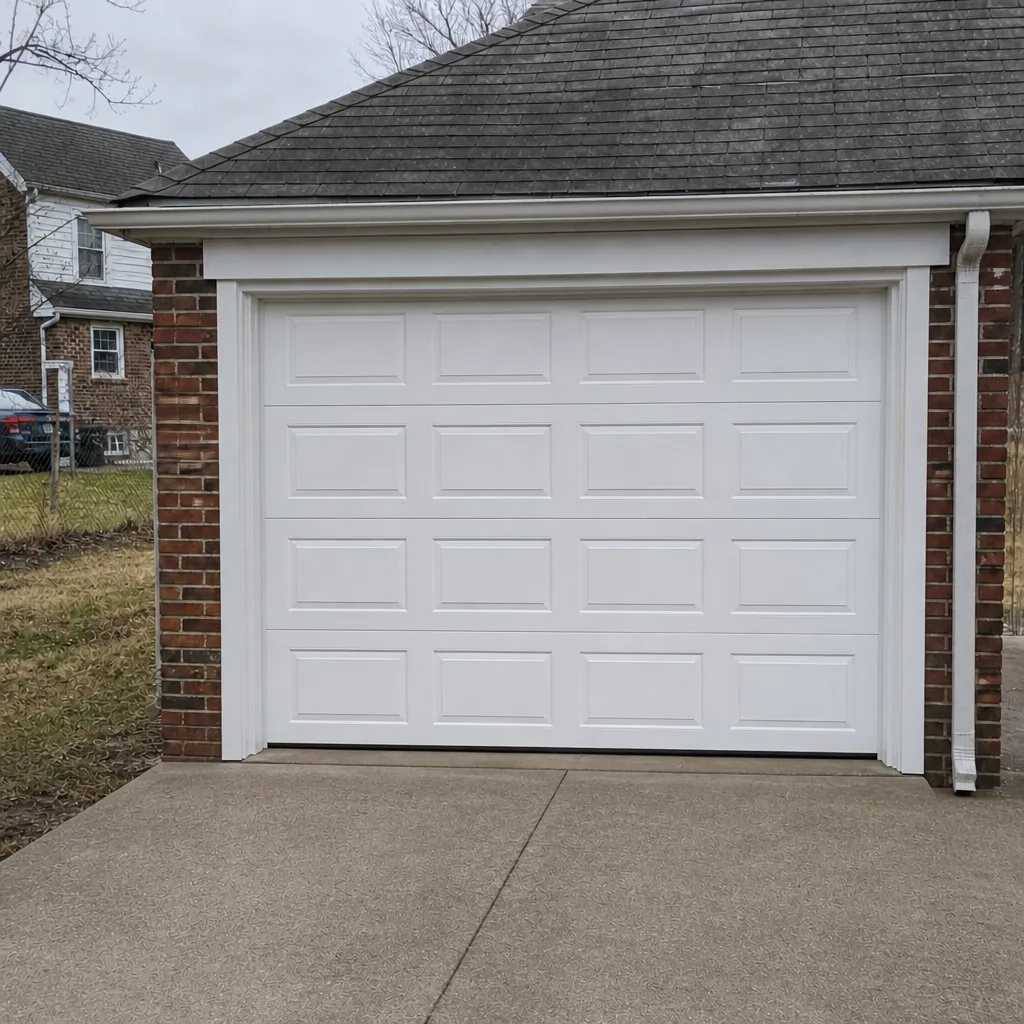 After
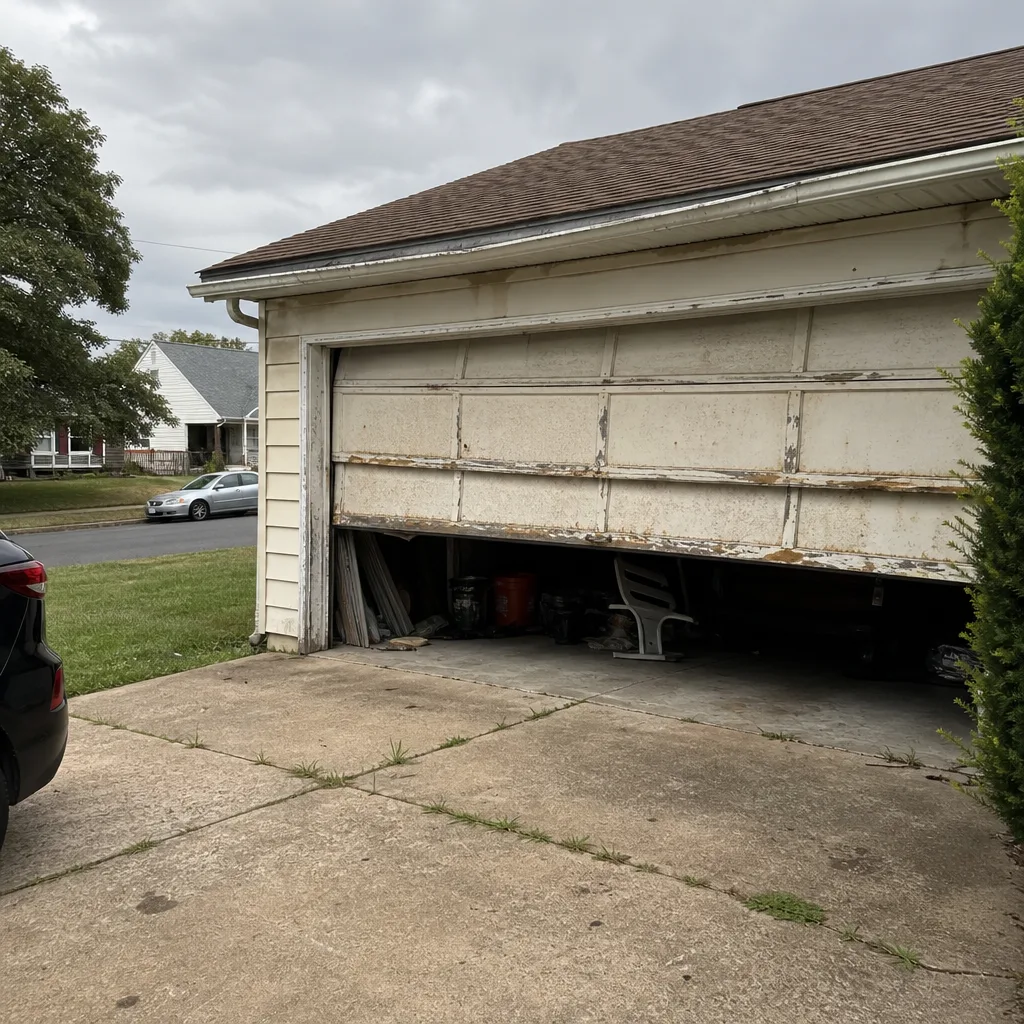 Before
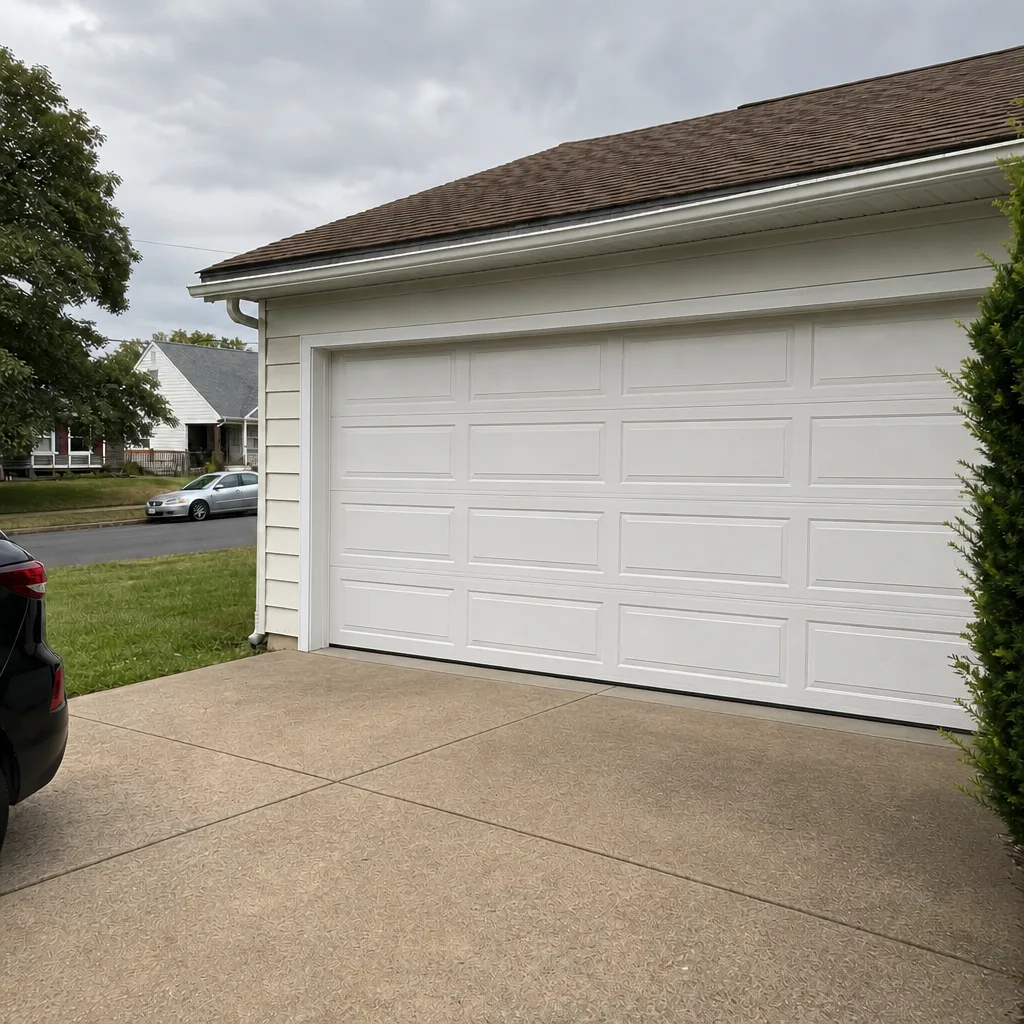 After
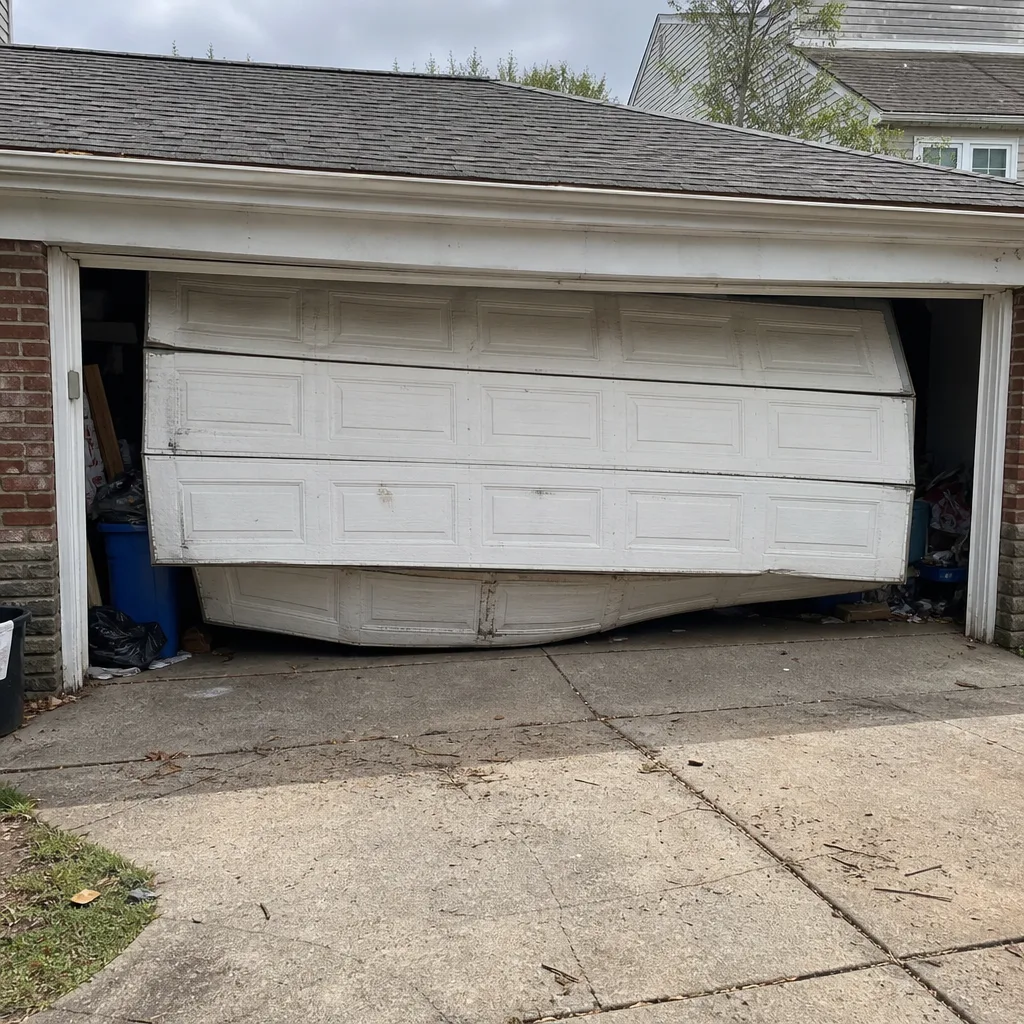 Before
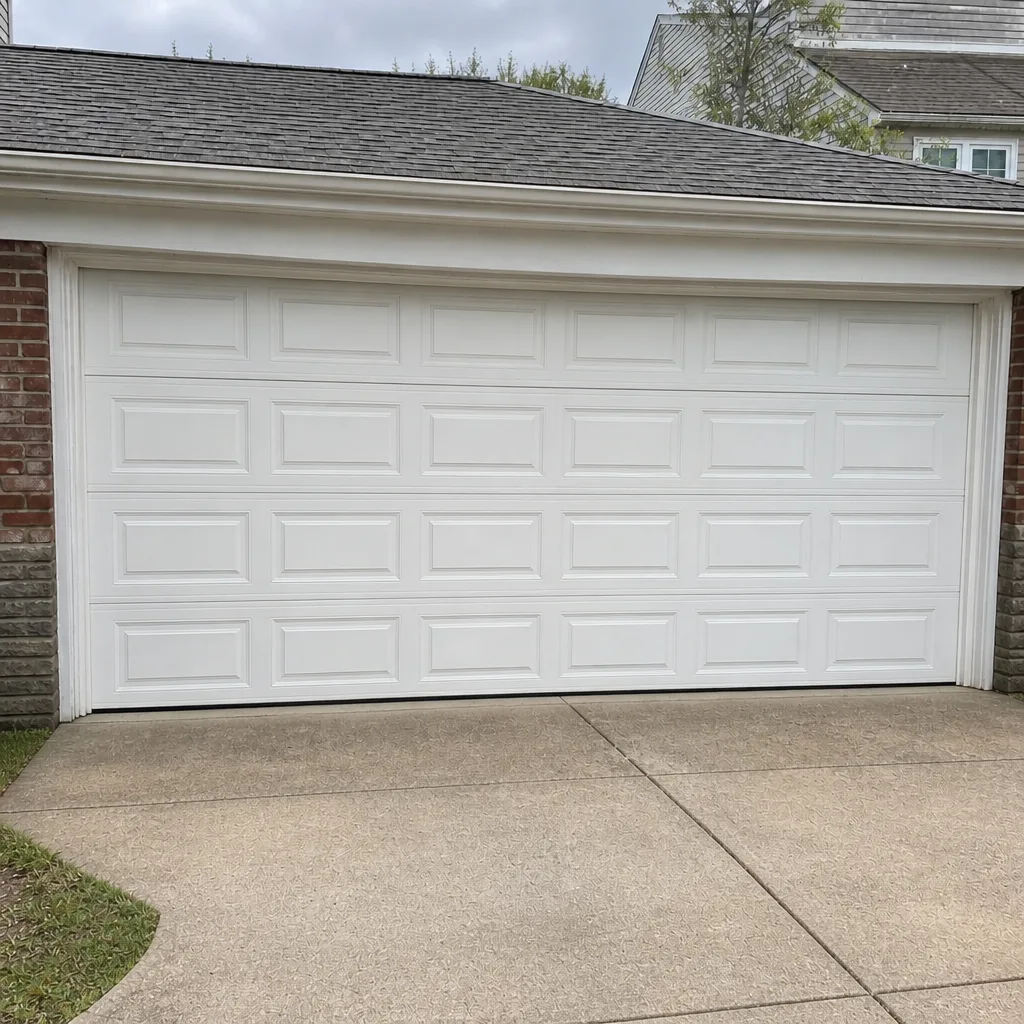 After
When to Call a Professional
Call a professional when the door won’t open, won’t close, closes partway and reverses, or makes a loud snap from above the tracks. If the door is off its tracks or hanging unevenly, don’t operate it; that’s a safety and a security exposure at once. A broken spring is a call even if the door still opens, because the opener is now doing work it wasn’t designed to do. Opener problems, remote and keypad failures and sensor misalignment are also jobs for a specialist, not a quick fix from a video. Garage Door Repair Northeast Philadelphia offers free estimates in Northeast Philadelphia – call (855) 337-1296. Our technicians have up to 8 years of experience, and we handle spring repair, opener repair, installation and emergency calls on the brands we’re trained for.
Frequently Asked Questions
Ask for the contractor’s home improvement contractor registration number and proof of liability insurance, then check the registration against the state Attorney General’s database. Pennsylvania doesn’t issue a separate garage door license, so registration and insurance are the two documents that confirm the contractor is operating legitimately. Call (855) 337-1296 for a free estimate with those documents in hand.
A legitimate emergency repair carries a higher response-time charge than a scheduled repair, but the price should still be diagnosed first and quoted in writing before any work begins. The number depends on the failed part: a spring replacement, an opener repair and a sensor fix are different jobs at different prices. What matters is that the technician identifies the failure before pitching anything. Call (855) 337-1296 for an exact quote – estimates are free.
It shouldn’t, as long as the quote is based on a real diagnosis and not a phone estimate. The written estimate we give you sets the final price, and if we find something the original estimate couldn’t cover, we tell you and get your approval before the price changes. Call (855) 337-1296 to book an estimate.
Garage door work in Pennsylvania is regulated through home improvement contractor registration with the state Attorney General plus liability insurance, not a separate license, and you should confirm both for any contractor you hire. Contractors who do this work properly will hand over those documents on request. Call (855) 337-1296 with any questions before booking.
For a repair, often yes, and emergency service on a door that won’t open or won’t close is a core part of what we do, with fast dispatch from 7am to 7pm. Installation and full replacement are different: those jobs are measured, ordered and scheduled, so you get a free measure and a written price first. If your door failed and you need help now, call (855) 337-1296.
In most cases yes. We’re trained and equipped to service eight lines: LiftMaster, Chamberlain, Genie, Clopay, Amarr, Wayne Dalton, Craftsman, and Raynor. Brand familiarity means the technician diagnoses by how that brand actually behaves instead of guessing. If you’re not sure what you own, tell us what’s on the door and we’ll confirm before the visit. Call (855) 337-1296 for a free estimate.
The Bottom Line
Hiring a garage door contractor in Northeast Philadelphia comes down to filtering before you pay. Verify the Pennsylvania registration and liability insurance. Ask the five technical questions and listen for specific answers, not reassurance. Insist on an itemized written estimate and confirm the final price won’t exceed it. Choose a contractor trained on your brand, because that protects your warranty and your safety on the high-tension parts. And treat emergency work as a repair first, not a replacement sale. A specialist will answer all of it without flinching. When the door won’t move, we do.
Garage Door Repair Northeast Philadelphia handles repair, opener repair, spring repair, installation and emergency service on the eight brands we’re trained for, and our technicians have up to 8 years of experience. Call (855) 337-1296 for a free estimate. Our local pro is licensed and insured as their state requires, and we can work with your insurer if a claim is needed. If you’re comparing options, explore garage door opener repair, garage door repair, and garage door installation for the full picture of what we do.
Written by the team at Garage Door Repair Northeast Philadelphia.