Last updated November 21, 2026
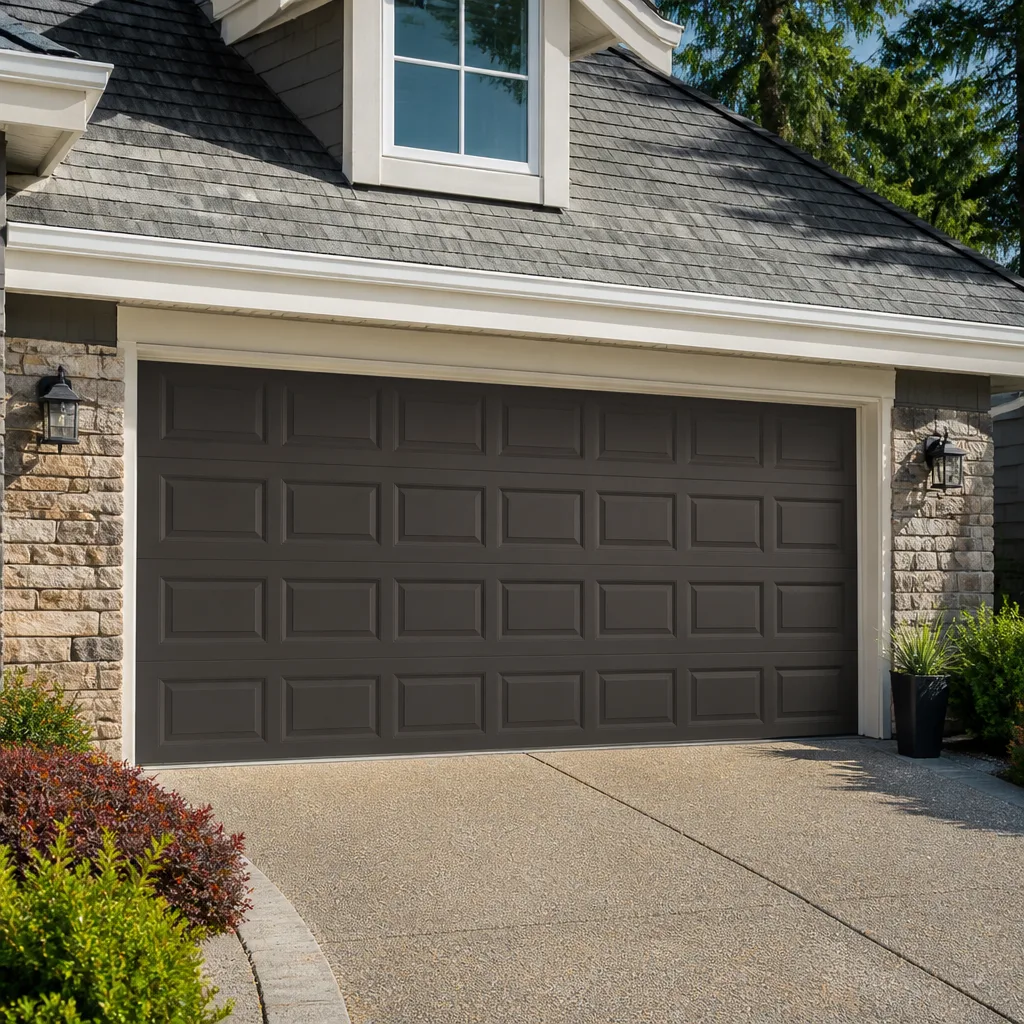 Raised-panel steel
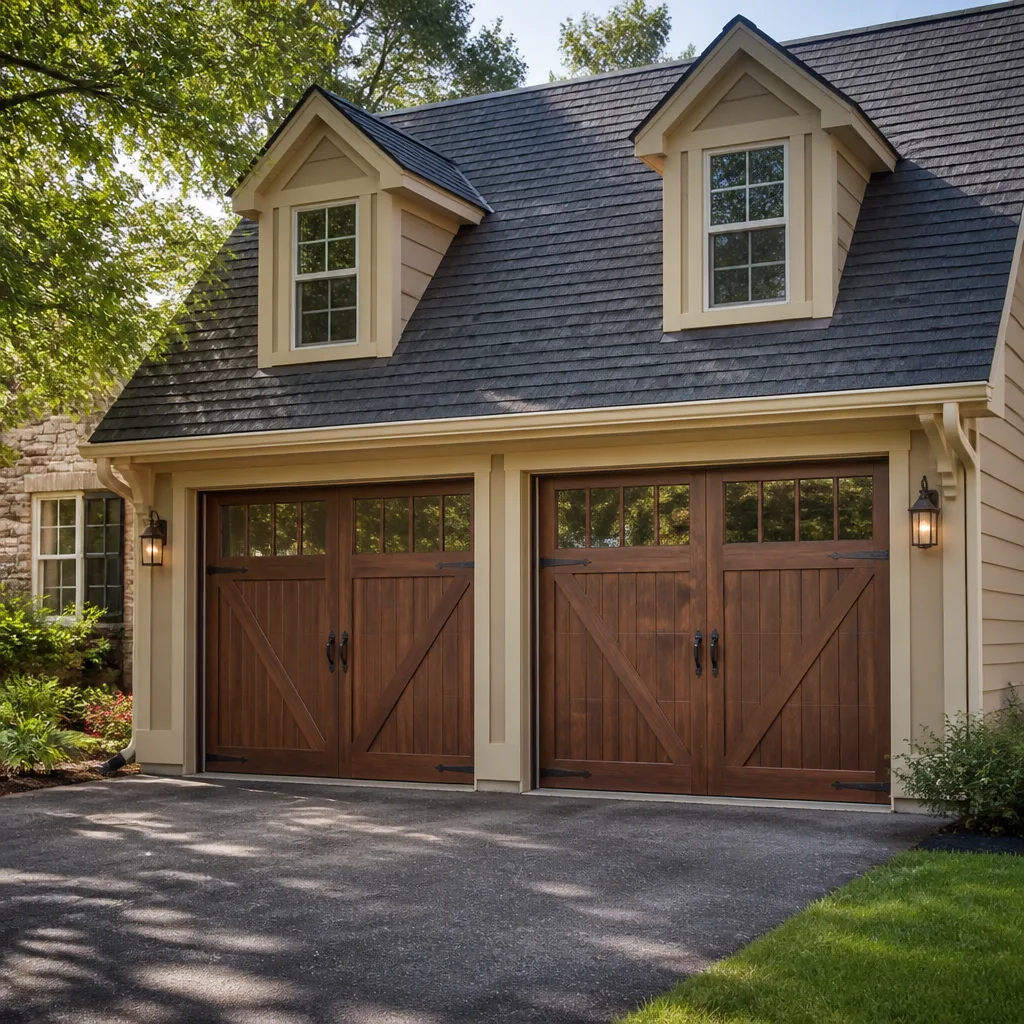 Carriage house
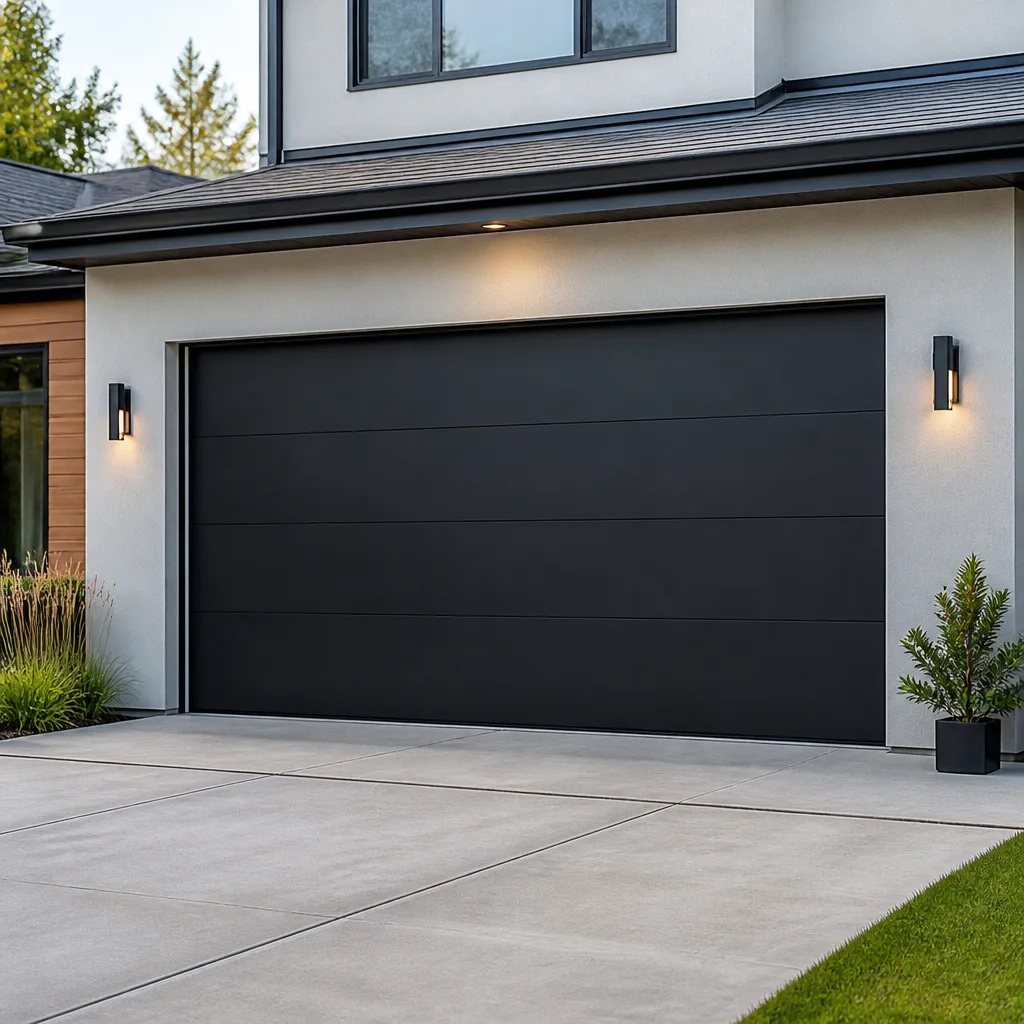 Modern flush
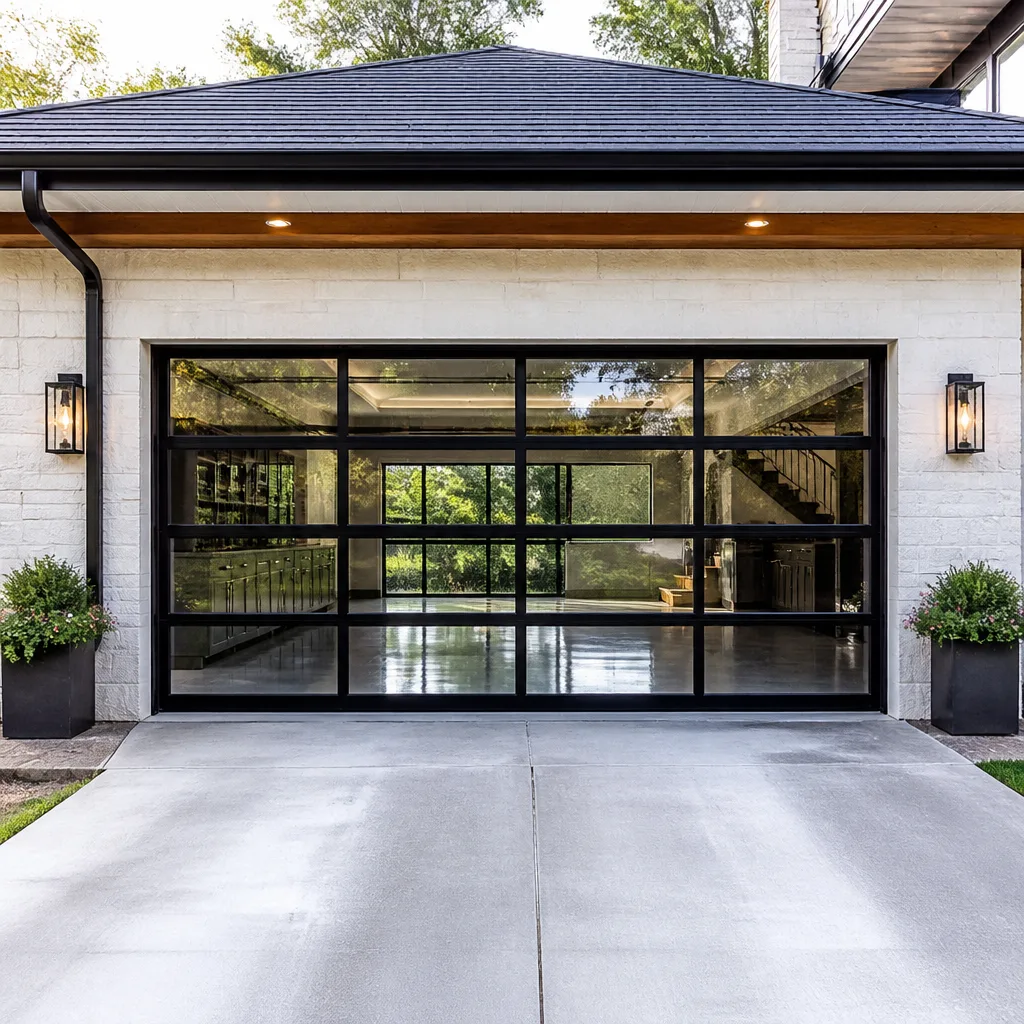 Full-view glass
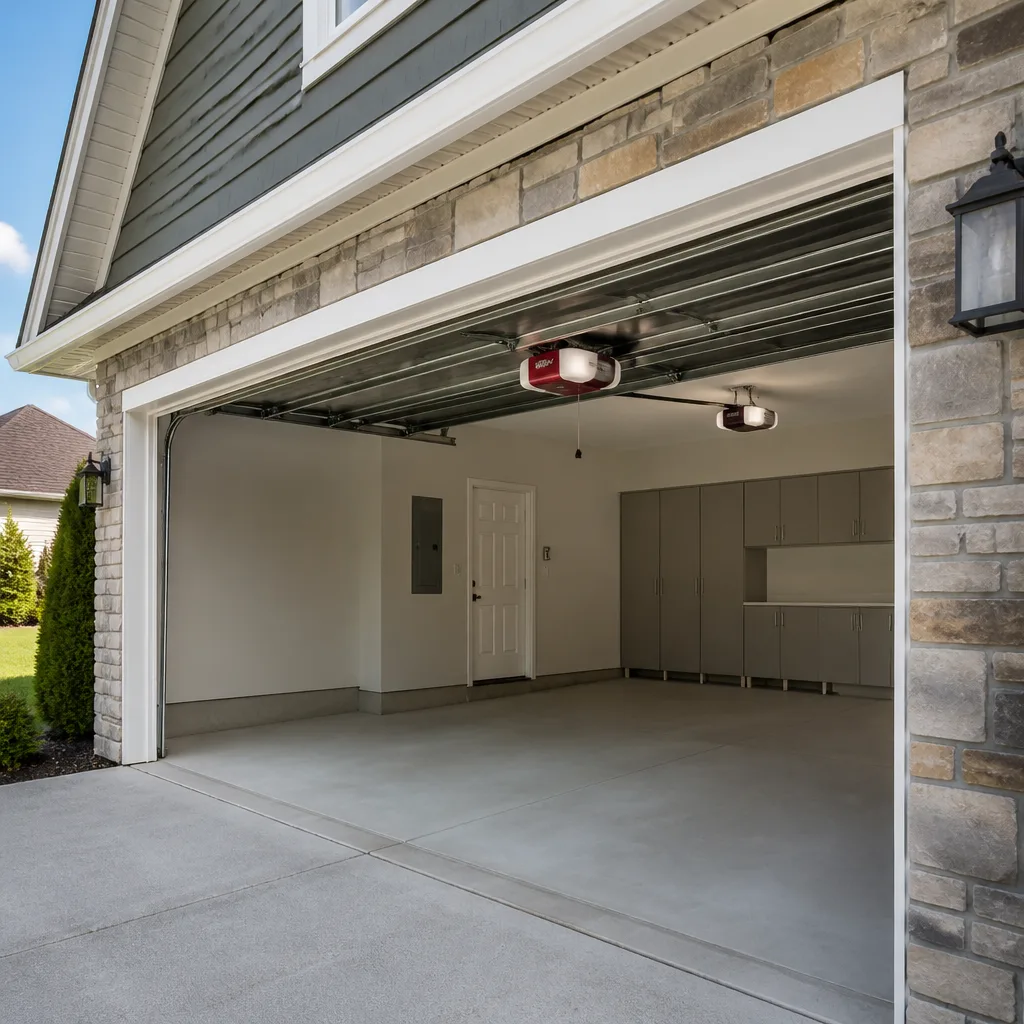 LiftMaster openers
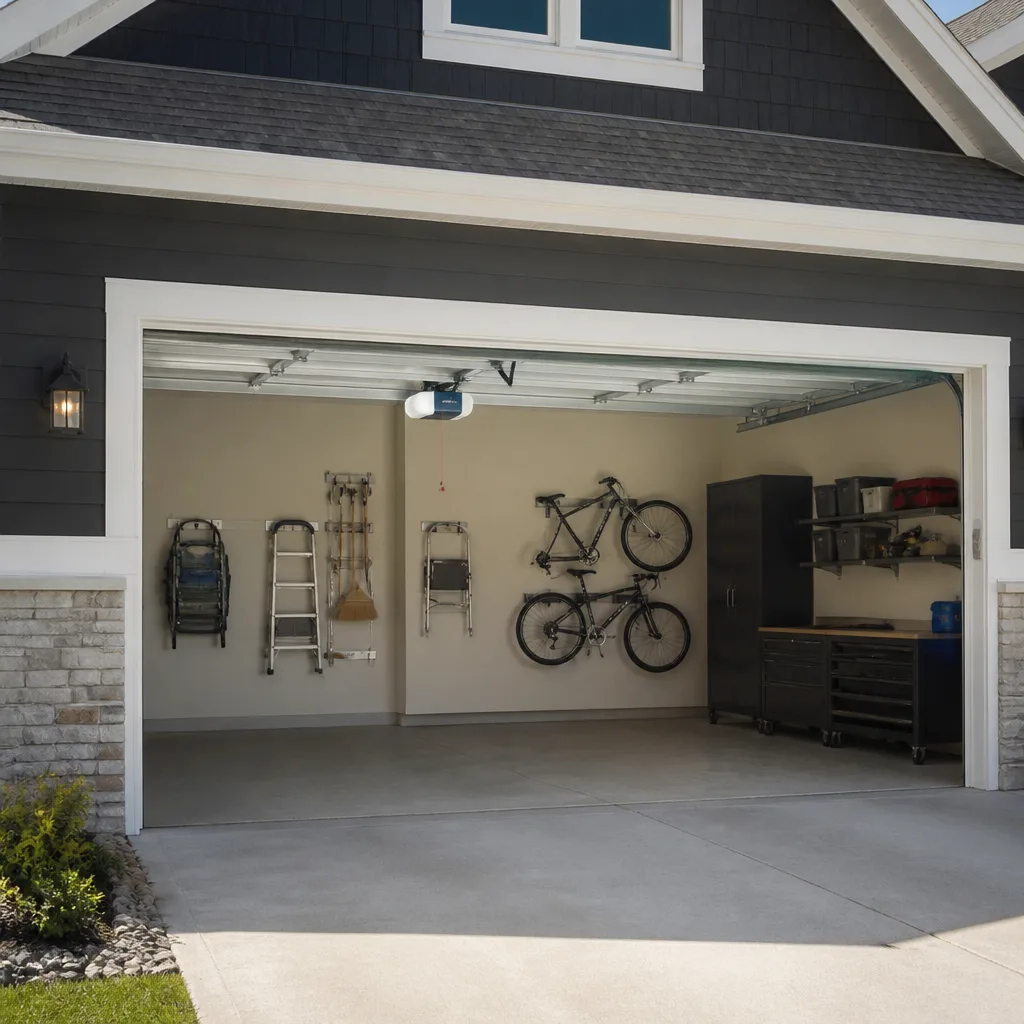 Chamberlain openers
Full 25-point door and opener safety check with every visit - springs, cables, rollers, tracks, and your LiftMaster or Chamberlain opener included
You get a price before we start. It does not change when the pro arrives.
Get your free estimateSeasonal Garage Door Care for Northeast Philadelphia: Year-Round Homeowner’s Guide
The garage door failure most Northeast Philadelphia homeowners blame on winter actually started in October. As overnight temperatures slide, the steel in a torsion spring contracts and the tension creeps higher than it sat all summer. A spring already near the end of its fatigue life gets pushed past the threshold quietly, while the door still opens and closes fine. Weeks later, on the first hard freeze, it snaps and everyone calls it a winter problem. It wasn’t. This guide walks through four distinct mechanical seasons for a garage door in Northeast Philadelphia and shows you what to check at each transition, so you’re adjusting hardware on your schedule instead of replacing it on the door’s.
Quick Answer
A garage door in Northeast Philadelphia needs attention at four seasonal transitions, not just before winter: an October pre-freeze adjustment, a January freeze-management check, a March freeze-thaw inspection, and a July heat-expansion review. Each transition stresses a different part of the system. The fall tune-up is the highest-leverage of the four, because it’s the last chance to correct spring tension and hardware torque before the cold locks everything in place.
Styles & brands we work with
- Raised-panel steel
- Carriage house
- Modern flush
- Full-view glass
- LiftMaster openers
- Chamberlain openers
Table of Contents
- Why a Garage Door Has Four Seasons in Northeast Philadelphia
- Fall: The Pre-Freeze Checklist That Actually Matters
- Winter: Frozen Seals, Sluggish Openers, and What’s Actually Broken
- Spring: Why Freeze-Thaw March Warps More Tracks Than January
- Summer: Heat Expansion, Wood Doors, and Southeast-Facing Garages
- Building Your 15-Minute Seasonal Walk-Through
- Why Brand Matters: LiftMaster, Chamberlain, and What We Look For
- Common Mistakes to Avoid
Why a Garage Door Has Four Seasons in Northeast Philadelphia
A garage door is a balanced mechanical system: springs store energy, cables transfer it, tracks guide the panels, and the opener supplies just enough force to tip the balance. Every one of those parts responds to temperature differently. Steel springs lose tension in cold and gain it in heat. Aluminum tracks expand and contract at a different rate than the steel fasteners holding them. Vinyl seals stiffen below freezing and soften above 80°F. Wood panels swell with summer humidity and shrink in dry winter air.
In a mild climate, those differences stay small enough that a door can run for years on one annual tune-up. Northeast Philadelphia doesn’t offer that. The region swings from humid summer afternoons in the high 80s to single-digit January nights, and the transition happens over weeks, not months. That range is what turns a garage door into a genuinely seasonal machine.
We’ve seen the pattern across Northeast Philadelphia neighborhoods from Somerton to Mayfair. A door that gets checked at each transition tends to reach the end of its service life with its original tracks, cables, and hardware intact. A door that only gets looked at when something breaks tends to need a cable replacement every couple of winters. The difference isn’t the door. It’s whether anyone was paying attention at the right moments.
If you take nothing else from this guide, take this: Garage Door Repair Northeast Philadelphia treats each seasonal handoff as its own service event because the failure modes are genuinely different. The tasks that protect a door in October are not the tasks that protect it in March.
Fall: The Pre-Freeze Checklist That Actually Matters
Fall is the highest-leverage service window of the year, and almost nobody uses it. Once temperatures drop below 32°F and stay there, adjustments get harder: lubricants thicken, seals stiffen, and any hardware you wanted to torque is now cold enough to be brittle. The work you do in October is the work that prevents the January emergency call.
Here’s the pre-freeze checklist we walk through, in order:
- Balance test. Disconnect the opener and lift the door halfway by hand. A properly balanced door should hold its position. If it drifts down or slams up, the springs are out of adjustment and that’s your first fix, before cold sets in.
- Spring tension check. Look at the torsion spring above the door (the coil on a shaft) or the extension springs along the sides. Rust, gaps between coils, or a visibly stretched spring all point to fatigue. This is where a door quietly crosses its threshold, and it’s the single most common thing we find in October inspections.
- Hardware torque. Hinges, brackets, and roller stems loosen over a summer of vibration. Tighten everything now so cold contraction doesn’t open gaps further.
- Weather seal inspection. Run a hand along the bottom seal. Cracks, flat spots, or a seal that’s pulling away from the threshold will let cold air and moisture into the garage all winter. Replace it before the first freeze, not after.
- Track alignment. Check that the vertical and horizontal tracks are plumb and parallel. A track knocked slightly out of line in summer will bind badly once the metal contracts.
- Lubrication. A proper garage door lubricant on hinges, rollers, and the spring (not WD-40, which is a solvent, not a lubricant) lasts through the cold months. This is one job that’s genuinely worth doing before the temperature drops.
For a door that’s been running without a tune-up for a few seasons, this checklist is also the moment to schedule professional garage door repair before winter turns a small adjustment into a snapped spring. A trained technician can adjust torsion spring tension safely and check the balance against the actual door weight, which is not something you can eyeball.
One word of caution. Torsion and extension springs store enough energy to cause serious injury if they release unexpectedly. If you see a gap in the coil, visible rust, or a spring that looks stretched, do not try to adjust it yourself. Call a professional.
Winter: Frozen Seals, Sluggish Openers, and What’s Actually Broken
Winter in Northeast Philadelphia produces two very different problems, and homeowners routinely confuse them. The first is a frozen bottom seal, which is a maintenance issue. The second is a genuinely failing opener, which is a repair issue. Knowing which one you have saves you a service call or, worse, a door you damage trying to force open.
How to handle a frozen bottom seal safely
The bottom seal is the rubber or vinyl strip along the lowest panel. Below freezing, moisture on the concrete threshold freezes and bonds the seal to the floor. If you hit the opener and the door strains without lifting, stop immediately. Forcing it will tear the seal, damage the bottom panel, or overload the opener’s gears.
The safe approach is to break the ice bond gently with a plastic scraper or a light application of de-icing solution along the seal line, never a metal tool against the rubber. Once the seal lifts, let the door cycle a couple of times to confirm it’s free. If the seal has torn during the freeze, it’s a straightforward replacement, and one worth doing early because a torn seal lets snowmelt into the garage all season.
Telling a cold-sluggish opener from a failing one
Cold slows the lubricant inside an opener’s gearbox and stiffens the door’s moving parts. A door that opens a little slower on a 15°F morning, or that hesitates on the first cycle of the day, is often just cold. What’s not normal:
- The opener runs but the door doesn’t move, or moves in jerks.
- The door reverses partway up, or closes and immediately reopens.
- The opener makes grinding or clicking sounds, not just a slower hum.
- The safety sensors won’t hold alignment in cold weather, causing repeated auto-reversals.
Those symptoms mean the opener, the springs, or the cables need real attention. That’s when garage door opener repair is the right call, and we treat it as emergency-level if the door is stuck open or won’t secure. A door that won’t close at night is a security problem, not a convenience one, and we handle those calls because they can’t wait for a scheduled appointment. If your opener is a LiftMaster or a Chamberlain, a technician familiar with the brand will read the error pattern rather than guessing at it, which is the difference between a quick fix and a repeat visit.
Spring: Why Freeze-Thaw March Warps More Tracks Than January
Deep winter is hard on a garage door, but March is harder. The freeze-thaw cycle is the culprit. On a sunny March afternoon in Northeast Philadelphia, the garage warms enough to expand the aluminum tracks and the steel fasteners holding them. Overnight the temperature drops below freezing and everything contracts again. Do that fifteen or twenty times over a month and metal that was plumb in February is visibly out of line by April.
That’s why a March inspection catches track problems that a January check misses. The repeated stress opens gaps at the mounting brackets, loosens hinge screws, and can throw rollers out of the track entirely. The symptoms you’ll notice:
- The door scrapes or drags on one side as it travels up or down.
- A gap appears between the track and the door edge on one side.
- Hinges rattle or the door seems to shake more than it used to.
- Rollers pop out of the track during normal operation.
March is also the season when the cable tension needs rechecking. Cold contraction in February can leave a cable looser than it should be, and the thaw exposes it. A loose cable is a hazard: it can jump the drum and drop a door suddenly. Don’t adjust cables yourself.
This is the moment in the year to book a professional adjustment that resets the tracks, re-torques the hardware, and rebalances the door before summer heat starts another round of expansion. In our experience, that two-part rhythm (March adjustment, July review) does more for track longevity than any single annual service.
For Northeast Philadelphia neighborhoods with older housing stock, like parts of Oxford Circle and Rhawnhurst, the March inspection often turns up hardware that’s been loosening for years without notice. Wood-frame garages move more than steel ones, and the freeze-thaw cycle hits them harder. If you’ve noticed your door getting noisier, March is when it usually starts.
Summer: Heat Expansion, Wood Doors, and Southeast-Facing Garages
Summer in Northeast Philadelphia brings its own mechanical stresses, and they hit different parts of the door. Wood panels absorb humidity and swell. Aluminum thresholds and tracks expand in direct sun. Springs gain tension in heat, which means a door that was perfectly balanced in April can sit tighter in July. For garages with a southeast-facing exposure, common in Somerton and Bustleton, the morning sun heats the door face directly, and that side gets measurably hotter than the shaded side. The uneven expansion is what warps panels and stresses the roller assemblies.
What to check in summer:
- Wood doors: look for panels that stick, a door that’s harder to lift, or gaps that open and close with the weather. Wood that’s swelling with humidity may need a sealer refresh or a panel adjustment.
- Aluminum thresholds and tracks: check alignment in the heat of the afternoon. If a track binds in July that will loosen in October, the fix is a proper adjustment, not a force-open.
- Spring tension: a door that slams down or jumps up on a hot day has drifted out of balance. Summer heat is a good time to confirm the balance test still passes.
- Paint and finish on steel doors: summer is the right window to touch up chips and rust spots, before winter moisture gets into them.
If the door is old enough that summer adjustments only buy a season at a time, the honest conversation is about a new door. We cover the full scope in garage door installation, and a brand like Clopay or Amarr will give you material options matched to the local climate. The point isn’t to sell you a door. It’s that a door past its service life doesn’t respond to seasonal care the way a sound one does, and you shouldn’t be paying for adjustments twice a year on a door that’s ready for replacement.
Building Your 15-Minute Seasonal Walk-Through
The reason so many garage doors fail before their time isn’t that the work is hard. It’s that nobody puts it on a calendar. A 15-minute seasonal walk-through, done four times a year, catches nearly everything before it becomes a repair.
Here’s how to set it up. Pick one weekend per season and mark it for the rest of the year. Then follow the same five-step routine every time:
- Balance test. Disconnect the opener and lift the door to halfway. It should hold.
- Visual scan, top to bottom. Springs for rust or gaps; cables for fraying or slack; hinges and brackets for looseness; rollers for wear.
- Listen and watch. Cycle the door. Any scrape, rattle, or uneven travel is a signal.
- Seal check. Run a hand along the bottom seal and look for cracks, flat spots, or separation.
- Log it. A quick note on anything that looked off, and the date, so the season-to-season comparison is clear.
Specific triggers by month to attach to the calendar:
- October: pre-freeze adjustment. Torque everything, lubricate, check spring tension, confirm the seal is intact.
- January: freeze-management check. Watch for a stiff seal release and confirm the opener isn’t laboring.
- March: freeze-thaw inspection. Check track plumb, hardware tightness, and cable tension.
- July: heat-expansion review. Look for warped panels, track binding, and out-of-balance drift.
The single most valuable rule: any month where the 15-minute walk-through turns up something you can’t confidently classify, call a technician. It’s cheaper to have it examined than to find out in February that it was a cable.
Why Brand Matters: LiftMaster, Chamberlain, and What We Look For
Garage door openers from different manufacturers fail in different ways, and knowing the brand changes what a technician checks first. A LiftMaster that reverses unexpectedly has a different likely cause than a Genie that runs but doesn’t move the door. A Chamberlain that loses remote pairing in cold weather may be a battery and battery-contactor issue rather than a logic fault. Door hardware behaves the same way: a Clopay steel panel door and a Wayne Dalton wood-frame door respond differently to the same thermal swing.
We work on the brand you already have. Our technicians are trained across LiftMaster, Chamberlain, Genie, Clopay, Amarr, Wayne Dalton, Craftsman, and Raynor, which means when a seasonal check turns up something, we diagnose by how that specific product behaves instead of guessing at the closest match. Across eight years of combined technician experience, that brand-level familiarity is what shortens a diagnostic from a callback to a fix.
If your opener is a LiftMaster and the seasonal check flags a slow reverse, we’re checking the safety reversal system and the gear assembly first because that’s where those units trend. If it’s a Chamberlain running erratically in July, we’re looking at the logic board cooling and the travel-limit settings. Different brands, different failure patterns, one trade: garage doors. That focus is what “one trade, done right” means.
Common Mistakes to Avoid
- Treating fall as just “winter prep.” October is the highest-leverage service window of the year, not a checkbox. The spring tension you correct before the freeze is the cable replacement you don’t do in February.
- Forcing a frozen door. When the bottom seal is frozen to the threshold, the opener will strain against it. Stop, break the ice bond gently, then cycle. Forcing it tears seals and overloads gears.
- Confusing a cold-sluggish opener with a broken one, or vice versa. A slow first cycle on a cold morning is normal in Northeast Philadelphia. A door that reverses, grinds, or won’t close is not, and treating it as “just the cold” is how a small repair grows.
- Skipping the March inspection because winter feels like the hard season. Freeze-thaw March warps more tracks and loosens more hardware than January. The damage is done quietly over a month of expansion and contraction.
- Ignoring summer heat on wood and aluminum. Panels that swell in humidity and thresholds that expand in direct sun need attention when the weather is warm, not in October when the symptoms have gone cold.
- Hoarding the checklist and skipping the log. A seasonal routine without a note of what you saw last time is just four separate inspections. The comparison is what tells you whether a seal is a one-time replacement or a recurring problem.
- Trying to adjust springs or cables yourself. Torsion and extension springs hold enough stored energy to cause serious injury. A visible gap in the coil or a rusted spring is a call to a professional, not a weekend project.
See the difference
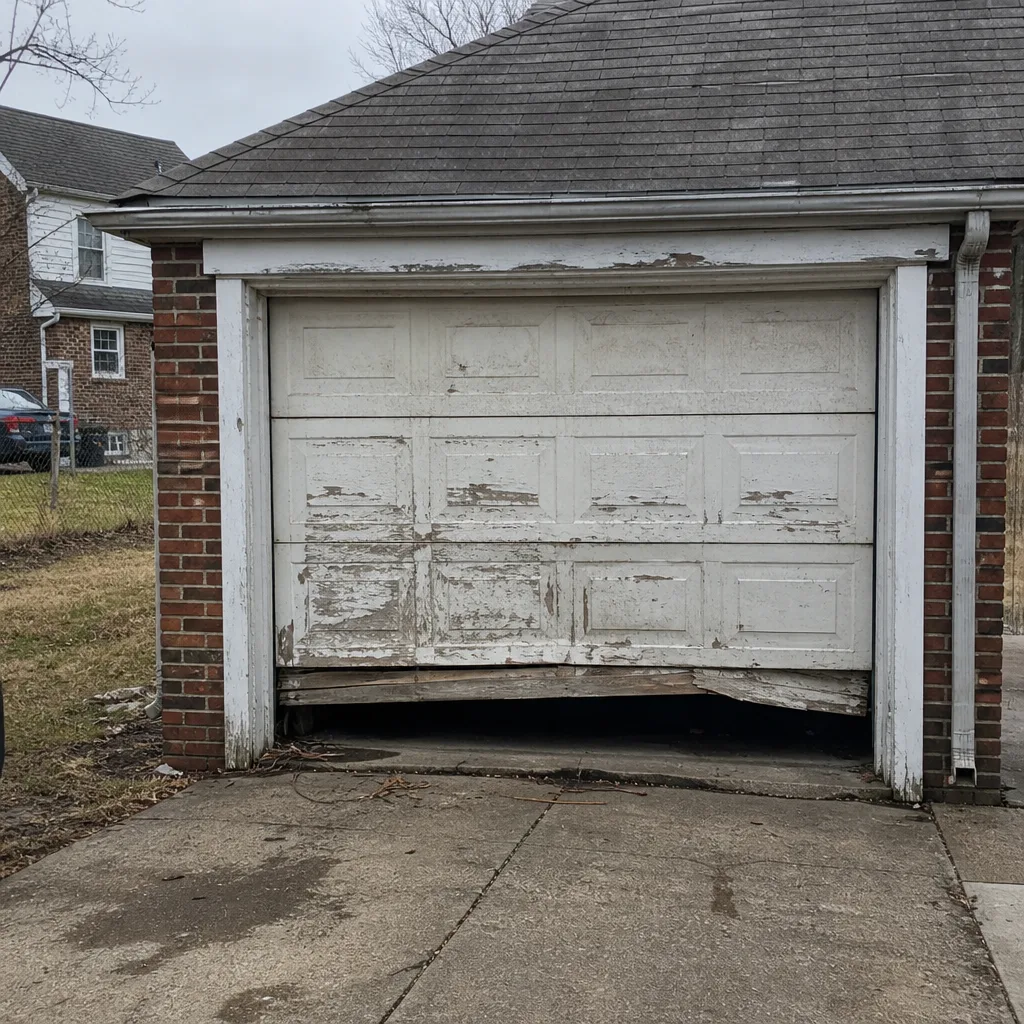 Before
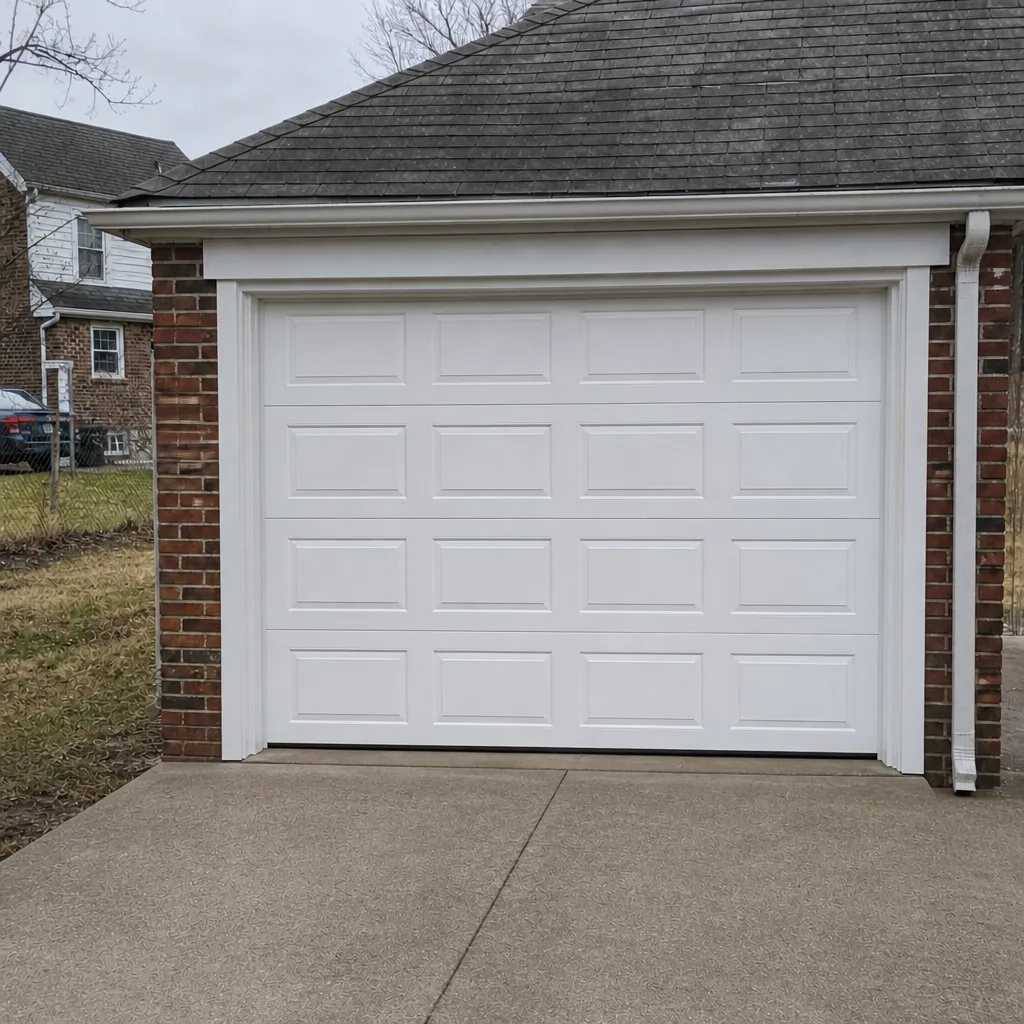 After
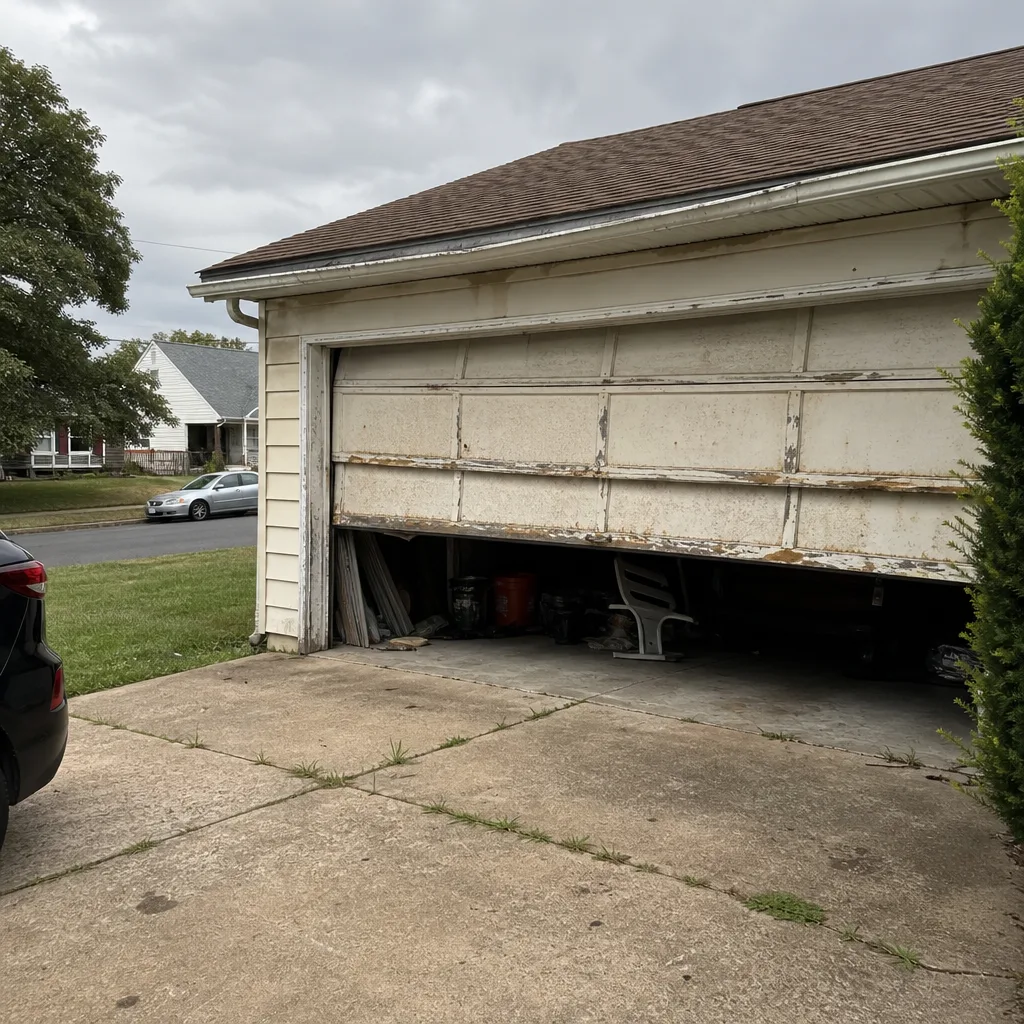 Before
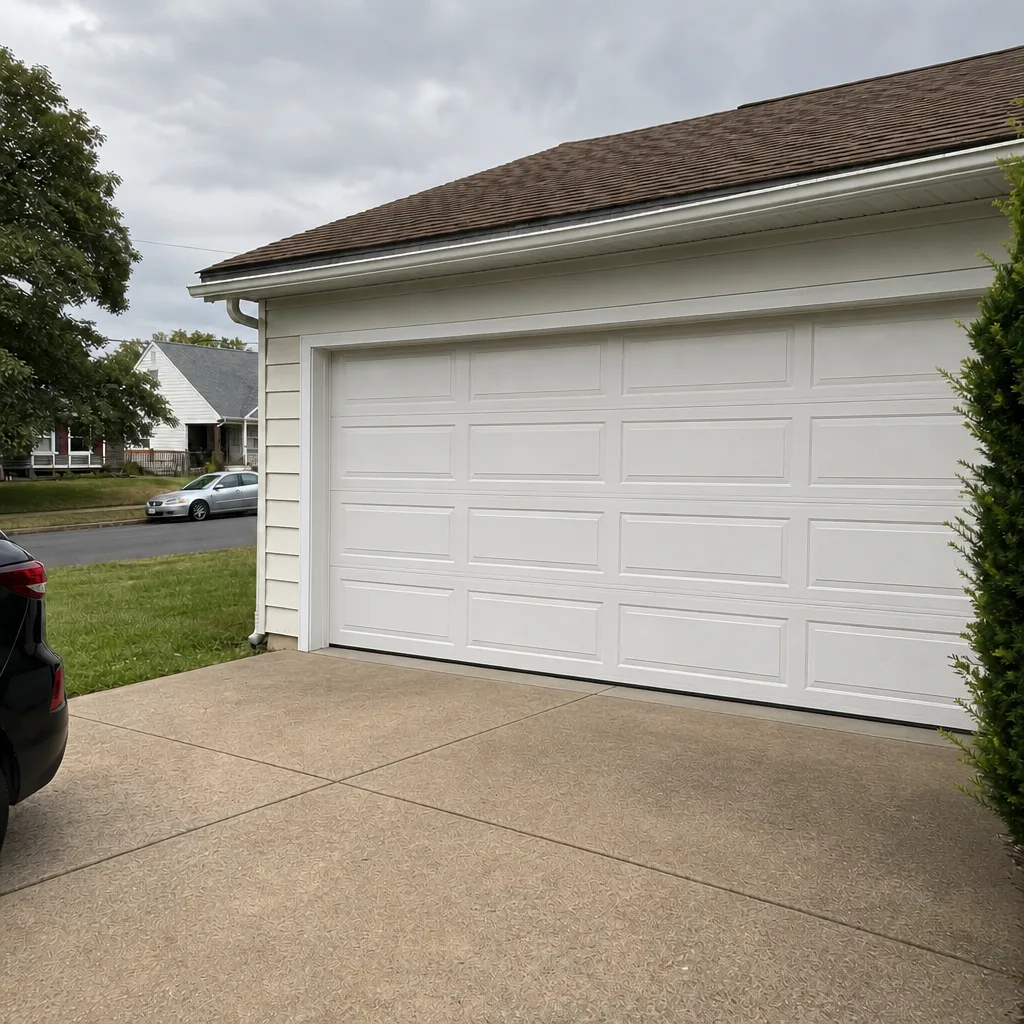 After
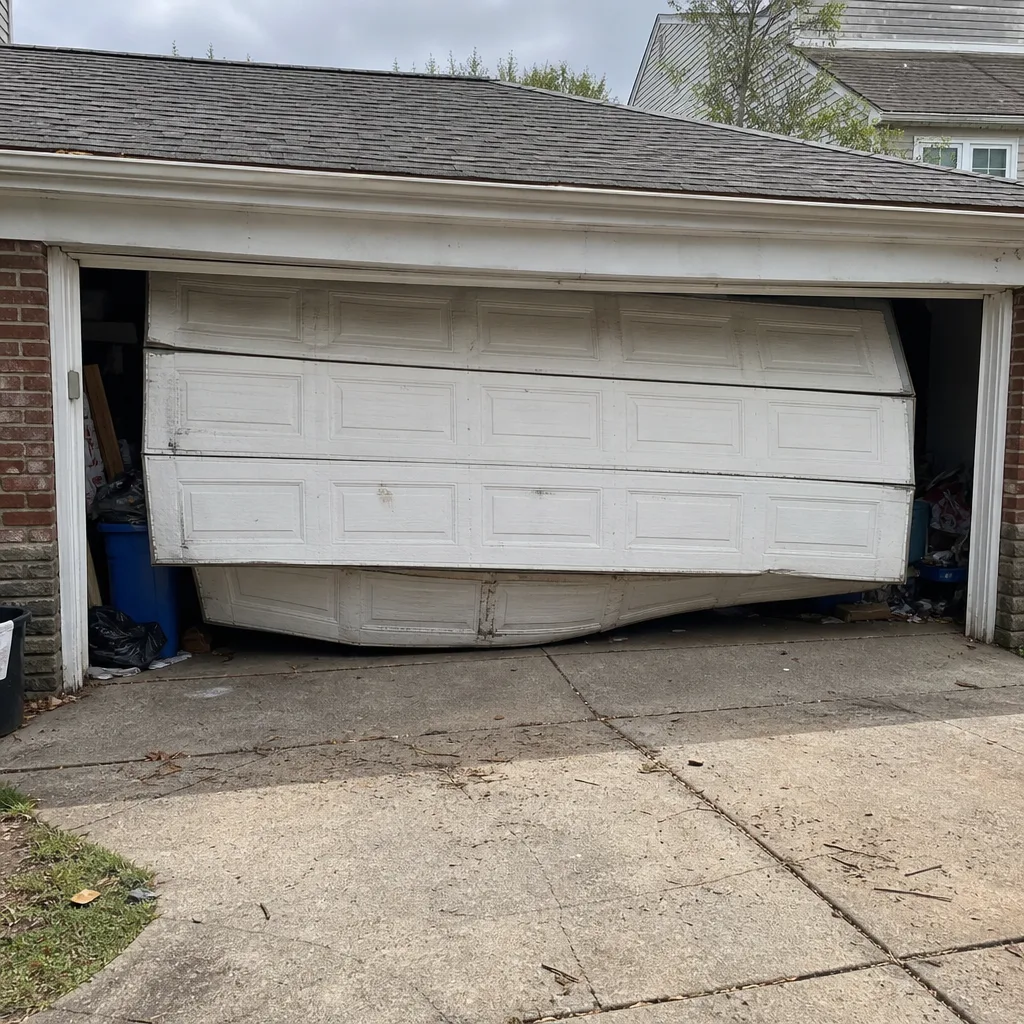 Before
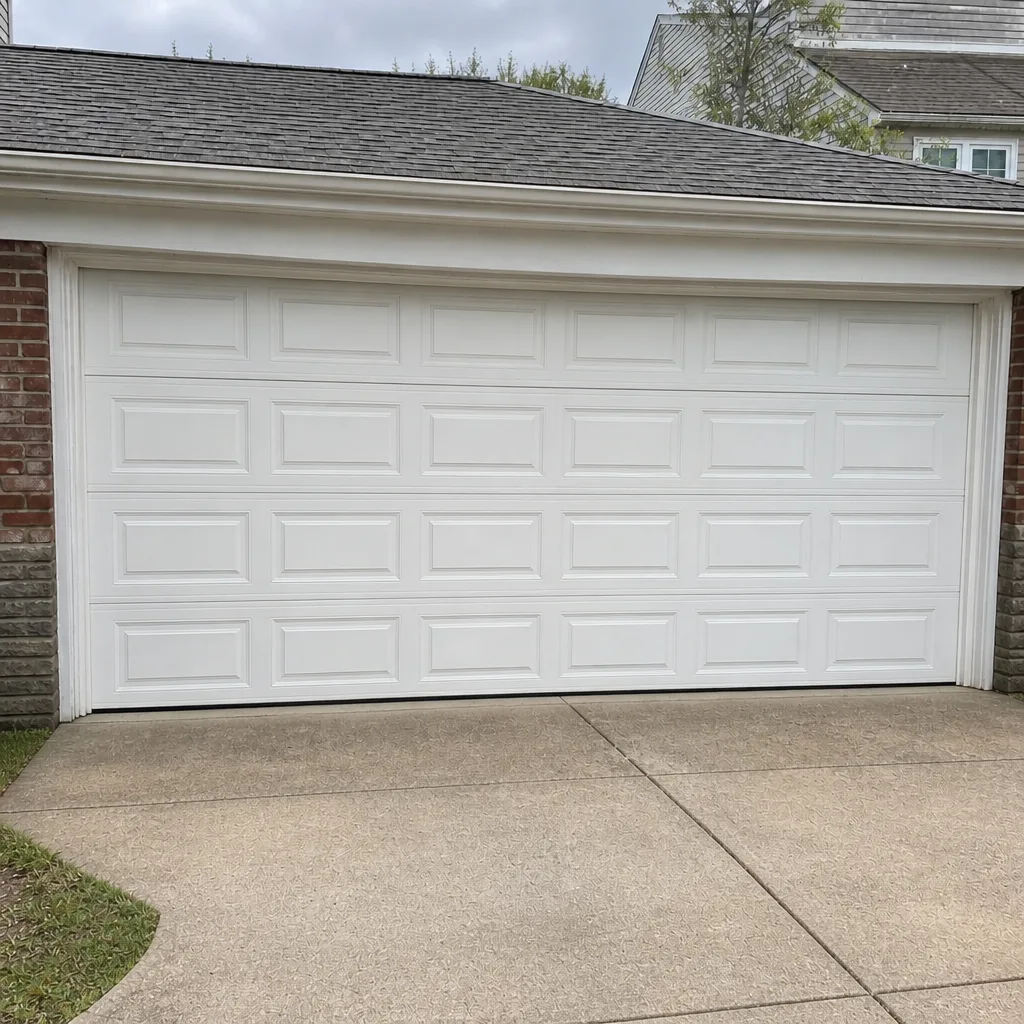 After
When to Call a Professional
Most of the seasonal checklist is safe for a homeowner with a flashlight and a notepad. A few things are not, and a few situations deserve a specialist even if the task looks simple. Call a professional if you find a broken or visibly fatigued spring, a frayed or slack cable, a door that won’t balance, a track that’s clearly out of plumb, or an opener that reverses, grinds, or won’t secure the door. Call immediately if a door is stuck open or won’t close and the garage is your home’s main entry point. And call if you simply don’t trust your read on what you’re seeing. Diagnosis is part of the service. Garage Door Repair Northeast Philadelphia offers free estimates in Northeast Philadelphia, and you can reach us at (855) 337-1296. The written quote is the price, agreed before any work starts.
Frequently Asked Questions
Four times a year, once at each seasonal transition. Northeast Philadelphia’s temperature swing from summer humidity to single-digit winter nights is wide enough that a single annual tune-up leaves gaps. The October pre-freeze check and the March freeze-thaw inspection are the two most important. Call (855) 337-1296 if you want a professional to walk through the full seasonal checklist with you.
Because the fatigue usually starts in fall. As temperatures drop, steel contracts and the spring’s tension rises past what it sat at in summer. A spring already near the end of its life gets pushed past its threshold in October or November and snaps weeks later when a hard freeze hits. Fall is the moment to have spring tension checked, before the cold locks everything in place. Call (855) 337-1296 for a spring inspection before the freeze.
No, not until you’ve freed it. A frozen seal bonds the door to the concrete threshold, and running the opener against it tears the seal, strains the bottom panel, and overloads the opener. Stop the opener, break the ice bond gently, and confirm the seal is free before cycling the door. If the seal has already torn, replacement is straightforward and worth scheduling early.
Slower first-cycle speed on a cold morning is normal. A door that reverses partway, grinds or clicks, or closes and immediately reopens is not. Those symptoms point to the opener, the springs, or the cables, and they need a technician. Call (855) 337-1296 for a same-day diagnostic if the door won’t secure your home.
Track plumb and cable tension, first. The freeze-thaw cycle pulls tracks out of line and loosens hardware more than deep winter does, and a loose cable can drop a door suddenly. Run the balance test, look for gaps between the track and the door edge, and listen for new scraping or rattling. Any of those signals is worth a professional look.
Yes, for the brands we’re trained on: LiftMaster, Chamberlain, Genie, Clopay, Amarr, Wayne Dalton, Craftsman, and Raynor. Brand-specific diagnosis matters because failure patterns differ across manufacturers. Call (855) 337-1296 and tell us what you have; we’ll confirm we can service it before we book the visit. Estimates are free.
The Bottom Line
A garage door in Northeast Philadelphia is a four-season machine, and the door that lasts comes down to whether someone corrected the small things at each transition. Fall is the highest-leverage window: the pre-freeze adjustment is where spring fatigue gets caught before the cold. Winter is about not forcing a frozen seal and knowing when a sluggish opener is actually failing. March freeze-thaw is the track-and-hardware season, and July heat is when wood panels and aluminum tracks and springs need a second look. Set the 15-minute seasonal walk-through on your calendar, follow the five-step routine, and call a professional at the first sign of a broken spring or a door that won’t secure. When the door won’t move, we do.
Schedule Your Free Estimate
Whether you’re due for a fall pre-freeze check, a March track and cable inspection, or a conversation about a door that’s past its service life, we’re ready to help. Garage Door Repair Northeast Philadelphia connects homeowners with vetted local professionals who specialize in garage door repair, opener repair, spring repair, and full installation. Estimates are free, the quote is agreed before any work begins, and we work on the brand you already have. Call (855) 337-1296 to schedule your free estimate today.
Written by the team at Garage Door Repair Northeast Philadelphia.