Last updated November 21, 2026
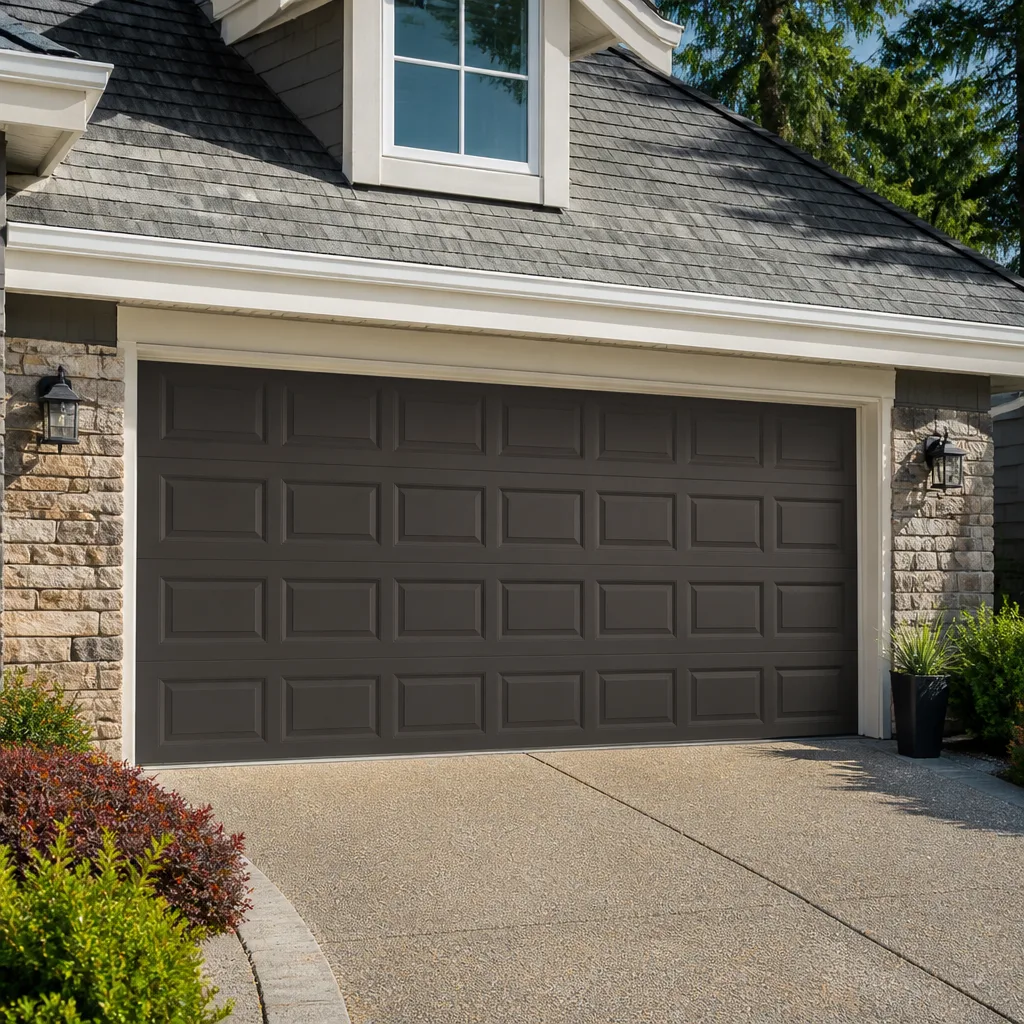 Raised-panel steel
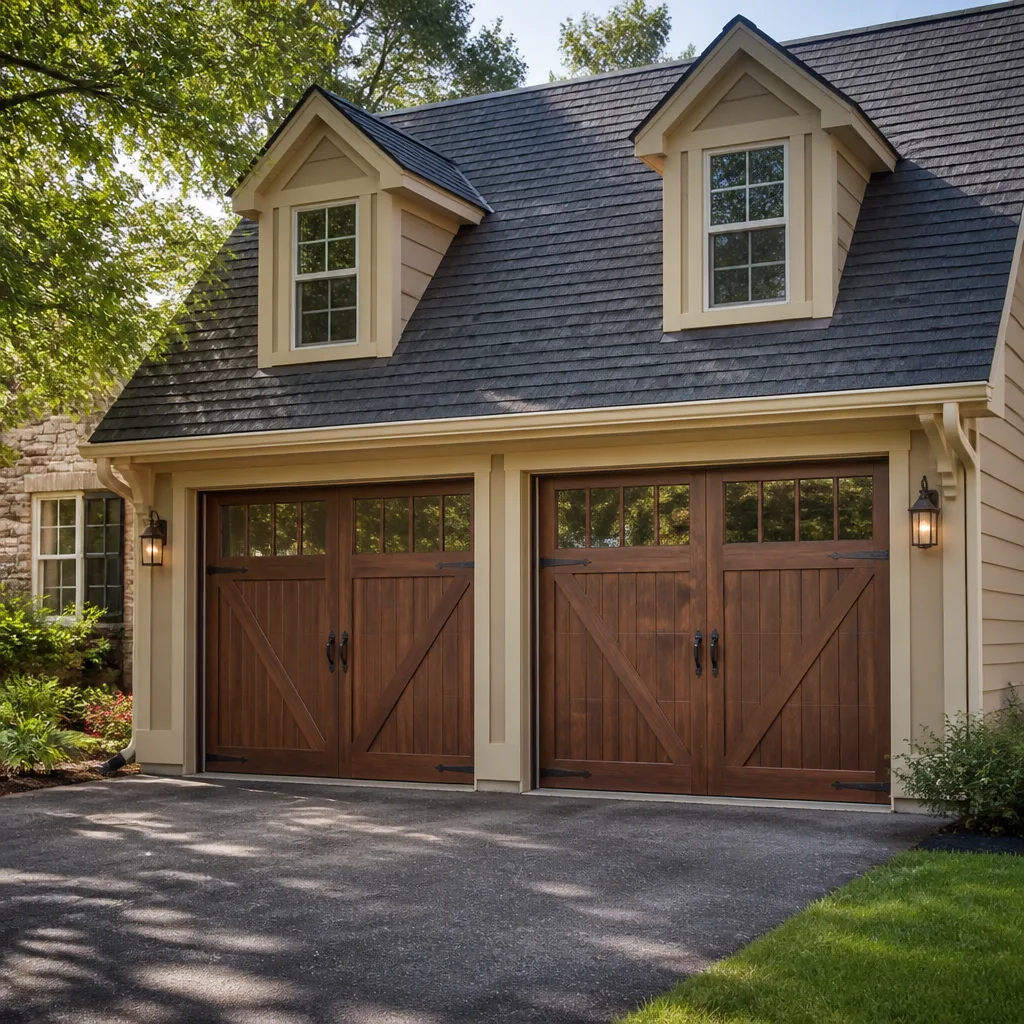 Carriage house
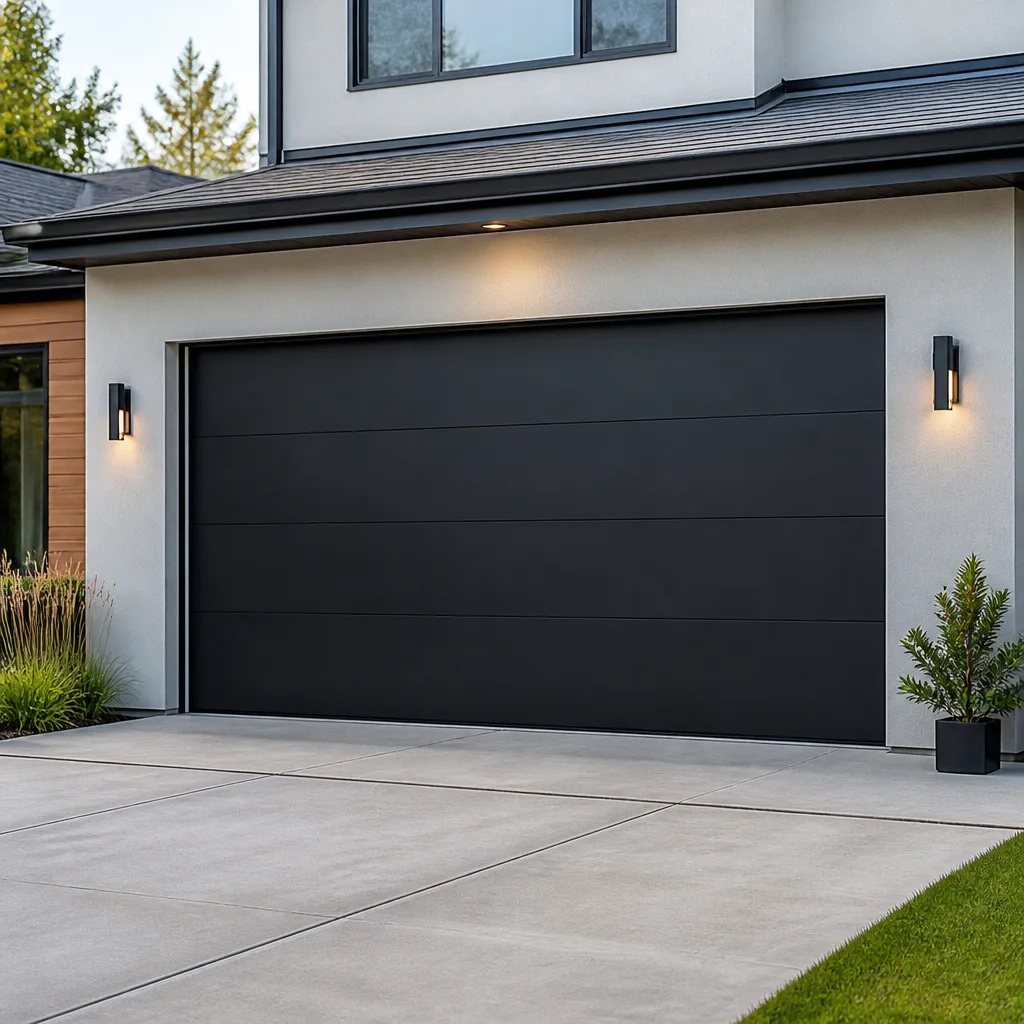 Modern flush
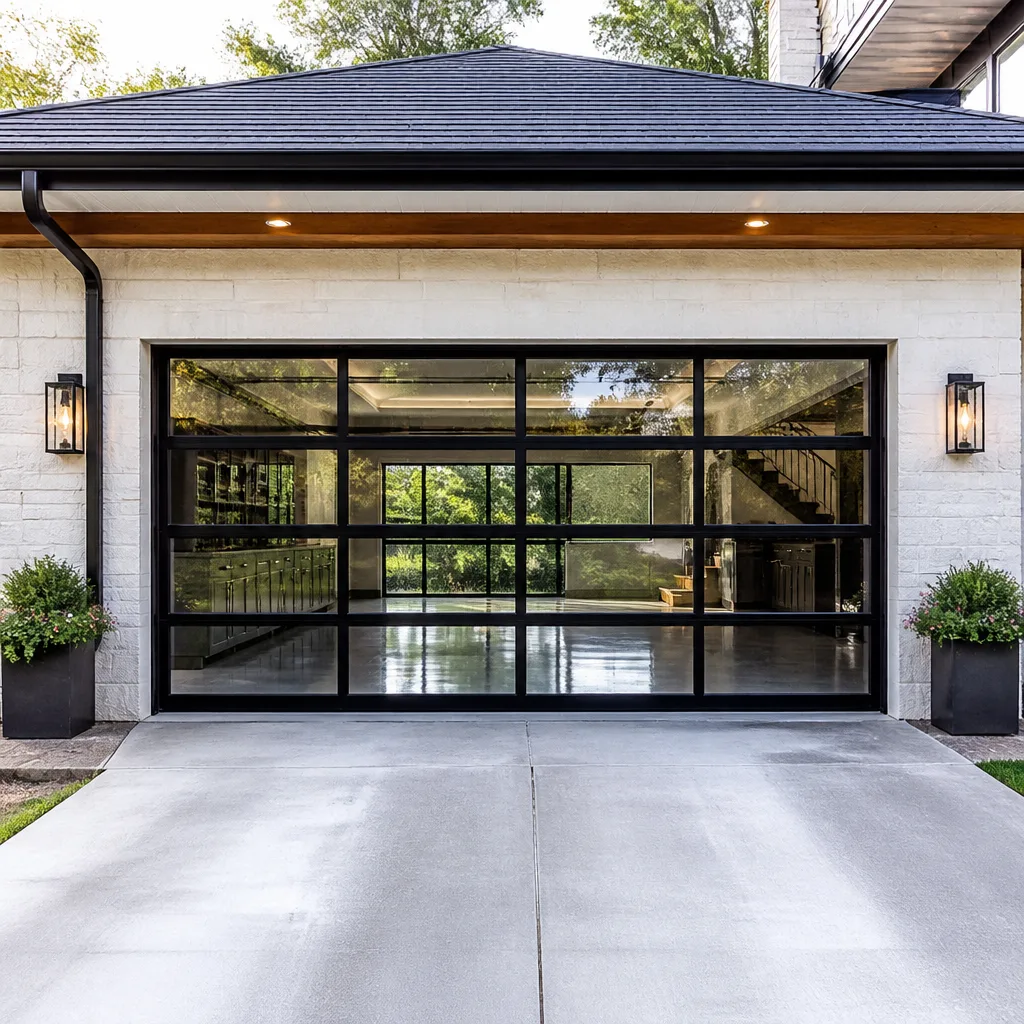 Full-view glass
 LiftMaster openers
 Chamberlain openers
Full 25-point door and opener safety check with every visit - springs, cables, rollers, tracks, and your LiftMaster or Chamberlain opener included
You get a price before we start. It does not change when the pro arrives.
Get your free estimateThe Complete Guide to Garage Doors in Northeast Philadelphia
Most Northeast Philadelphia homes went up between 1950 and 1980, and that single fact explains more garage door problems here than any brand manual. The door you see may be ten years old while the framing, the track anchors, and the header above it are twice that age and quietly carrying the load. That’s why a repair that seems straightforward on a newer house can turn into a different conversation in a Rhawnhurst rowhouse or a Mayfair twin. This guide walks the full lifecycle of a garage door through the conditions that actually exist in Northeast Philadelphia: freeze-thaw winters, attached garages with tight clearances, and an aging housing stock. You’ll learn how to tell repair from replacement, how to read a door during a home sale, and what brand and lead-time realities look like in the Philadelphia metro.
Quick Answer
In Northeast Philadelphia, most garage door problems trace back to worn torsion or extension springs, misaligned tracks, or an opener that’s nearing the end of its life – not to the door panel itself. Freeze-thaw cycles stress springs and bottom seals harder here than in drier climates, and in older attached garages the headroom and side clearance often limit which openers and doors will fit. The right move is a diagnosis based on your brand and the door’s age, not a guess.
Styles & brands we work with
- Raised-panel steel
- Carriage house
- Modern flush
- Full-view glass
- LiftMaster openers
- Chamberlain openers
Table of Contents
- How Freeze-Thaw Affects Garage Doors Along the I-95 Corridor
- Why Attached Garages in Rhawnhurst, Mayfair, and Fox Chase Change Your Options
- Repair, Tune-Up, or Replace? A Lifecycle Timeline by Door Age
- Reading a Garage Door During a Northeast Philadelphia Home Sale
- Brand Availability and Lead Times in the Philadelphia Metro
- Why Springs Are Not a DIY Job
- Troubleshooting: Is It the Opener or the Door?
- What Garage Door Work Typically Costs in Northeast Philadelphia
How Freeze-Thaw Affects Garage Doors Along the I-95 Corridor
Philadelphia winters swing above and below freezing repeatedly, and each swing works on your door’s moving parts. Water gets into seams, freezes, expands, and thaws. Metal contracts at night and expands by afternoon. Over a season, that cycle does more cumulative damage to springs and seals than a single deep freeze.
Torsion springs carry the door’s weight on a steel shaft above the opening. They’re wound under tension to counterbalance the door, so every cycle counts against their service life. Cold makes the steel less forgiving, and the constant load change from temperature shifts accelerates fatigue. A spring that would give years of service in a mild climate often fails sooner here. That’s why a door in a Northeast Philadelphia rowhouse can suddenly snap a spring on a cold morning with no warning.
Bottom seals take the brunt at ground level. Freeze-thaw opens cracks in the seal and the concrete apron beneath it, letting water wick in and rot the bottom section of wood doors. On older steel doors it starts the rust that creeps upward from the bottom edge.
What this means for Northeast Philadelphia homeowners:
- Springs age faster in cold. If your door is over eight years old and the springs have never been replaced, have them inspected before winter.
- Seals are a seasonal wear item. A cracked bottom seal lets in water, cold air, and pests. It’s one of the least expensive fixes that protects everything above it.
- Track anchors loosen. Repeated freeze-thaw can work lag bolts loose in older garages, and a loose track throws the door off balance.
- Lubrication matters more. Cold stiffens hinges, rollers, and the spring coils. A proper tune-up before the cold sets in keeps the door moving smoothly.
We work on these conditions all winter across Northeast Philadelphia, and the pattern is consistent: the door that got a fall tune-up holds up, and the one that didn’t is the one that calls in January.
Why Attached Garages in Rhawnhurst, Mayfair, and Fox Chase Change Your Options
Most of the housing in Northeast Philadelphia is rowhouses and twins with attached or built-in garages. That construction is efficient, but it creates constraints that a detached suburban garage doesn’t have, and those constraints shape every choice from opener to new door.
Headroom. Built-in garages under the main floor often have limited clearance above the door. A standard sectional door needs a certain amount of overhead track space, and some rowhouse garages don’t have it. That pushes you toward low-headroom track configurations or a different door type entirely. An opener selection depends on this too, since a ceiling-mounted unit needs room to hang.
Side clearance. Rowhouses share walls, and the garage is often tight against one side. That limits how much horizontal track can extend back, and it affects where a torsion bar can be mounted. In some twins, the door is squeezed into a space where the spring assembly has to be positioned with care to stay clear of the structure.
Structural age. The framing and header that hold your door’s track are older than the door on homes built between 1950 and 1980. Before a new door goes in, those anchors need checking. A door that fits perfectly in a new build can require adjustment in a 1960s Mayfair rowhouse because the opening isn’t quite square anymore.
Opener choice. With tight clearances, a jackshaft opener that mounts on the side of the torsion shaft sometimes fits where a ceiling unit won’t. It’s a real advantage in low-headroom attached garages, and it’s the kind of thing a specialist checks before recommending an opener.
In our experience, homeowners in these neighborhoods get better results when the measure includes the garage’s structure, not just the door’s dimensions. A technician who knows Northeast Philadelphia construction asks about headroom and side clearance first, then talks brands. Single-trade focus matters here – every technician is a garage door technician, not a generalist who handles doors on the side.
Repair, Tune-Up, or Replace? A Lifecycle Timeline by Door Age
The decision to repair, tune up, or replace isn’t about how the door looks. It’s about the door’s age bracket and the pattern of what’s failing. Here’s how we think about it for the door ages common in Northeast Philadelphia.
0-10 years: repair and tune
A newer door mostly needs maintenance and the occasional fix. Springs, rollers, and hinges wear on a schedule, and a tune-up resets them. If something fails, it’s usually a single component – a snapped spring, a bent track section, a noisy roller. Repair is almost always the answer.
10-20 years: repair what fails, watch the whole system
This is where doors in Northeast Philadelphia’s 1950-1980 housing stock often land after a replacement or two. Components start failing together. The opener may be original to the door and, if it’s a LiftMaster or Craftsman unit of that era, it may be near the end of reliable service. You can still repair individual parts, but it’s worth asking whether a new opener makes more sense than chasing failures one at a time.
20-plus years: weigh replacement against repair
Once a door reaches this bracket, the panels, the springs, the tracks, and the opener have all lived full lives. A single repair still makes sense if the door is otherwise sound, but if you’re repairing something significant every season, replacement usually costs less over a few years and gives you a quieter, safer door with modern safety features.
A simple way to frame the decision:
- Count the failures. One failure in a year is normal. Three or more means the door’s components are wearing out together.
- Check the opener age. Openers have their own service life, separate from the door’s. An old opener paired with a new door is a mismatch.
- Look at the bottom section. Rust or rot creeping up from the bottom edge can’t be repaired – it means the panel is going.
- Ask about balance. A door that won’t stay balanced even after adjustment may have structural problems in the panels or track.
For the repair side of this, our garage door repair service covers the diagnosis and the fix. When the door has reached the end of its life, we move into replacement planning – measured first, priced in writing, scheduled once the door is ordered.
Reading a Garage Door During a Northeast Philadelphia Home Sale
Northeast Philadelphia’s real estate market moves, and buyers inspect garages with more attention than sellers expect. A garage door that works smoothly and quietly reads as a well-maintained house. A door that jerks, rattles, or won’t stay open reads as deferred maintenance, and buyers negotiate accordingly.
If you’re selling, walk through this checklist before listing:
- Operate the door through its full cycle. Does it open and close smoothly, or does it pause and shudder? Stuttering usually signals a failing spring or a binding track.
- Test the safety reverse. Put an object in the door’s path and confirm it reverses. A door that fails this is a safety problem a buyer’s inspector will flag.
- Listen for noise. Grinding or scraping means worn rollers, dry hinges, or a misaligned track.
- Check the bottom seal. A cracked or missing seal on an older door is a small repair that protects the sale.
- Look at the springs. Rust, gaps in the coil, or a visible break are red flags. Don’t try to adjust them yourself.
If you’re buying, the same list applies, plus one more: check whether the door and opener are a matching, working pair. In older Northeast Philadelphia homes, you’ll sometimes find a newer door on an ancient opener, or an older door with a garage-door opener from a discontinued line. Knowing that before closing helps you budget.
For a door that needs real work before or after a sale, a professional assessment is quick and gives you a written picture to work from. We’re happy to help sellers and buyers understand what they’re looking at.
Brand Availability and Lead Times in the Philadelphia Metro
What you can get, and how fast, depends on whether you shop the big-box store or a local distributor – and the difference matters more for installation than for repair.
Big-box stores stock a limited number of opener models and a handful of door sizes. If your opening is standard, you can walk out with a box. If it isn’t – and in Northeast Philadelphia’s older rowhouses it often isn’t – you’ll wait. Custom sizes and non-standard configurations are where the big-box route stalls.
Local distributors serve the trade and carry the brands contractors install. That means the full range of opener styles, including jackshaft units for tight spaces, and a broader selection of door panels, insulation levels, and window configurations. Lead times depend on the specific model and finish rather than a fixed shelf stock. The practical difference: a distributor can get the door that fits your opening, and the big-box store can get you a door that almost fits.
We’re trained and equipped to service and install LiftMaster, Chamberlain, Genie, Clopay, Amarr, Wayne Dalton, Craftsman, and Raynor products. When we recommend a door or opener, it’s from that list, because we know how each brand behaves over time. A Wayne Dalton door and a Raynor door both work, but they wear differently, and their service needs diverge. That familiarity is why we can diagnose by brand rather than by trial and error.
For a replacement, the process is measured and scheduled:
- Free measure. We measure the opening, check headroom and side clearance, and confirm what fits the garage.
- Written price. You get a written estimate before anything is ordered, with the door and opener model spelled out.
- Order. The door is ordered from the distributor once you approve the price.
- Install. We schedule the installation around the delivery, and the old door comes down as the new one goes in.
Our garage door installation work follows that order every time. It’s the difference between a door that fits your garage and one that fits a shelf.
Why Springs Are Not a DIY Job
Torsion and extension springs are the most dangerous parts of a garage door, and they’re where we see the worst homeowner injuries. A torsion spring is wound under extreme tension – enough to lift a door weighing hundreds of pounds. When one fails during winding, the energy releases at once. Extension springs, common on older doors, can snap and fly. Neither is a job for a homeowner with a set of wrenches.
What you should know instead of how to do it:
- A broken torsion spring usually shows as a visible gap in the coil. If you can see a section of the spring separated from the rest, it’s broken and the door should not be operated.
- A broken extension spring can let a door drop fast. If a door slams down or won’t lift, stop using it.
- Never run the opener on a door with a broken spring. The opener motor can pull the door up but can’t hold it safely, and it will strain or damage the opener.
- Leave adjustment and replacement to a trained technician. The tension in a spring is not something to check by feel or test by hand.
When we replace springs, we match the spring to the door’s weight – not to whatever’s on the shelf. A door that’s had the wrong spring installed runs out of balance, and that’s when openers fail and tracks wear out. Spring repair is a named service for us because it’s the high-stakes job we want to do right. When the door won’t move, we do.
Troubleshooting: Is It the Opener or the Door?
When a door won’t open or close, the cause is usually one of two things: a door problem or an opener problem. The two produce different symptoms, and telling them apart saves time and money. This is a diagnosis guide, not a repair guide – the fix belongs to a technician, especially where springs and electrical work are involved.
Signs the problem is the door
- The door is heavy to lift by hand.
- It binds or rubs on one side.
- It comes down crooked.
- You can see a broken spring.
- The door won’t stay in place when opened manually.
Signs the problem is the opener
- The opener runs but the door doesn’t move.
- The door moves only a few inches and reverses.
- The remote or wall button doesn’t respond, but the door operates by hand.
- You hear the motor running with no motion and a grinding sound.
- The opener’s safety sensors are misaligned or blocked.
Identifying your brand helps here. A LiftMaster opener that flashes a certain pattern on its control panel is signaling a specific fault, and a technician who knows the brand reads that code directly. A Craftsman or Genie unit has its own diagnostic language. That’s the value of brand familiarity – it turns a guessing game into a diagnosis. For opener work specifically, our garage door opener repair team handles the full range of units we service.
If your door won’t open at 7 a.m. or won’t close at night, that’s an emergency in a real sense. A door stuck open leaves a home exposed; a door stuck closed leaves a car trapped. Emergency garage door service exists for exactly this, and it’s a core offering for us, not an upsell. When the door won’t move, we do.
What Garage Door Work Typically Costs in Northeast Philadelphia
Prices below are typical estimates for the Northeast Philadelphia market, not a final quote. Your written estimate sets the price, and you approve it before any work starts so there are no surprises when the invoice arrives.
- Torsion spring repair (one spring): $180-$340. A matched pair is usually replaced together, so a pair typically runs about twice that.
- Extension spring repair (one spring): $150-$300. Pairs often need replacing together as well.
- Off-track door repair: $150-$400, depending on track and roller damage.
- Opener repair or replacement: $150-$500, depending on whether it’s a repair or a new unit plus installation.
- New door installation: $900-$3,500, depending on door size, insulation, and material. A free measure and written estimate come first.
- Tune-up and adjustment: $100-$200.
Two things drive the price up or down. First, the door’s condition: a door that’s been neglected may need more than the obvious repair once we look closely. Second, the accessibility of the garage: a tight rowhouse setup with limited clearance can take longer to work in. We factor both into the estimate before we start.
On the invoice question: the price we quote and you approve is the price. If we find something unexpected mid-job, we stop and talk to you before doing any additional work. You’ll never get a bigger bill than the one you agreed to without hearing why first.
For an exact figure for your door, call (855) 337-1296 – estimates are free.
Common Mistakes to Avoid
- Ignoring the springs until they break. Springs give warning signs – rust, uneven tension, a door that feels heavier – and an annual look catches them before a cold-morning failure. In Northeast Philadelphia’s freeze-thaw winters, that inspection matters more than in a milder climate.
- Running the opener on a door with a broken spring. The motor will strain or fail, and you risk a door that comes down uncontrolled. Stop using the door and get it looked at.
- Buying a door from a big-box shelf without measuring your garage. In older rowhouses and twins, the opening isn’t always standard and the headroom is tight. A door that doesn’t fit your space is a costly mistake.
- Skipping the fall tune-up. A tuned door with fresh lubrication and balanced springs gets through a Northeast Philadelphia winter more reliably than one that wasn’t touched. It’s the cheapest insurance against an emergency call.
- Using a general handyman for spring or opener work. Garage doors are a specialty. A generalist may not know the brand-specific behavior of an opener or the correct spring for your door’s weight, and the wrong spring causes more problems than it fixes.
- Assuming a loud door is normal. Grinding, scraping, and rattling mean something is wearing. A quiet door is a healthy door, and chasing the noise early is cheaper than replacing the parts it damages.
- Letting a home sale catch you unprepared. If you’re selling in Northeast Philadelphia, get the door checked before listing. A failing safety reverse or a broken seal is a negotiation point buyers will use.
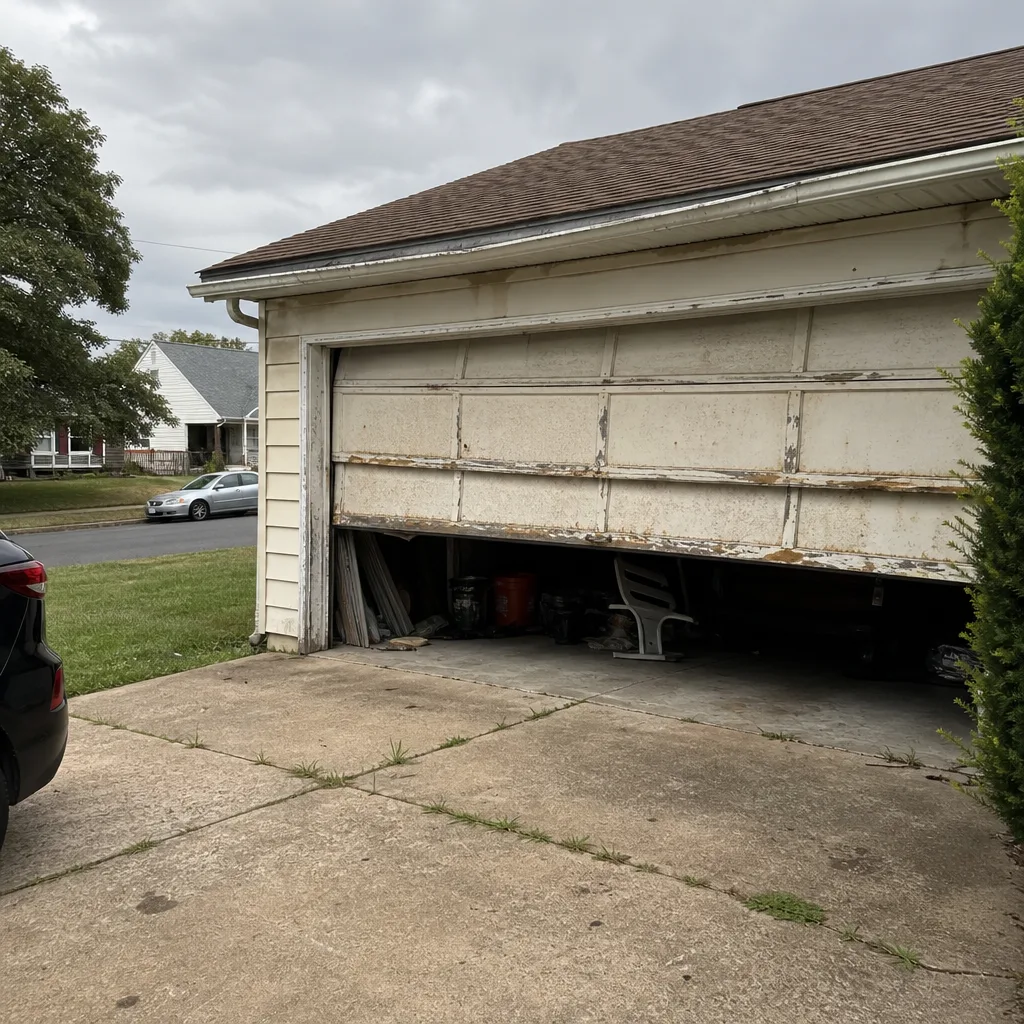
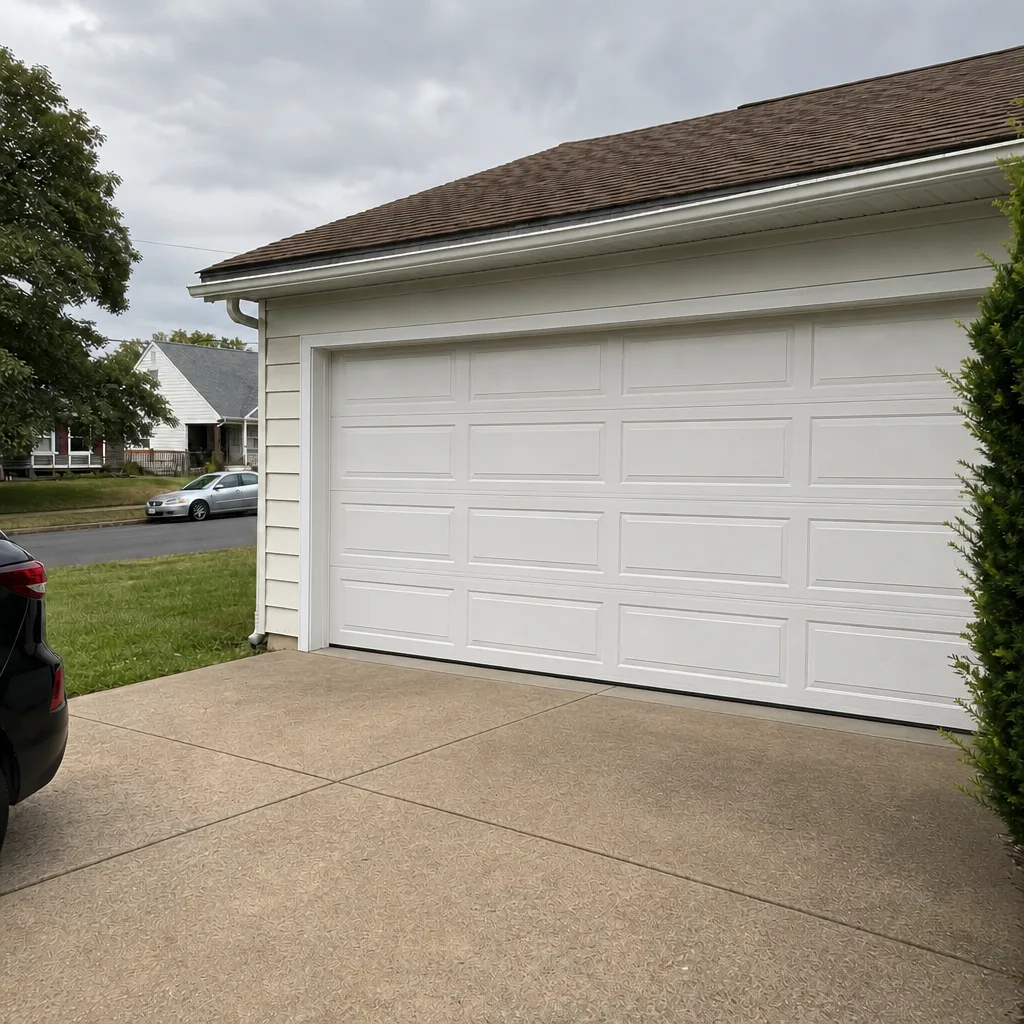
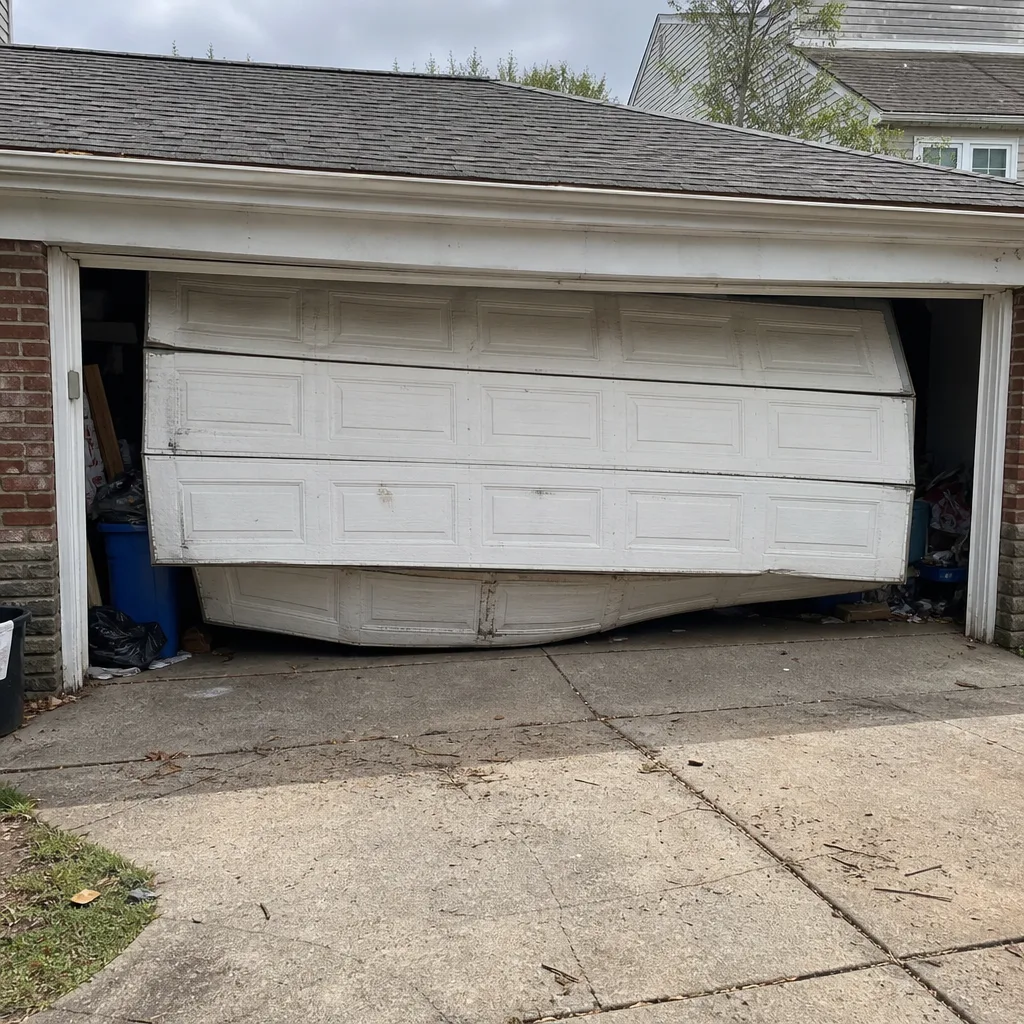
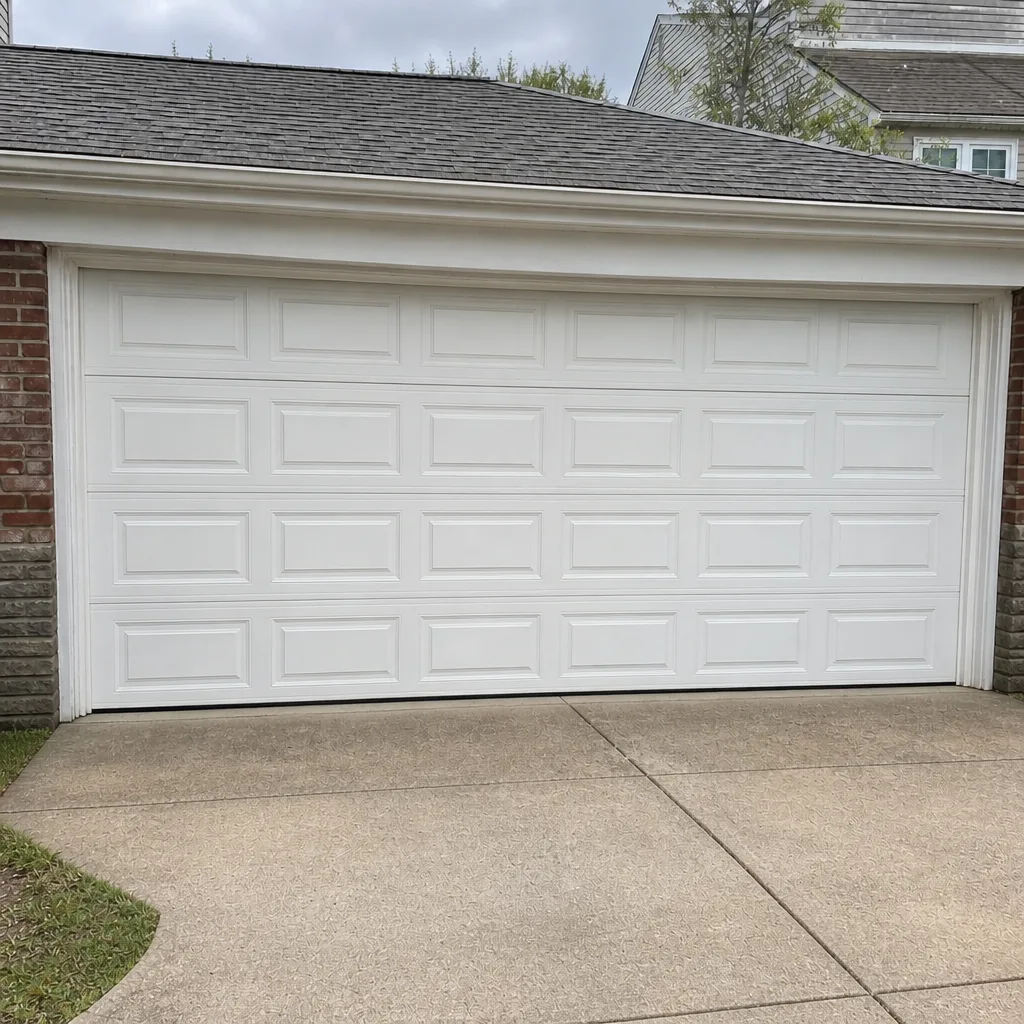
See the difference
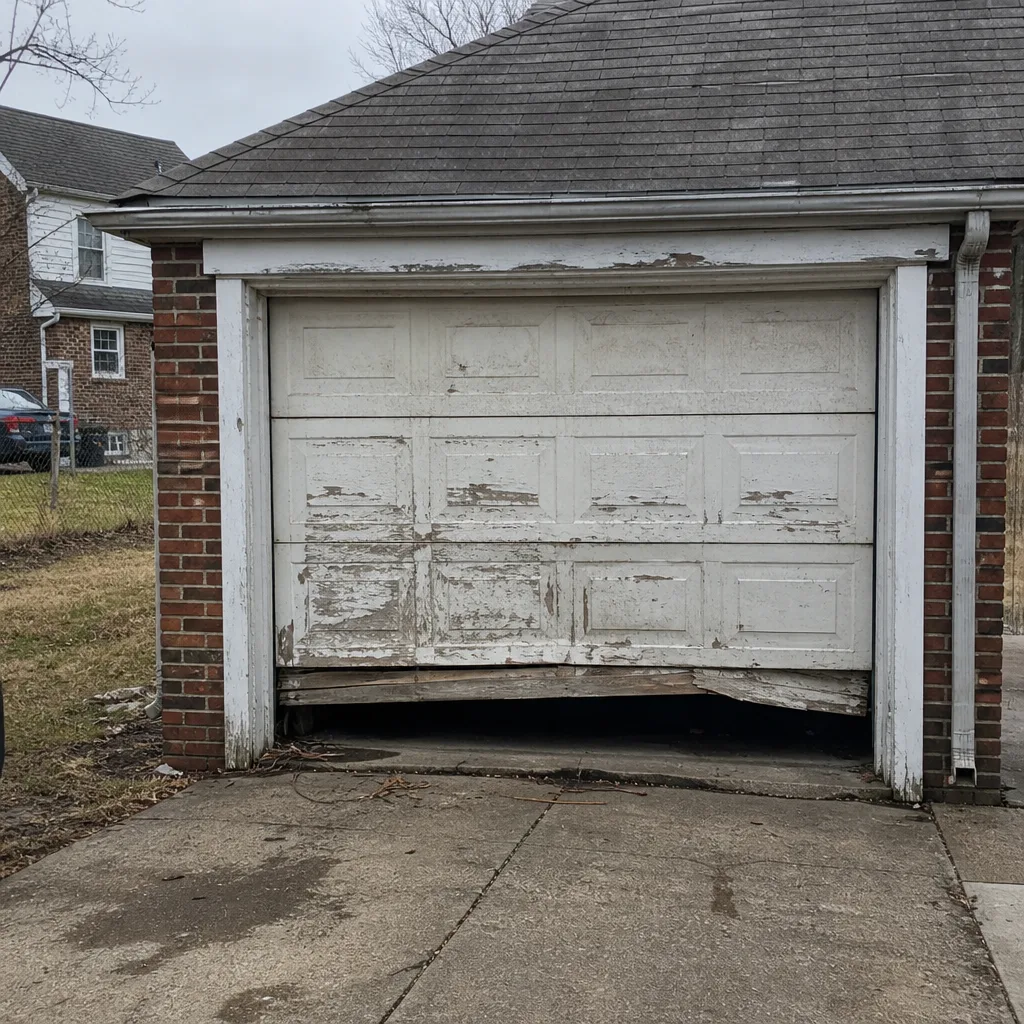 Before
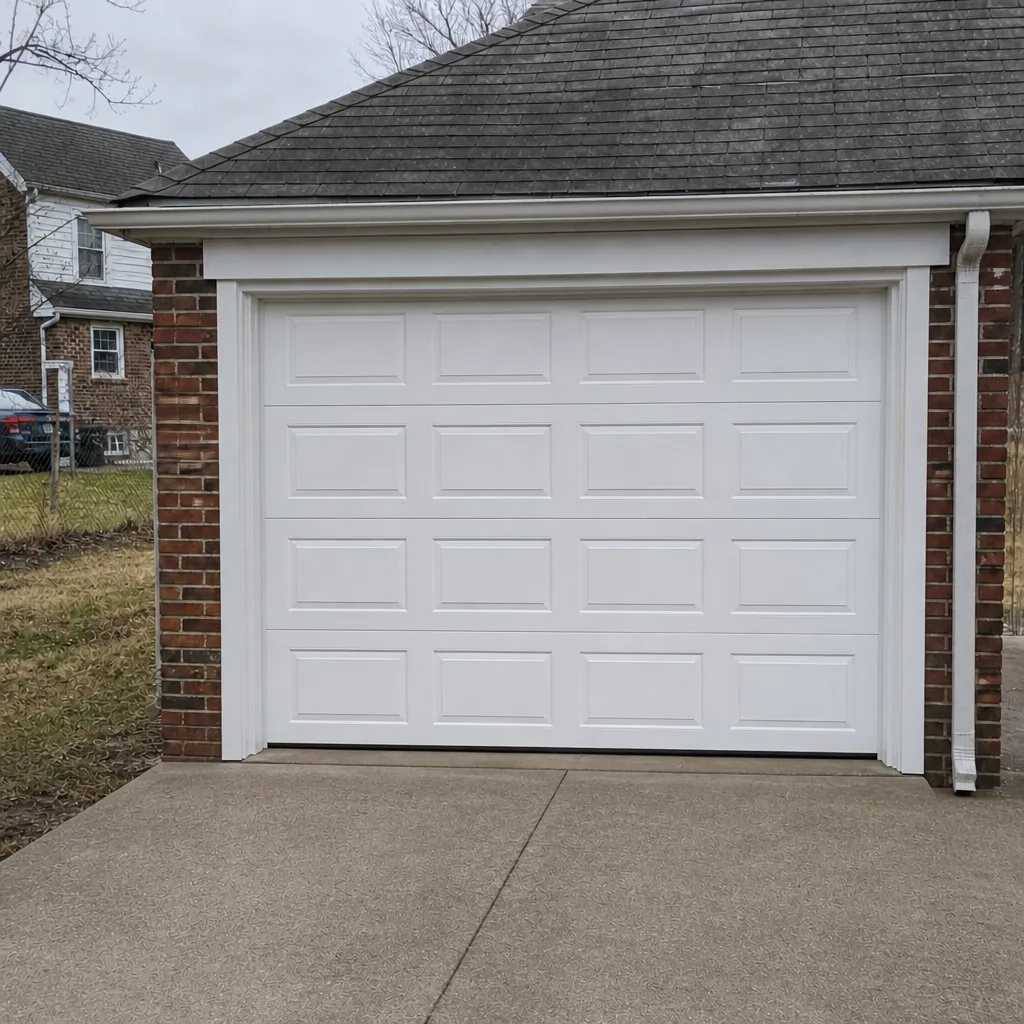 After
 Before
 After
 Before
 After
When to Call a Professional
Call a professional when the door won’t move, when a spring is visibly broken, or when the door comes down crooked. Don’t touch the springs yourself – that’s the one job that genuinely warrants a call every time. Call when the opener runs but the door doesn’t, when the door reverses before closing, or when you hear a grinding sound that won’t go away. And call when you’re planning a replacement, so the measure and the written price happen before you commit to a door. A trained technician handles the diagnosis, the safety check, and the repair, and you approve the price before any work starts. Garage Door Repair Northeast Philadelphia offers free estimates in Northeast Philadelphia – call (855) 337-1296. When the door won’t move, we do.
Frequently Asked Questions
Most garage door repairs in Northeast Philadelphia run between $150 and $400, with spring repair typically in the $180-$340 range for a single spring. The written estimate sets the final price, and you approve it before any work begins. Call (855) 337-1296 for an exact quote – estimates are free.
Yes. Emergency garage door service is a core offering for us, and a door that won’t open or won’t close is exactly the situation it’s built for. Call (855) 337-1296 and we’ll book you in as fast as we can, with the price quoted and agreed before any work starts.
No, not without your approval. We quote the price and you agree to it before work begins, and if we find something unexpected mid-job, we stop and talk it through before doing more. The written quote is the price. Call (855) 337-1296 for an exact estimate.
The local professionals we connect you with are licensed and insured as their state requires, and our technicians have up to 8 years of experience working on garage doors. Every technician is a garage door technician, not a generalist. Call (855) 337-1296 to book a free estimate.
Yes – we work on the doors and brands you already have, especially in the older attached garages common in Rhawnhurst, Mayfair, and Fox Chase. Older housing stock sometimes limits headroom and side clearance, so the diagnosis starts with the garage’s structure, not just the door. Call (855) 337-1296 and we’ll take a look.
We’re trained and equipped to service LiftMaster, Chamberlain, Genie, Clopay, Amarr, Wayne Dalton, Craftsman, and Raynor products. That range covers most of the doors and openers already installed in Northeast Philadelphia homes. Call (855) 337-1296 to confirm your model.
The Bottom Line
Your garage door’s problems in Northeast Philadelphia usually start with the conditions around it – freeze-thaw winters that wear springs faster, aging rowhouse construction that limits clearance, and an opener that’s lived its own long life. Diagnose by the door’s age and brand, not by guesswork. Repair the failing component while the rest of the system is sound, tune up before the cold arrives, and replace when the failures come too often. And leave spring work to a trained technician. For help at any stage, from a single repair to a full installation, call (855) 337-1296 for a free estimate. One trade, done right.
Written by the team at Garage Door Repair Northeast Philadelphia.