Last updated November 21, 2026
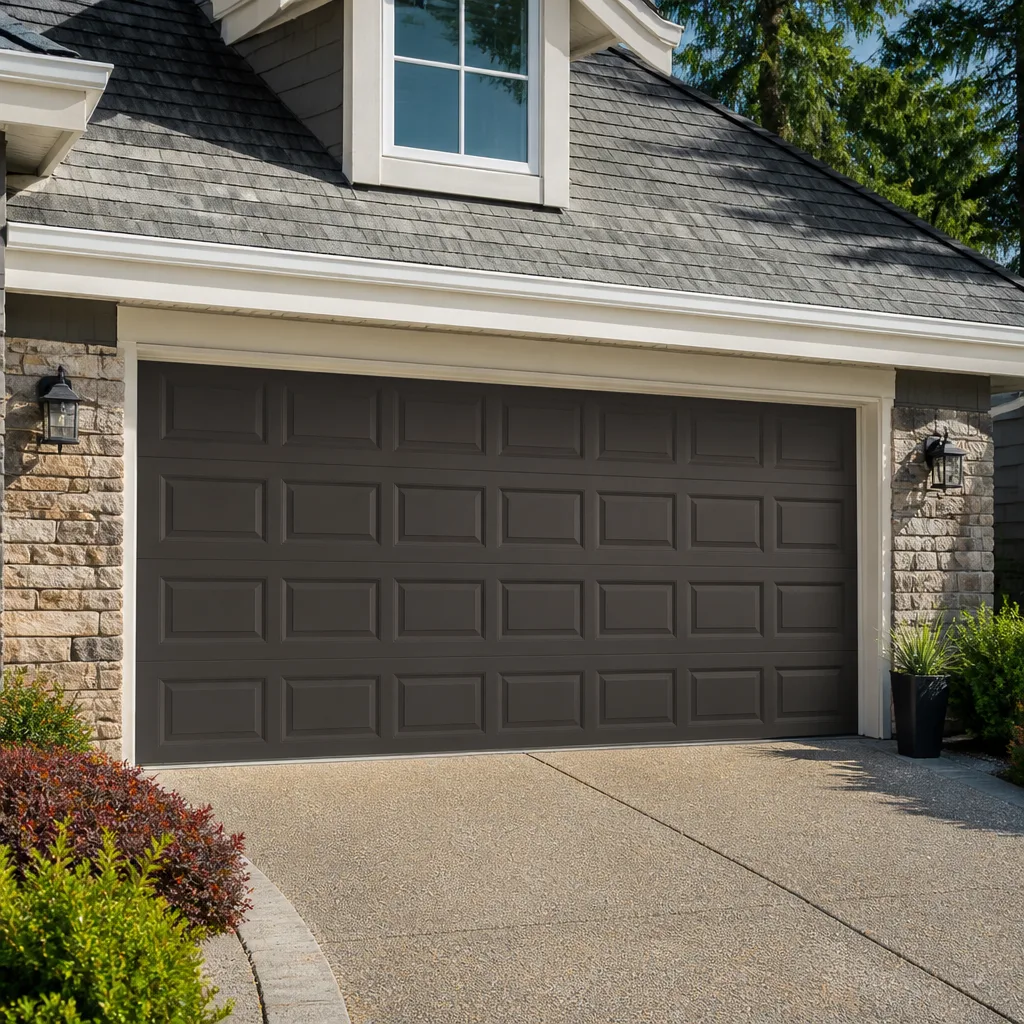 Raised-panel steel
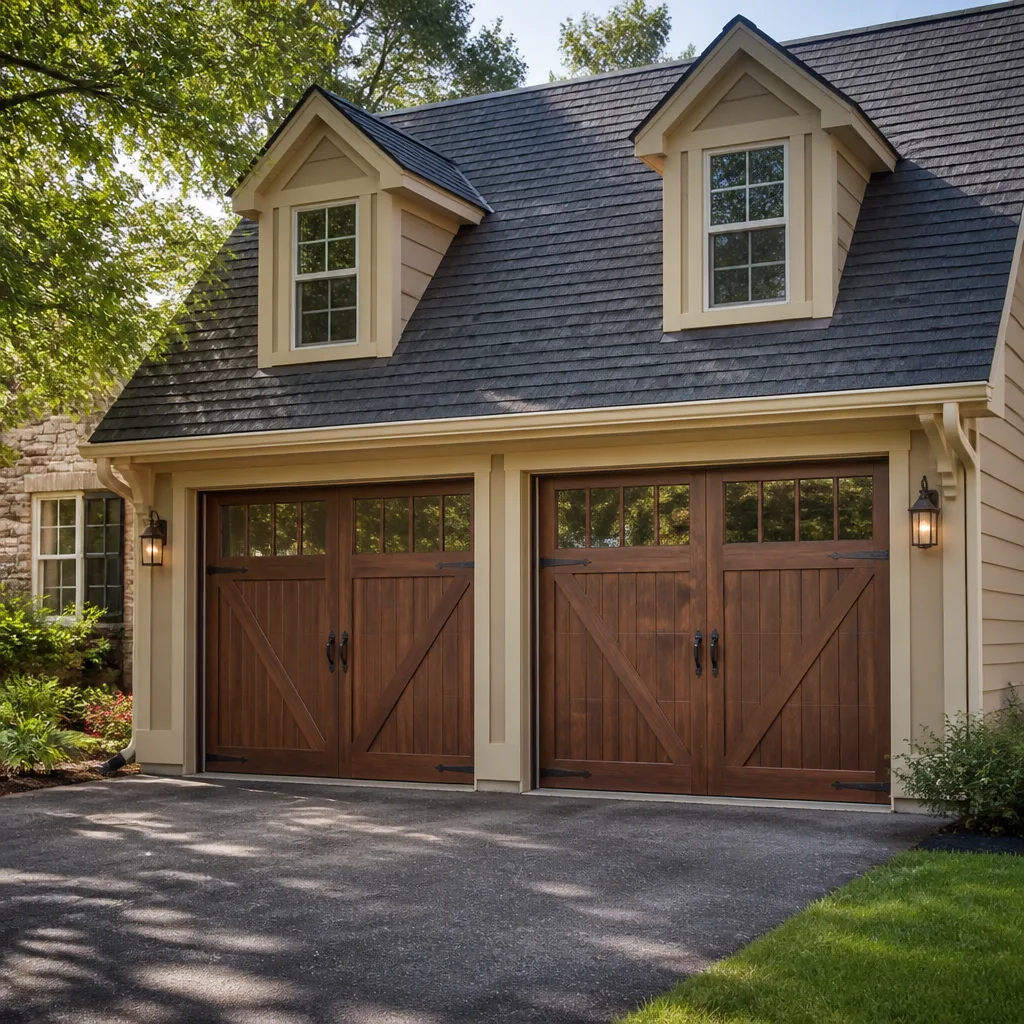 Carriage house
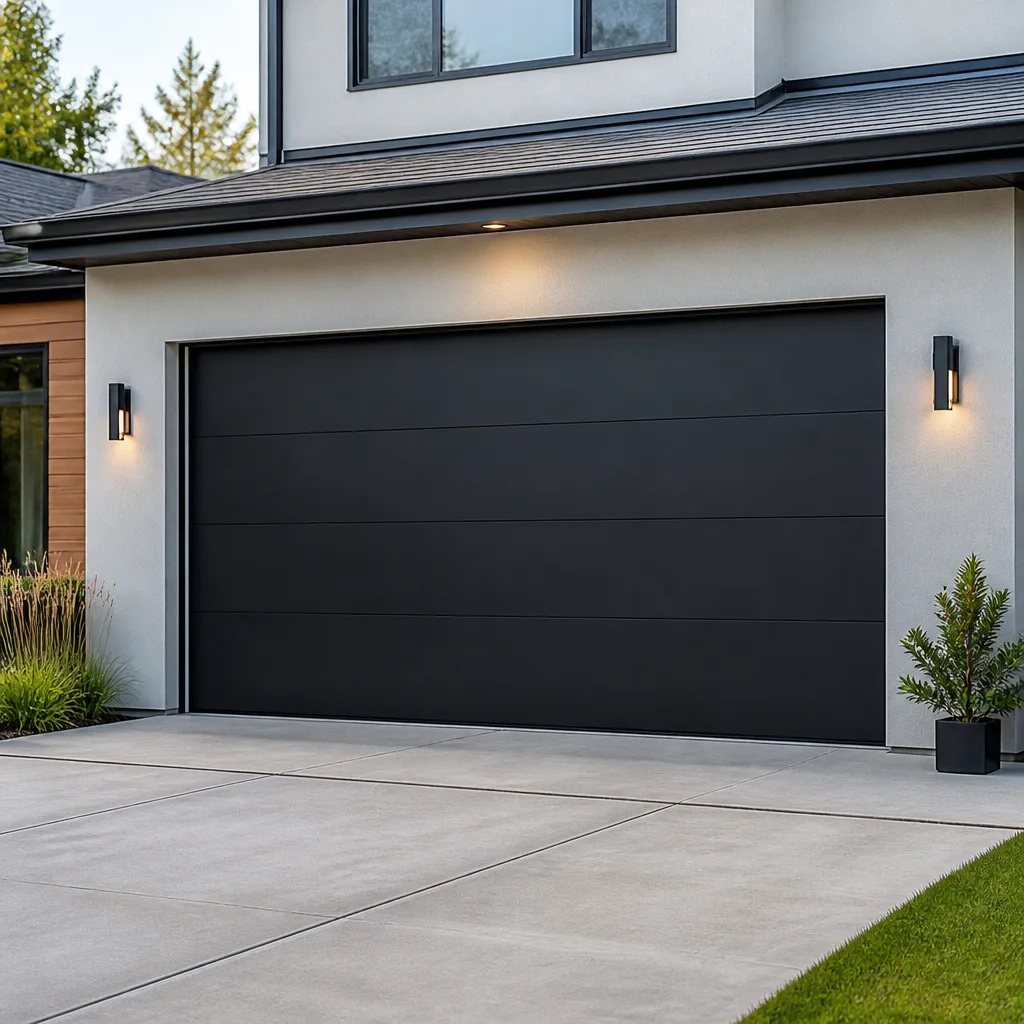 Modern flush
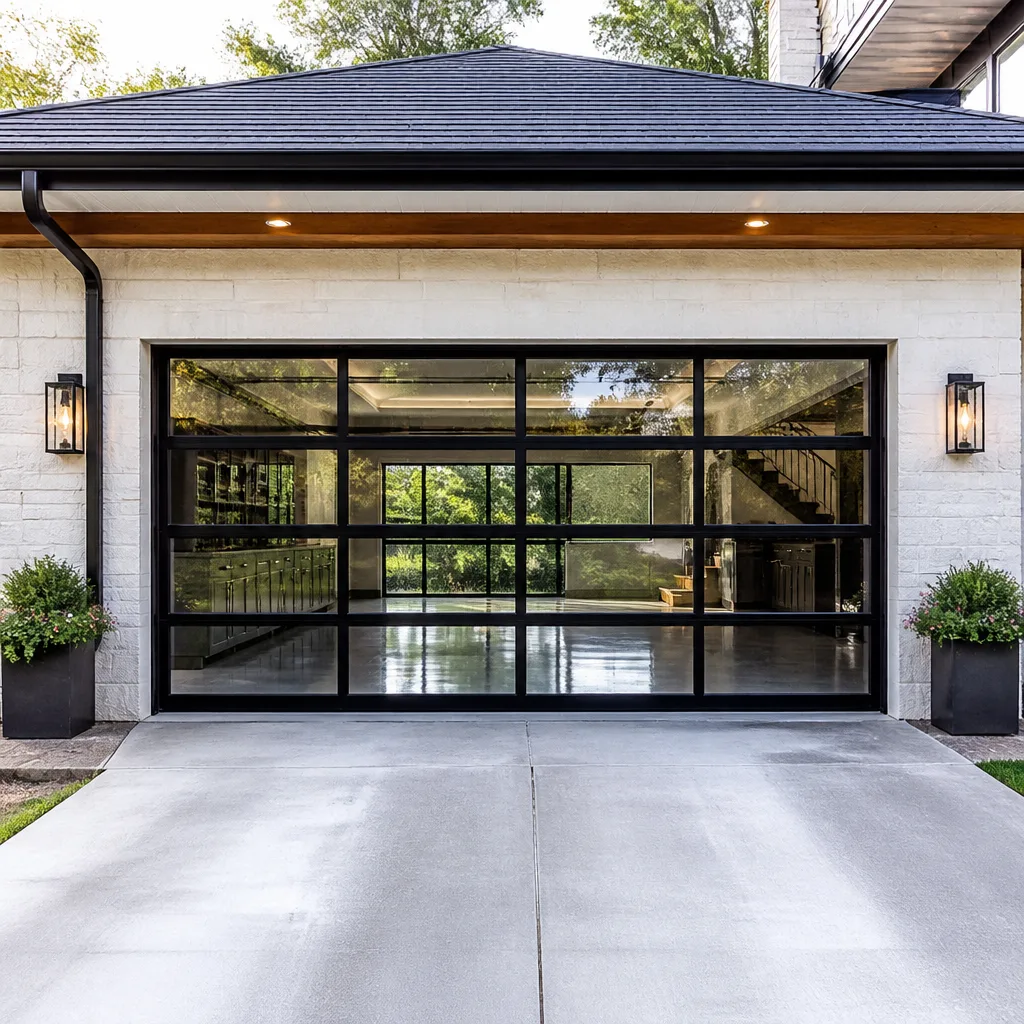 Full-view glass
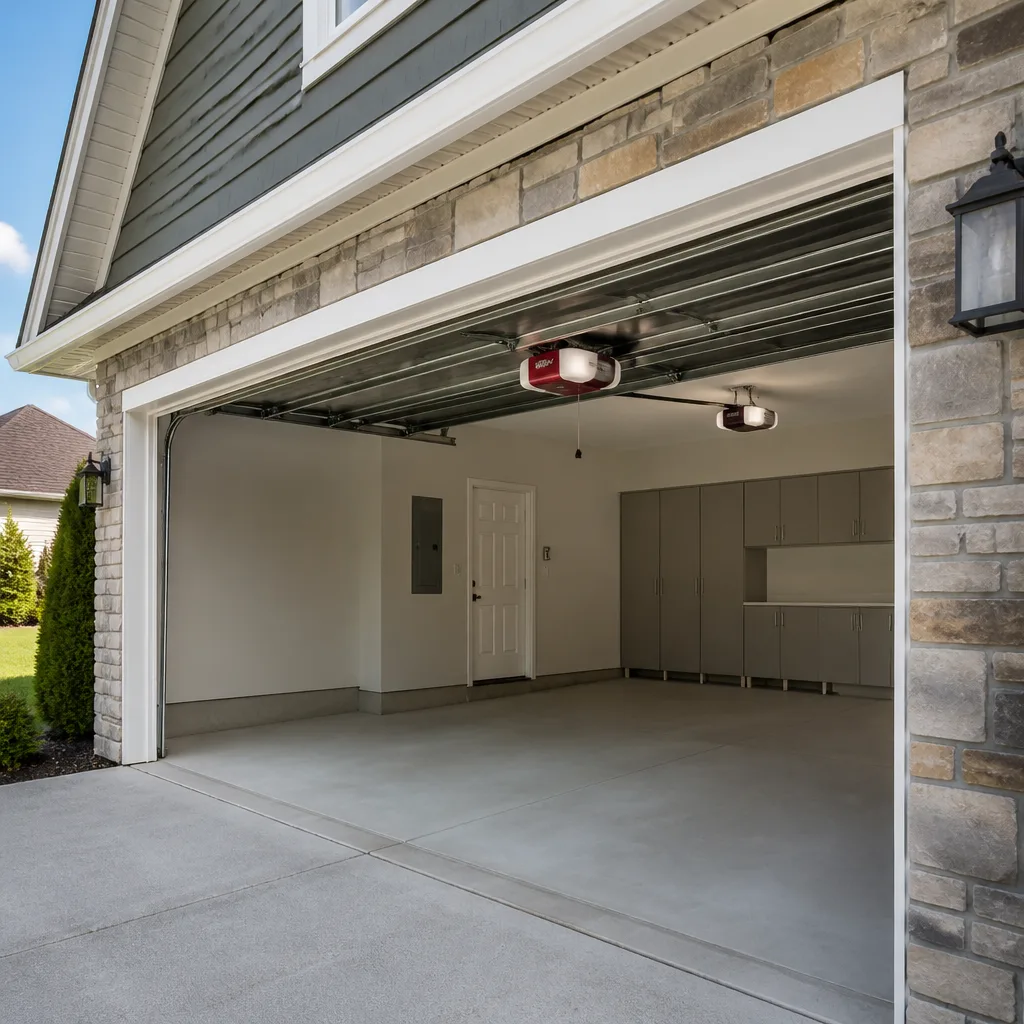 LiftMaster openers
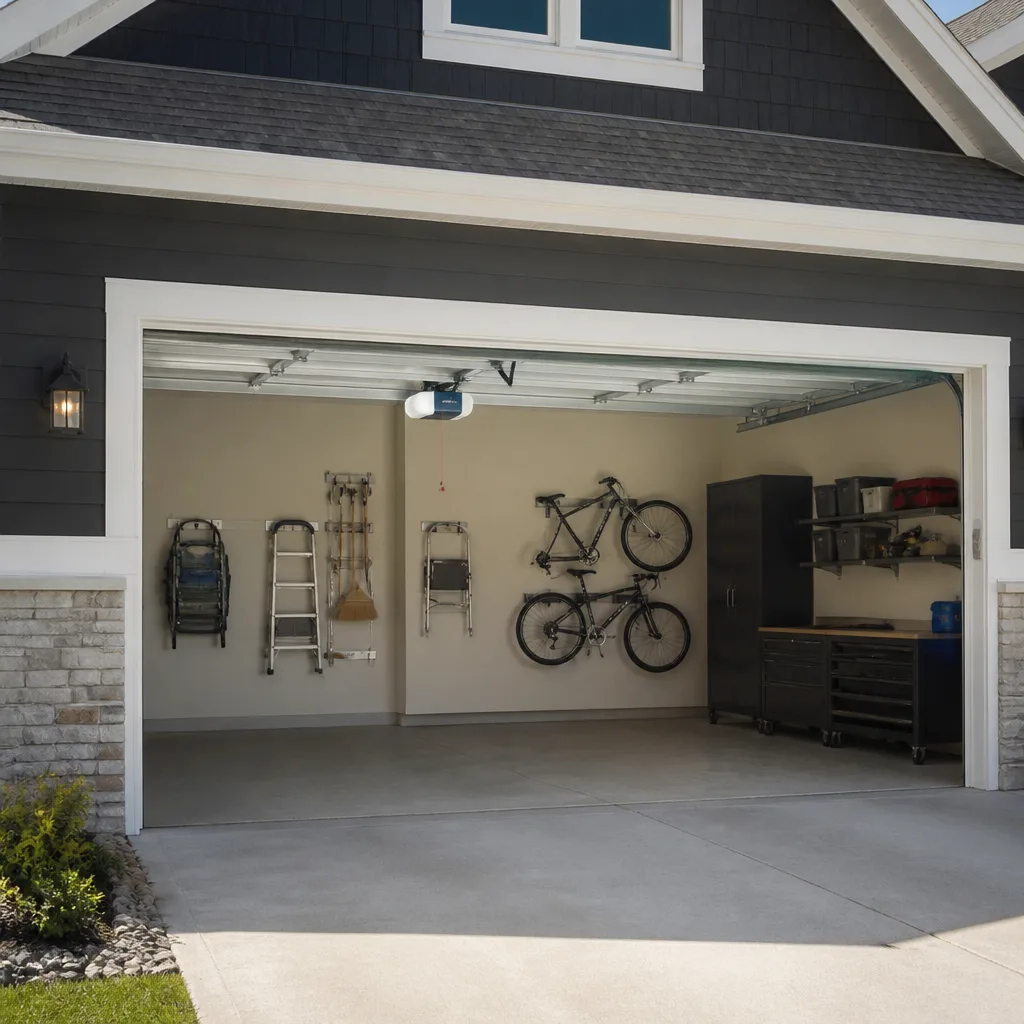 Chamberlain openers
Full 25-point door and opener safety check with every visit - springs, cables, rollers, tracks, and your LiftMaster or Chamberlain opener included
You get a price before we start. It does not change when the pro arrives.
Get your free estimateGarage Door Permits, Codes & Inspections in Northeast Philadelphia, PA: What You Need to Know
Most homeowners in Northeast Philadelphia assume a garage door replacement never needs a permit, and for a straight like-for-like swap they’re usually right. The trouble starts when the work changes the opening itself. Philadelphia’s Department of Licenses and Inspections (L&I) draws a firm line between swapping a door and altering the structure that holds it, and that line matters at resale, at inspection, and on your property record. If a previous owner widened your opening or switched from one door to two, you could be carrying an unpermitted modification you never authorized. This guide walks through the code threshold, the inspection points that come up in Northeast Philadelphia, and how the permit process actually works.
Quick Answer
In Philadelphia, replacing a garage door in the same opening with the same dimensions generally does not require a building permit, but any change to the opening’s size, the framing, the header, or the number of doors does require one through L&I. Pennsylvania has adopted the 2015 International Residential Code (IRC), which inspectors use to check garage separation, fire-rated doors between the garage and living space, and safety features. If you’re unsure which category your job falls into, the city’s building department is the authority to ask before work begins.
Styles & brands we work with
- Raised-panel steel
- Carriage house
- Modern flush
- Full-view glass
- LiftMaster openers
- Chamberlain openers
Table of Contents
- The Permit Threshold: Structural Alteration vs. Standard Replacement
- Why Northeast Philadelphia’s Housing Stock Creates Code Edge Cases
- What a Home Inspector Flags Under the 2015 IRC
- Pulling a Permit Through L&I: Step by Step
- How Unpermitted Work Shows Up on a Title Search
- Remediation: What Buyers and Sellers Actually Do
- Safety Systems, Openers, and Inspection Realities
- When to Pull a Permit and When to Skip It
The Permit Threshold: Structural Alteration vs. Standard Replacement
The single most useful distinction in Philadelphia’s code framework is between a door replacement and a structural alteration of the opening. A replacement means the new door fits the existing opening without changing its width, height, or the framing that supports it. A structural alteration means you’re modifying the opening itself, and that triggers a permit.
Here’s how the two categories break down in practice:
- Standard replacement (usually no permit): Removing one door and installing another of the same size in the same opening, keeping the same track layout and the same spring system type. This is the everyday job in Northeast Philadelphia, and it usually clears without a permit.
- Structural alteration (permit required): Widening or heightening the opening, replacing or modifying the header, changing from a single door to a double door, converting a wall section into a new opening, or altering the framing that carries the load above the door.
- Grey zone: Changing door type in a way that requires new track mounting points or a different spring anchor location. This can sometimes be handled as a replacement, but it’s worth confirming with the city before you commit.
The reason the structural category matters so much is that headers carry the load of the wall above the opening. Cutting into a header without engineering is where problems start, both structurally and on paper. If your job involves any change to the opening’s dimensions, treat it as structural until the building department tells you otherwise. For straight replacements where the door is the only thing changing, our Garage Door Repair Northeast Philadelphia service is where most homeowners start.
Why Northeast Philadelphia’s Housing Stock Creates Code Edge Cases
Northeast Philadelphia has a lot of attached and semi-attached housing built across several decades, and a large share of those homes have garages that were either added later or modified by previous owners. That combination produces more code edge cases than you’d find in newer suburban construction where the original drawings are consistent and the openings have never been touched.
The specific patterns we see come up in neighborhoods like Mayfair, Holmesburg, Rhawnhurst, and Bustleton include:
- Openings widened at some point in the past, often without documentation, so the current door size doesn’t match what the property record shows.
- Single doors converted to double doors, or the reverse, with the framing altered to match and no permit trail.
- Garages originally built as carports and later enclosed, which changes the fire separation requirements between the garage and the house.
- Additions that pushed living space closer to or above the garage, which makes the separation wall and the door between garage and house more important than they were originally.
None of this is a reason to panic when you buy or sell in Northeast Philadelphia. It’s a reason to look closely at the garage before you sign anything. A garage door that fits its opening cleanly and matches the record is usually fine. A door that clearly doesn’t match the framing around it deserves a question.
What a Home Inspector Flags Under the 2015 IRC
Pennsylvania has adopted the 2015 International Residential Code, and home inspectors working in Northeast Philadelphia evaluate garage doors against it. The code points that come up most often aren’t about the door panel itself. They’re about the separation between the garage and the house, and about safety systems that protect people and property.
The main items inspectors look at:
- Fire separation between the garage and living space. The IRC requires a separation between an attached garage and the rooms next to it. In older Northeast Philadelphia homes, that separation is sometimes thin, penetrated, or missing entirely.
- The door between garage and house. Where a door connects an attached garage to living space, it needs to be a fire-rated door that self-closes and self-latches. A standard interior hollow-core door in that spot is a common flag.
- Photo-eye safety sensors. Openers installed since the early 1990s are required to have safety reversing sensors near the floor. Missing, misaligned, or taped-over sensors get written up.
- The auto-reverse function. The opener should reverse when it meets an obstruction. Inspectors test this, and openers that fail it get flagged for repair.
- Manual release. Every opener needs a working manual release so the door can be operated by hand if the power is out or the opener fails.
- Spring and cable condition. Inspectors note visible wear on springs and fraying on cables even though they don’t test them. A tired torsion spring is one of the most common observations on an inspection report.
If any of those come up on your report, the fix is usually straightforward. Sensor alignment, a new operator, or a spring replacement is routine work. The fire-rated door between the garage and house is the one to take seriously, because it’s a life-safety item, not a convenience item. We cover opener-specific issues through our garage door opener repair service when a failing unit is what triggered the flag.
Pulling a Permit Through L&I: Step by Step
If your job does need a permit, the process runs through Philadelphia’s Department of Licenses and Inspections and its online portal. The steps are the same whether you’re a homeowner pulling your own permit or a contractor pulling it on your behalf.
- Confirm the scope with L&I. Call or check the department’s website to confirm whether your specific change requires a permit. A quick conversation up front saves weeks later. The building department is the authority, not a contractor, not an inspector, not a neighbor who did the same thing.
- Prepare drawings. For a structural alteration, you’ll need drawings showing the existing opening, the proposed opening, the header, and the framing. Simple replacements typically don’t require drawings.
- Submit through the L&I online portal. Philadelphia accepts permit applications electronically through its citizen and business portal. Create or log into an account, select the permit type, upload drawings, and pay the fee.
- Wait for review. Turnaround varies with the complexity of the application and the department’s current workload. A simple alteration can move quickly; anything touching structural framing may take longer. Build the wait into your schedule before you order the door.
- Get the permit issued before work starts. Do not let anyone begin structural work on the assumption that the permit will be approved. If the review comes back with questions, the job stops, and the opening sits.
- Schedule the inspection. After the work is finished, request the inspection. The inspector confirms the alteration matches what was approved. If it doesn’t, you’ll be asked to correct it before the permit closes.
- Keep the paperwork. Store the permit and the final inspection record with your closing documents. This is the single best defense at resale.
For a full replacement or a new door where the opening stays the same, this process usually doesn’t apply. Our garage door installation service walks through the door selection and measuring side of the job, which is where the decision about whether a permit is needed usually surfaces.
How Unpermitted Work Shows Up on a Title Search
Philadelphia keeps property records, and title searches pull those records. An unpermitted alteration doesn’t always appear as a bold flag, but it often shows up as a mismatch. The record says one thing; the garage clearly shows another. That mismatch is what causes problems during a sale.
The patterns we see in Northeast Philadelphia:
- A door that is visibly wider or taller than what the property record describes, with no permit on file.
- A garage converted from one configuration to another with no documentation of the change.
- An enclosed carport with no record of the conversion.
- Framing that’s clearly newer than the surrounding structure but no record of who did the work.
None of that automatically kills a sale. What it does is give a buyer’s attorney a specific question, and give the buyer’s lender a reason to want the question resolved before closing. In a search-heavy market like Northeast Philadelphia, where the same block can have homes built across several decades, buyers tend to look closely at anything that reads as a modification.
Remediation: What Buyers and Sellers Actually Do
If you discover unpermitted garage work during a purchase or a sale, there are usually a few practical paths. Which one you take depends on how significant the alteration is and how much the two sides want the deal to close.
- Document what was done. Have a qualified professional inspect the alteration and put the current condition in writing. That paperwork gets you past the “we don’t know what’s there” stage and lets the parties talk about the real situation.
- Retroactively permit the work. Philadelphia allows homeowners to apply for a permit for work that’s already been done, provided it meets current code. This is the cleanest path to a match between the property record and the physical reality.
- Restore the original configuration. If the alteration doesn’t meet code and can’t be brought into compliance, restoring the opening to its recorded configuration resolves the issue at the source.
- Disclose and negotiate. Sometimes the simplest path is disclosure and a credit at closing. This works when the alteration is minor, functionally sound, and the buyer is comfortable proceeding with the record as-is.
What you should not do is nothing. Unpermitted work tends to resurface at the worst possible moment, and the buyer in that scenario has more leverage than the seller in every version of the conversation.
Safety Systems, Openers, and Inspection Realities
Home inspectors in Northeast Philadelphia tend to focus on what a garage door does when the button is pressed. They check that the door opens and closes fully, that the safety sensors behave properly, and that the opener reverses when it meets an obstruction. We diagnose those behaviors across the major brands installed in this part of the city: Chamberlain and Genie openers are common, and a lot of the doors in this area are Clopay or Amarr. Brand familiarity matters here because each system has its own ways of failing, and the fix isn’t always the same one.
What inspectors note in practice:
- Safety sensors that are misaligned or blocked. The most common opener issue we hear about after an inspection. Cleaning the lenses and re-aligning the sensors usually handles it.
- An opener that doesn’t reverse. Sometimes the down-limit needs adjustment; sometimes the opener is older than the safety standard and needs replacing. Getting the door to reverse reliably is not optional, because a door that closes on a child or a pet is a serious injury.
- Springs with visible wear or inconsistent door balance. A door should hold itself halfway open when the opener is disengaged. If it slams down or flies up, the springs or cables need attention.
- Missing or broken manual release. Easy to fix and easy to overlook.
- Doors that track unevenly or bind. Usually a track alignment issue, sometimes a symptom of a spring problem that hasn’t fully failed yet.
Springs and cables are the part of this trade that genuinely deserves the safety warning. A torsion spring under tension stores enough energy to cause serious injury if it releases unexpectedly, and extension springs can do the same. This isn’t a job to attempt from a video. If you hear a loud snap from the garage and the door won’t lift, stop pulling on it and call a professional. Our garage door repair service handles torsion and extension spring work, and it’s the one task in the trade we routinely tell homeowners not to touch.
When to Pull a Permit and When to Skip It
Here’s the practical decision rule for a Northeast Philadelphia homeowner planning garage door work. It comes down to one question: does the opening itself change?
- Same opening, same dimensions, new door: Usually no permit. This covers the vast majority of garage door replacements in Northeast Philadelphia, and it’s the scenario most homeowners are actually in.
- Same opening, new opener, new springs, new tracks: Usually no permit. These are repairs and equipment replacements, not structural changes.
- Widened or heightened opening: Permit required. This touches the framing and the load above the door.
- Header replaced or modified: Permit required.
- Single door converted to double, or double to single: Permit required.
- New opening cut into a wall that didn’t previously have one: Permit required.
- Enclosed carport or converted garage space: Likely permit required, and depends on what the space is now used for.
If you land in a “usually no permit” category, you’re in good shape. If you land in a “permit required” category, call L&I and confirm the process before you order anything. The permit usually costs less than fixing the record after the fact, and it saves you a conversation you don’t want to have during a sale.
Common Mistakes to Avoid
- Assuming a replacement always needs a permit. Most same-size replacements in Northeast Philadelphia don’t. Pulling a permit for a routine swap adds time and cost you don’t need to spend, which is why the size check comes first. Confirm the category before you start the paperwork.
- Assuming a structural alteration never needs one. This is the mistake that causes real problems. Widening an opening or changing the number of doors is a structural change, and the record on file is what a buyer’s attorney will look at.
- Ordering the door before the permit is issued. If the L&I review comes back with questions, you’ve got a door that doesn’t fit an opening you’re not allowed to modify yet. Wait for the permit.
- Letting a contractor tell you a permit isn’t needed without checking. Contractors aren’t the authority on code. The city’s building department is. A quick call to L&I resolves the question once and for all.
- Ignoring the fire-rated door between the garage and house. In attached-garage homes, a standard interior door in that spot is one of the most common inspection flags. It’s a life-safety item, and it’s an easy fix.
- Attempting spring or cable work without the right skill. Torsion and extension springs are under significant tension, and the injury risk is real. This is the one part of garage door work that should always go to a trained technician.
- Losing the permit and inspection paperwork after the job closes. Store it with your closing documents. It’s the cleanest way to answer a question at resale.
See the difference
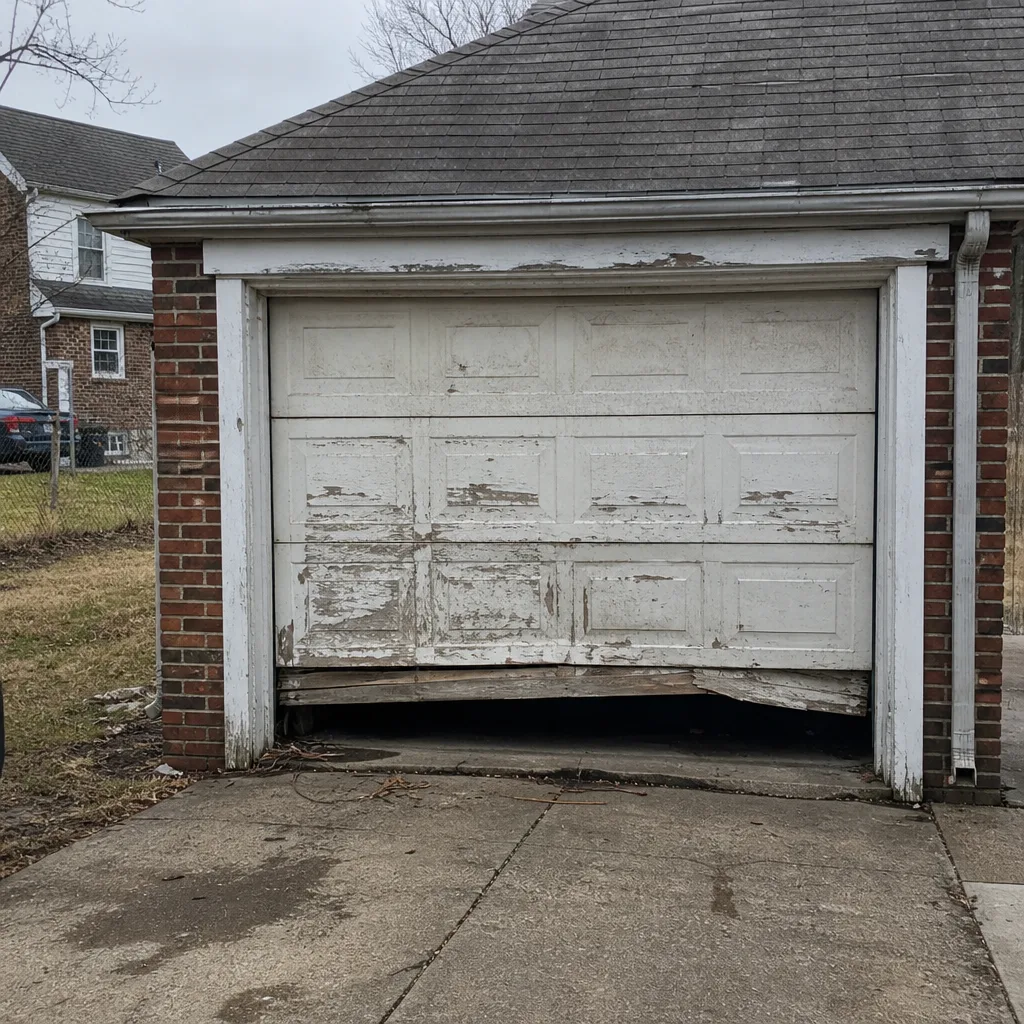 Before
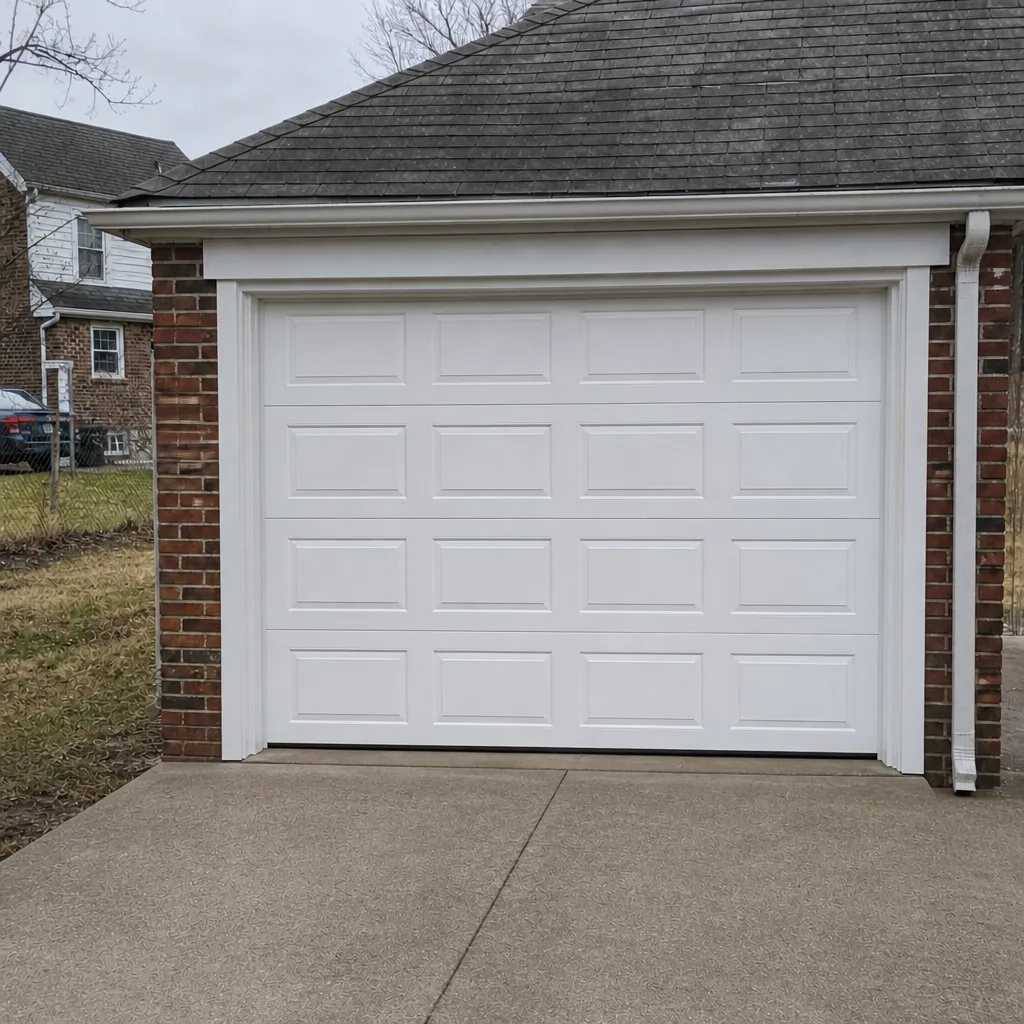 After
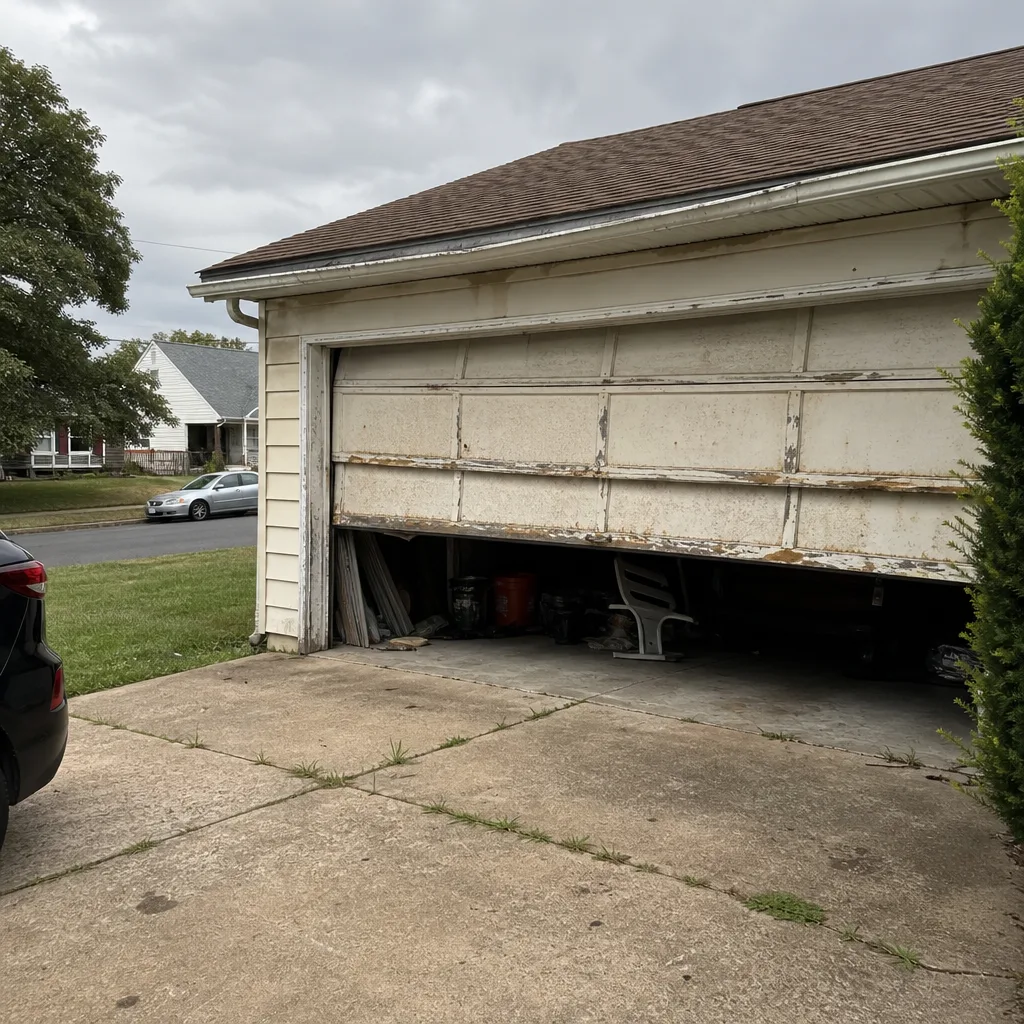 Before
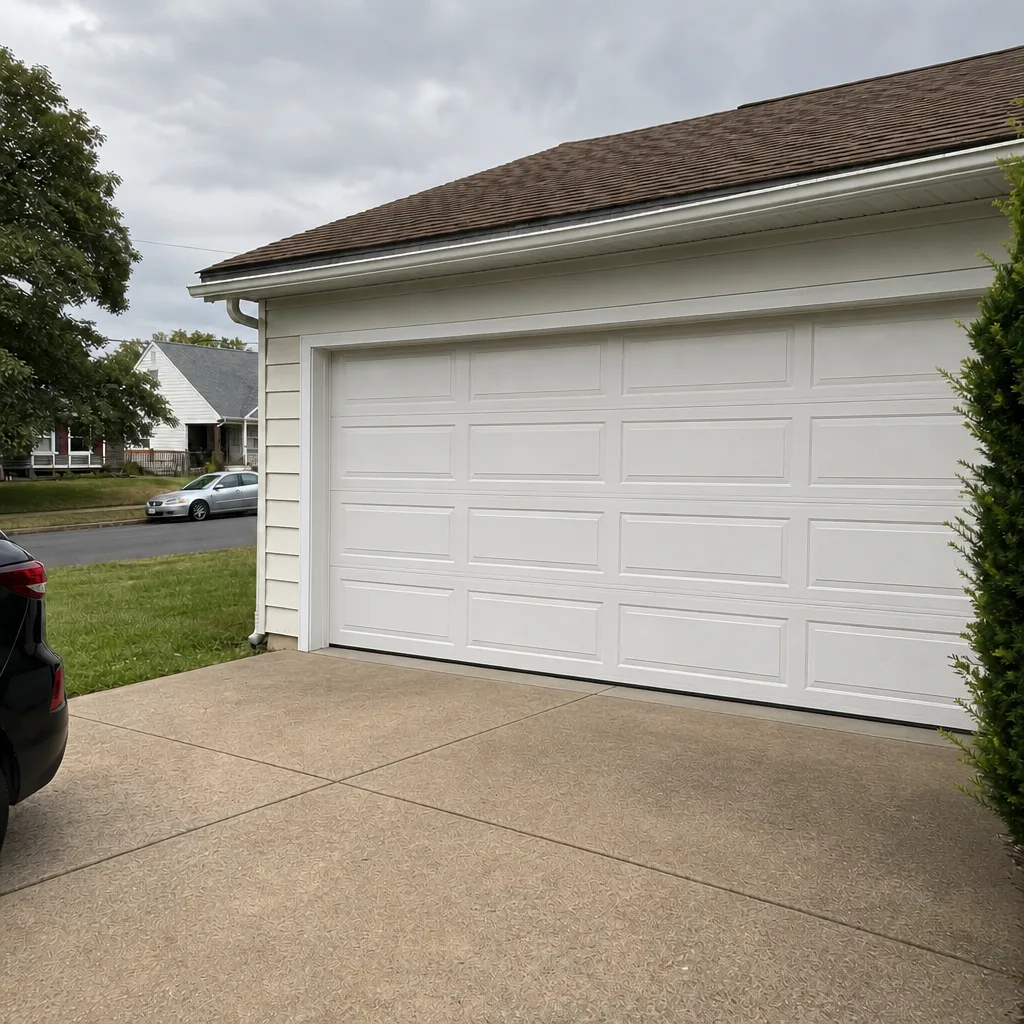 After
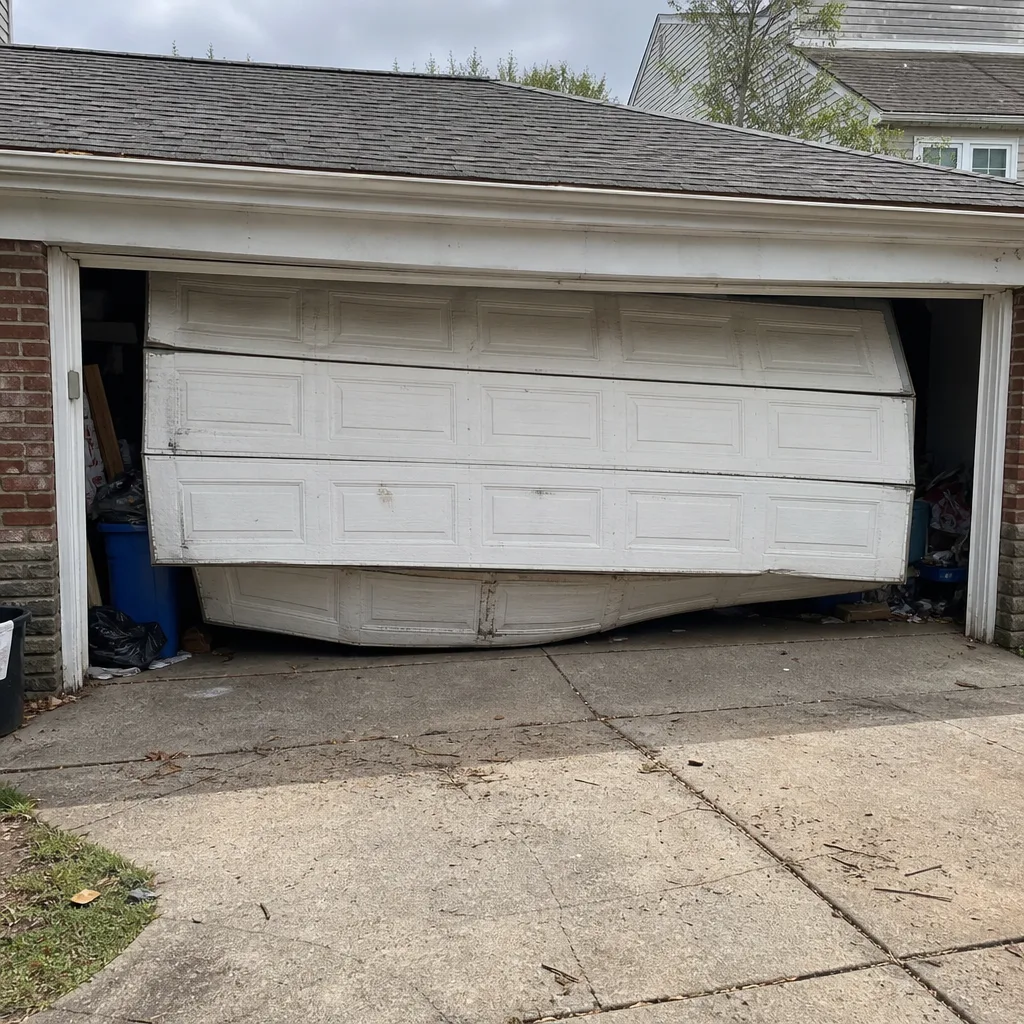 Before
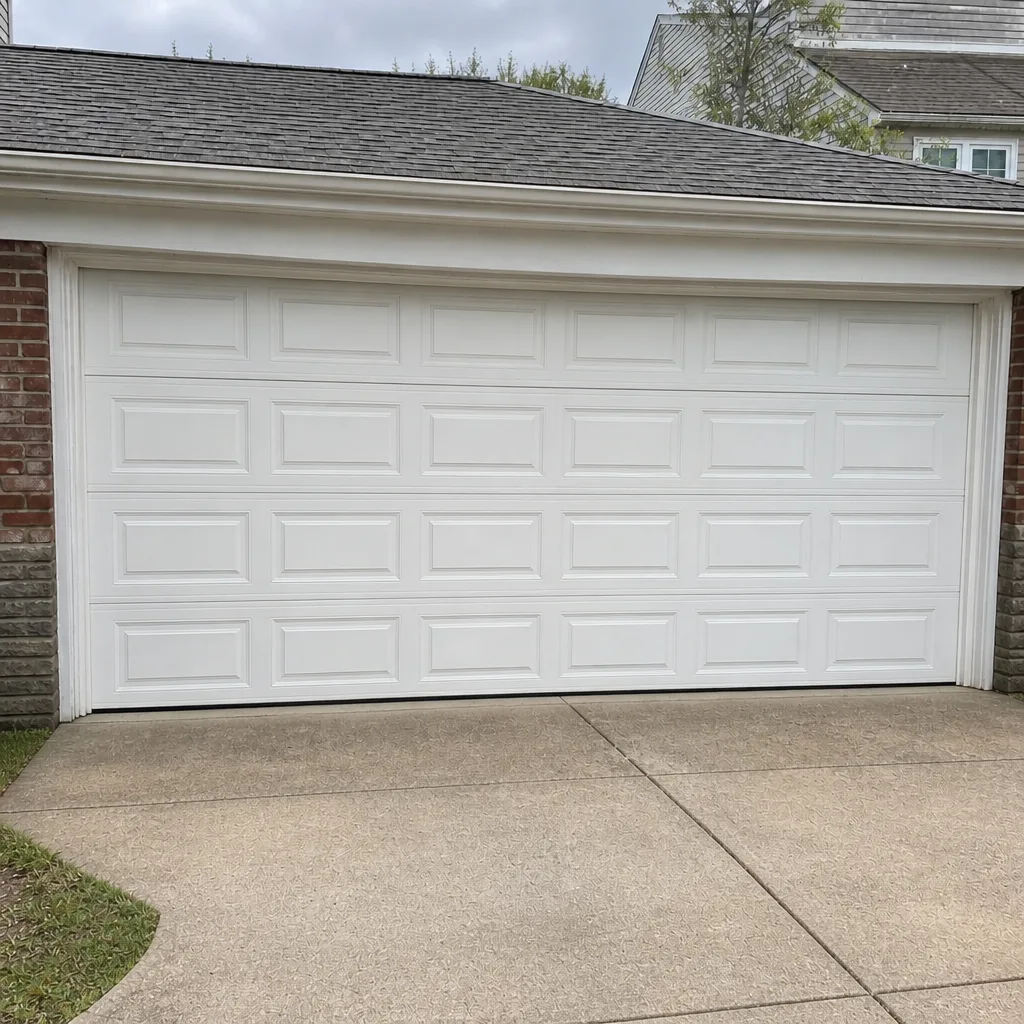 After
When to Call a Professional
Some garage door problems are routine diagnostics and some need a trained technician on site. Call a professional when a spring has snapped, when the door won’t open or close at all, when the opener ignores the remote or runs without moving the door, when the door is visibly off its tracks, or when a home inspection has flagged a safety or structural item you need resolved quickly. If the question is whether your job needs a permit, our technicians can tell you what category the work falls into, and the city can confirm it.
Garage Door Repair Northeast Philadelphia offers free estimates in Northeast Philadelphia – call (855) 337-1296. Our technicians have up to 8 years of experience, and every call is garage doors only. From opener glitch to full replacement, we work on the brand you already have. If you’re in the middle of a sale or a purchase, we can put the current condition of the door in writing so both sides have something concrete to work from.
Frequently Asked Questions
Usually no, as long as the new door fits the same opening with the same dimensions and the framing isn’t changing. Philadelphia requires a permit when the opening itself is altered, the header is modified, or the number of doors changes. When in doubt, call L&I to confirm, and call (855) 337-1296 for a free estimate on the replacement itself.
A replacement swaps the door in the existing opening; a structural alteration changes the opening itself, which includes widening, heightening, replacing the header, or changing between single and double doors. The distinction is the whole ballgame for permit purposes. If your job involves cutting or reframing, treat it as structural.
Turnaround depends on the scope and the department’s current workload, and simple applications usually move faster than structural ones. Build the review time into your schedule before ordering the door. The city’s building department can tell you what to expect for your specific application.
Home inspectors in Northeast Philadelphia check fire separation between the garage and living space, the fire-rated door between the garage and house, safety reversing sensors, the auto-reverse function, and the manual release. They also note visible wear on springs and cables. The fire-rated door is the item most often overlooked by homeowners and most often flagged by inspectors.
The unpermitted alteration usually surfaces as a mismatch between the property record and what the buyer’s inspector sees. Most transactions resolve it through retroactive permitting, restoration, or a disclosure-and-credit negotiation. Leaving it unaddressed at closing is the path with the most risk for the seller.
Yes. Our technicians can look at the door and the opening and tell you which category the work falls into, and we can put that in writing for a sale or a purchase. The final word comes from Philadelphia’s building department, but we can save you a round of confusion. Call (855) 337-1296 for a free estimate.
The Bottom Line
Permits for garage door work in Northeast Philadelphia come down to one question: is the opening itself changing? A straight replacement in the same opening usually doesn’t need a permit, and most of the garage door work happening across Mayfair, Holmesburg, and the rest of Northeast Philadelphia falls into that category. A structural alteration, whether that’s a widened opening, a header change, or a single-to-double conversion, does. The 2015 IRC items inspectors flag are mostly about separation and safety systems, and the fire-rated door between the garage and the house is the one to take seriously. Keep your permit paperwork. Ask the building department when you’re unsure. And call (855) 337-1296 when the door itself needs work, because springs and structural components are not a do-it-yourself job.
Whether you’re replacing the door, repairing an opener, or sorting out a code question before a sale, Written by the team at Garage Door Repair Northeast Philadelphia.