Last updated November 21, 2026
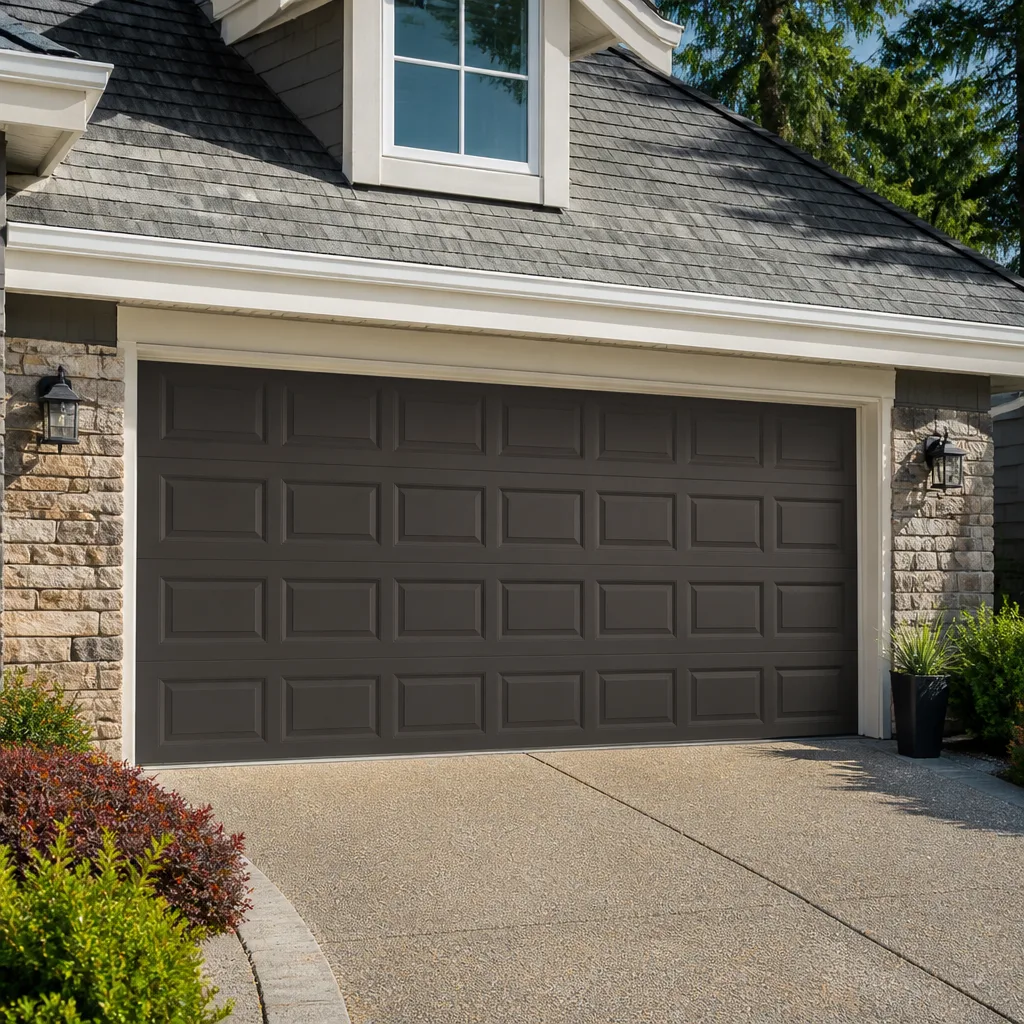 Raised-panel steel
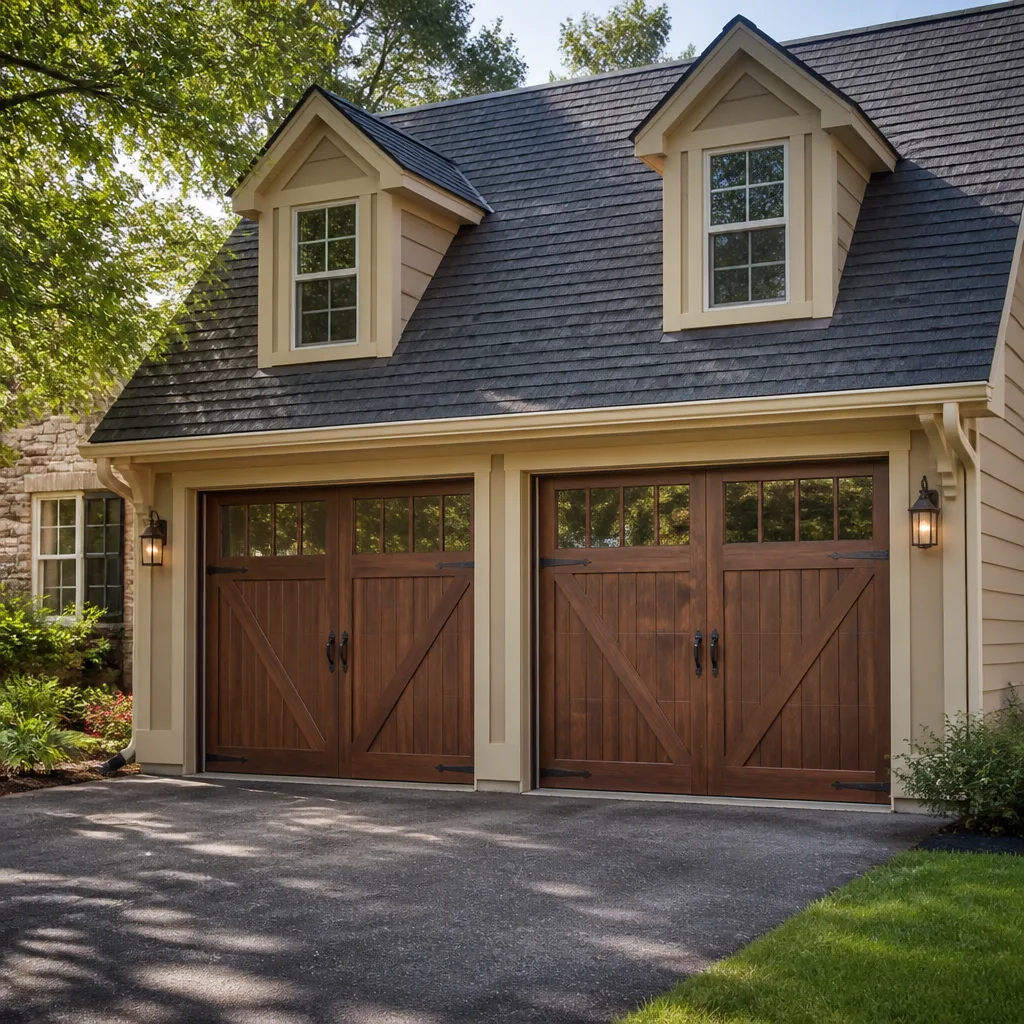 Carriage house
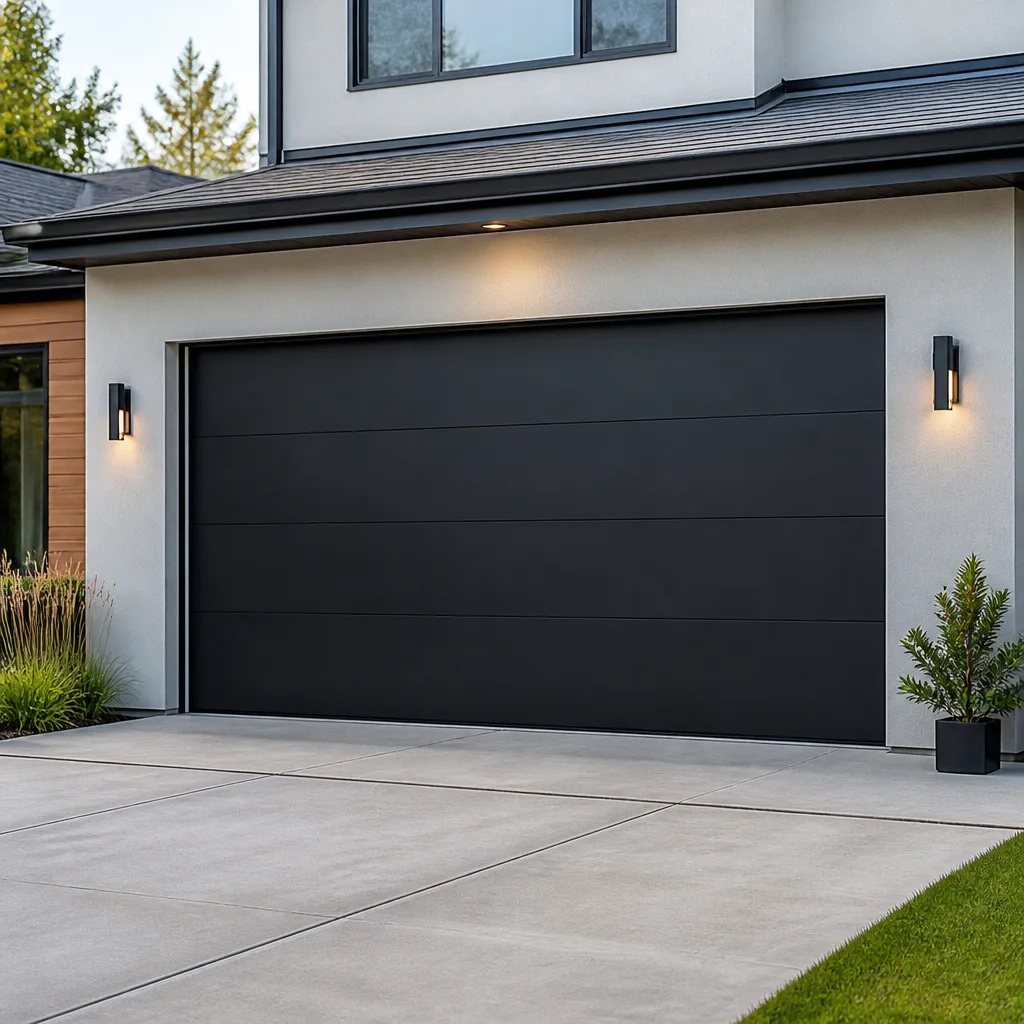 Modern flush
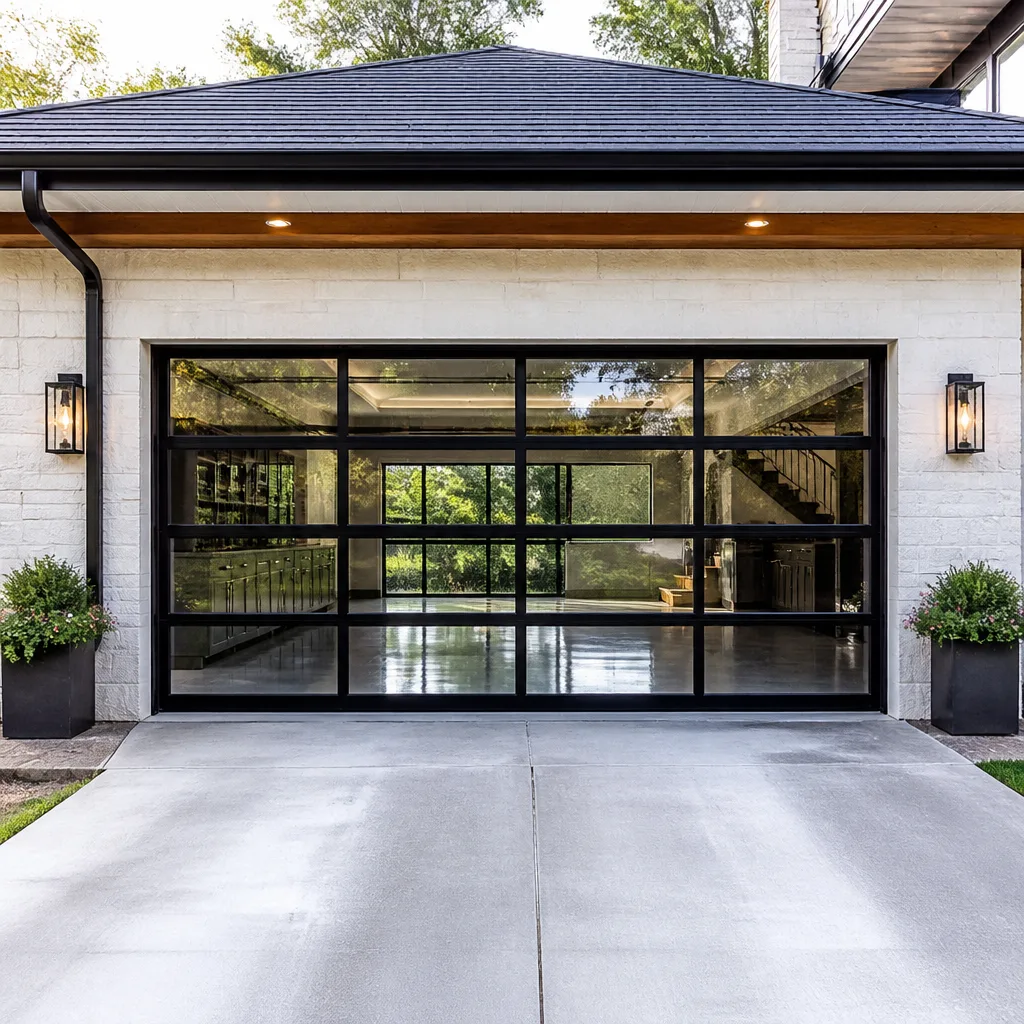 Full-view glass
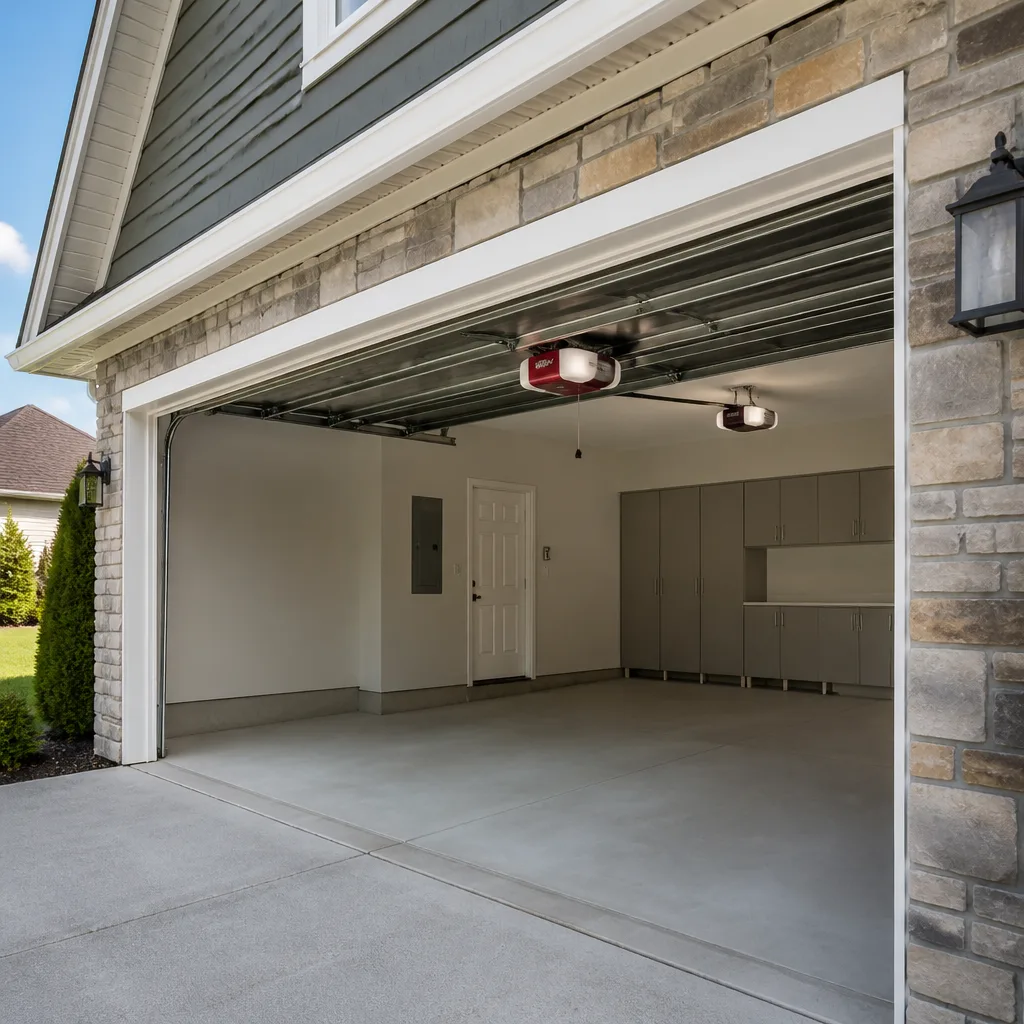 LiftMaster openers
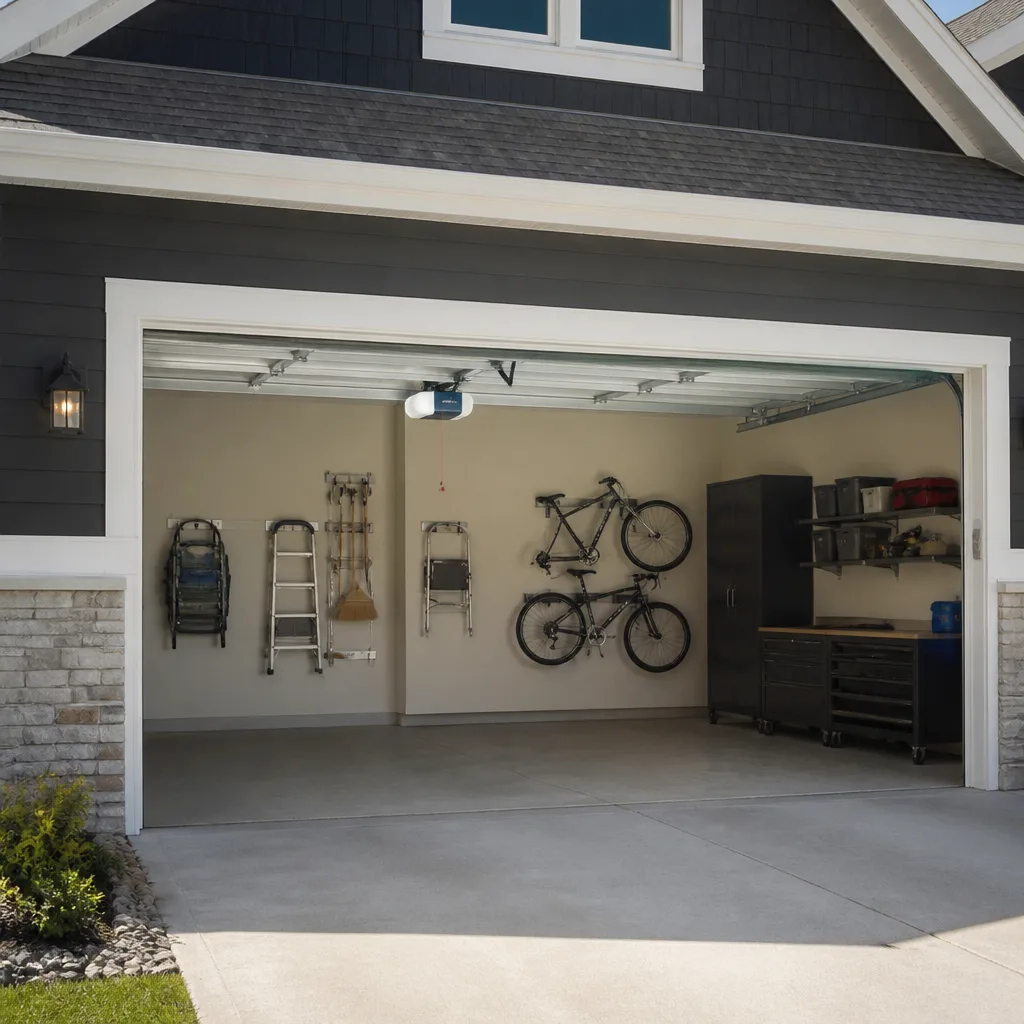 Chamberlain openers
Full 25-point door and opener safety check with every visit - springs, cables, rollers, tracks, and your LiftMaster or Chamberlain opener included
You get a price before we start. It does not change when the pro arrives.
Get your free estimateGarage Door Repair Troubleshooting in Northeast Philadelphia: Common Problems and How to Fix Them
A door that reverses before it reaches the floor usually isn’t broken. It’s following instructions from a safety sensor that got nudged a couple of degrees out of alignment, and the door is doing exactly what it was told. That gap between a broken door and a misconfigured one is where most Northeast Philadelphia homeowners lose time and money, because they replace parts that were never the problem. A grinding noise, a door that won’t open at all, and a door that runs loud all trace back to completely different components. This guide maps each symptom to its root cause, separates the fixes you can safely handle from the ones that carry real injury risk, and explains how our freeze-thaw winters here push on seals, tracks, and springs. By the end you’ll know what’s actually wrong and whether it’s a five-minute adjustment or a call.
Quick Answer
Most garage door problems in Northeast Philadelphia come down to four systems: the safety sensors, the springs, the tracks and rollers, or the opener’s logic board and limits. Reversing doors are usually a sensor or limit issue, doors that won’t lift at all usually point to a broken spring or a dead opener, and loud operation usually means worn rollers or a track out of alignment. Sensor cleaning and limit-switch adjustments are safe to do yourself. Anything involving torsion springs, cables, or cable drums is not, and should go to a trained technician.
Styles & brands we work with
- Raised-panel steel
- Carriage house
- Modern flush
- Full-view glass
- LiftMaster openers
- Chamberlain openers
Table of Contents
- Symptom-to-Cause Map: What Your Door Is Telling You
- Why Does My Door Reverse Before Closing?
- Why Won’t My Door Open At All?
- Why Is My Garage Door So Loud?
- How Northeast Philadelphia Freeze-Thaw Cycles Affect Your Door
- DIY-Safe Fixes vs. Repairs That Carry Injury Risk
- The 60-Second Diagnostic a Technician Runs First
- When “It Works But Sounds Wrong” Is an Early Warning
Symptom-to-Cause Map: What Your Door Is Telling You
The single biggest troubleshooting mistake is treating the symptom as the diagnosis. A door that won’t close and a door that won’t open can look like the same problem from the driver’s seat of your car, but they involve opposite halves of the system. Mapping the symptom to the mechanical system behind it is how you avoid paying for a part you didn’t need.
Here’s how the common symptoms break down by the component they actually implicate:
- Reverses before closing: safety sensors, sensor wiring, or the opener’s travel limit setting.
- Won’t open at all: a broken torsion or extension spring, a stripped opener gear, or a dead motor.
- Opens a few inches and stops: travel limits out of adjustment, or a binding track.
- Loud grinding or squealing: worn nylon rollers, dry hinges, or a bent track.
- Door drifts back down after opening: spring tension too low, or a failing opener clutch.
- Remote works intermittently: opener logic board, battery, or antenna interference.
- Door is crooked or binds on one side: a snapped cable or a roller out of the track.
Notice that “the door won’t work” splits into at least six distinct root causes. In our experience across Northeast Philadelphia, the spring and the sensor account for the majority of calls, but they feel nothing alike when you’re standing in the driveway. A broken spring usually announces itself with a loud bang and a door that suddenly weighs a few hundred pounds. A sensor problem is silent. The door just reverses like it changed its mind.
Working from the symptom backward is the whole game. If you replace the opener because the door won’t lift, and the real problem was a snapped spring, you’ve spent money on the wrong system entirely. Start with the symptom map, confirm with the diagnostics below, and only then decide whether it’s a DIY fix or a professional call.
Why Does My Door Reverse Before Closing?
A door that reverses before it reaches the floor is usually doing its job, not failing at it. The safety reverse system is designed to stop and back the door off when it detects an obstruction, and a sensor that’s been bumped, clouded with dust, or knocked slightly out of alignment will trigger that reverse every time. The door isn’t broken. It’s obeying a bad instruction.
Check the sensors first
The two photo-eye sensors sit a few inches off the floor on either side of the opening. They shoot an invisible beam across the doorway, and if anything interrupts it, the door reverses. Start there:
- Look at both sensor lenses. Each should show a steady indicator light. A blinking or dark light on either unit means the beam is broken or the unit has lost power.
- Wipe both lenses with a dry cloth. Dust, cobwebs, and winter road grime are common culprits in Northeast Philadelphia.
- Check that nothing is blocking the beam: a shovel, a recycling bin, a bag of road salt, a kid’s bike.
- Confirm both sensors point at each other. If one got nudged, the beam misses and the door reverses.
- Check the small wires running to each sensor for a loose connection or a nick.
If the lights are solid and the beam is clear but the door still reverses, the problem has moved past the sensors and into the opener’s travel limits or the logic board. That’s where a diagnostic becomes worth the call.
What if it reverses only sometimes?
Intermittent reversing points to a marginal sensor alignment or a loose wire that makes contact most of the time but not always. Sun glare can also blind a sensor on a bright afternoon, though that’s less of a factor in the tighter lots common across Northeast Philadelphia than it is in wide-open suburbs. A door that reverses only in cold weather often has a sensor bracket that shifts as temperatures drop.
When reversing is actually a spring symptom
There’s one exception worth knowing: a door that reverses because it’s binding on the way down, not because of a sensor. If the door lifts fine but catches, jerks, or stops halfway down and reverses, the issue could be a track out of alignment or a worn roller. If you can’t tell the difference between a sensor reverse and a mechanical bind, the safest move is to disengage the opener (pull the red release cord) and lift the door by hand. A properly balanced door lifts with one hand and stays where you put it. If it feels heavy or slams down, the springs are the real problem. Spring work is not a DIY job, and our Garage Door Repair Northeast Philadelphia team handles torsion and extension spring repair as a core service.
Why Won’t My Door Open At All?
A door that won’t budge at all is a different animal from a reversing door. When the opener runs but the door doesn’t move, or the door feels impossibly heavy by hand, you’re usually looking at a broken spring or a stripped opener gear. When the opener is silent, the problem is electrical: power, the wall control, or the logic board.
Run this order of checks
- Listen for the opener. If you hear the motor run but the door doesn’t lift, the opener is fine and the door is the problem. If you hear nothing, the opener is the problem.
- Check the power. Confirm the outlet the opener plugs into works, and check the breaker. A tripped breaker from a winter space heater in the garage is a common call in Northeast Philadelphia.
- Test the wall control. If the wall button works but the remote doesn’t, the issue is the remote or the opener’s receiving antenna, not the door.
- Look at the springs. A torsion spring is a coiled spring mounted on a bar above the door. An extension spring runs along each side track. A visible gap in a torsion spring, or a stretched and dangling extension spring, means the spring has failed.
- Try the manual release. Pull the red cord to disconnect the opener and lift the door by hand. If it’s extremely heavy, the springs are gone. If it’s light and balanced, the opener is the culprit.
The danger here is real. Torsion springs store enormous energy, and a failed spring can still be under tension. Never try to lift a door by hand if you suspect a broken spring, and never attempt to loosen, adjust, or remove a spring assembly yourself. That’s not a caution we add to sound careful; it’s the honest reason spring repair is a named professional service and not a homeowner project.
When it’s the opener
If the opener hums but the door doesn’t move, the drive gear inside the unit may be stripped, which is common on older units. If the opener clicks and nothing happens, a capacitor or logic board is often the cause. We service LiftMaster, Chamberlain, Genie, Craftsman, and other major openers by their brand-specific behavior, which means we diagnose the failure pattern the unit is known for instead of guessing. If you’ve narrowed it to the operator, garage door opener repair covers the diagnostic and the fix.
Why Is My Garage Door So Loud?
A loud garage door is usually worn hardware, not a failing door. Nylon rollers wear flat, hinges dry out, and tracks bend slightly out of alignment, and each of those turns a quiet door into one that grinds, squeals, or bangs. In most cases the door still works, which is exactly why people put off the fix until something worse happens.
Here’s what the different sounds usually mean:
- Grinding: worn rollers or a dry opener drive. Rollers that have lost their nylon coating let metal ride on metal.
- Squealing: dry hinges or a dry torsion bar. Lubrication on the hinges and rollers (not the springs) often quiets this quickly.
- Banging or slamming: a failing spring or an opener with a worn clutch that lets the door drop the last few inches.
- Rattling: loose bolts on the hinges and brackets, common after years of thermal cycling.
- Popping: a cable jumping its drum or a track that’s shifted.
Loud operation matters more than most homeowners realize. Worn rollers and a misaligned track put uneven load on the springs and the opener, which shortens the life of both. A door that grinds for a year and then fails isn’t two separate problems; it’s one problem that went ignored until the spring or opener paid for it.
If the noise is a squeal, try lubricating the hinges, rollers, and the pivot points with a garage-door-rated lubricant. Don’t lubricate the tracks themselves; the door needs friction there to track properly. If the sound is a grind or a bang, that’s a hardware or spring issue that a technician should look at. Our technicians have up to 8 years of experience and can tell the difference by sound and by feel within minutes.
How Northeast Philadelphia Freeze-Thaw Cycles Affect Your Door
Northeast Philadelphia winters do a specific kind of damage to garage doors, and it comes from the freeze-thaw cycle more than from the cold itself. Water gets into seams and gaps, freezes, expands, and then thaws, and the repeated expansion and contraction works on the parts that flex. Doors that were perfectly fine in October start acting up in January for reasons that have nothing to do with the opener.
Where freeze-thaw hits hardest
- Bottom seals: the rubber or vinyl seal along the bottom of the door cracks and stiffens in the cold. A stiff seal doesn’t compress evenly, which lets cold air and water into the garage and can trip the safety reverse if the door meets resistance on the way down.
- Roller tracks: moisture collects in the track channel, freezes, and pushes the track slightly out of alignment. A track that’s one-eighth of an inch off can make the door bind and reverse.
- Spring tension: metal contracts in the cold, and a spring that was at the edge of its adjustment in fall can feel lighter or heavier in January. The door may lift unevenly or fail to stay open.
- Hinges and bolts: the constant expansion and contraction loosens hardware, which is why doors get rattly and loud as the season turns.
Our neighborhoods sit in a zone where the temperature regularly crosses the freezing point back and forth through the winter, and that’s the pattern that does the most damage. A stretch of steady cold is easier on a door than a week of thaw and refreeze. If your door acts up every January and then settles down in spring, freeze-thaw is the likely reason.
What to check as the season turns
- Look for cracks in the bottom seal and replace it if it’s stiff or split.
- Check that both tracks run straight and clean out any debris or ice.
- Test the safety reverse monthly with a small object under the door (the door should reverse on contact).
- Listen for new noises as the temperature drops. A new grind in December is a heads-up for the spring.
If a door fails on a cold morning, that’s the kind of call emergency service exists for. We send a technician out for doors that won’t open or won’t close, because a stuck-open door on a January night is a security problem as well as a cold one.
DIY-Safe Fixes vs. Repairs That Carry Injury Risk
Some garage door fixes are genuinely safe for a homeowner. Others are how people get seriously hurt. The line isn’t about difficulty; it’s about stored energy. Anything that holds tension, meaning springs and cables, can release that energy suddenly if you get it wrong. Anything that’s just an adjustment or a cleaning is fair game.
Safe to do yourself
- Cleaning and aligning the safety sensors: wipe the lenses, confirm the beam, nudge a sensor back into line.
- Adjusting the opener’s travel limits and force settings: these are in the opener’s manual and are a simple up or down adjustment.
- Replacing remote batteries and re-pairing remotes: straightforward with the opener manual in hand.
- Lubricating hinges and rollers: a garage-door-rated lubricant on the pivot points quiets a lot of noise.
- Replacing the bottom seal: a homeowner task on most doors, though the door has to be fully open and stable first.
- Tightening loose bolts on hinges and brackets: with the door closed and the opener disconnected, so nothing moves on you.
Not safe to do yourself
- Torsion spring repair or replacement: the torsion spring holds the full weight of the door. The force stored in a wound torsion spring can cause severe injury if it releases unexpectedly, and a spring that looks “just loose” may still be under tension.
- Extension spring work: extension springs along the side tracks carry comparable stored energy and can release violently if the safety cable is compromised.
- Cable and cable drum repair: cables stay under tension as long as the door is up. Lifting a door with a snapped cable can send the door or the hardware down suddenly.
- Track straightening on a misaligned door: the door can shift while you’re working on it if the springs aren’t balanced.
Our rule of thumb is simple. If a repair involves a spring, a cable, or a drum, call a professional. Everything else on the safe list you can handle with a manual and an afternoon. When you do call a technician, the price is quoted and agreed before any work starts, so there’s no surprise on the invoice. That’s the standard we hold on every job in Northeast Philadelphia.
The 60-Second Diagnostic a Technician Runs First
Before a technician touches a tool, there’s a sequence that narrows the problem down to a system in under a minute. It’s the same sequence whether the call is a reverse-on-close or a door that won’t lift, and it’s how a good technician avoids replacing a part that isn’t broken. You can run most of it yourself.
- Stand back and watch the door do its thing. Push the opener and watch the full cycle. Note where it stops, reverses, or makes noise. This alone puts you in the right half of the troubleshooting tree.
- Check the sensor indicator lights. Two steady lights mean the safety beam is intact. A blinking or dark light means the sensor system is the first suspect.
- Disengage the opener and lift the door by hand. Pull the red release cord, then lift. A door that lifts easily and stays put has working springs. A door that feels like lifting a car has failed springs.
- Listen to the opener. A hum without movement means the opener is trying and the door is fighting it. Silence means the opener isn’t getting power or the logic board is out.
- Check the springs visually. Look for a gap in the torsion spring or a stretched extension spring. Stop there if you find one; don’t try to test the spring further by hand.
- Test the wall control and one remote. If the wall control works and the remote doesn’t, the opener is fine and the remote or antenna is the issue.
This sequence is half diagnostic and half safety check. Step three, the manual lift test, is the one that tells the technician whether the springs are involved before anyone gets near the springs. In our experience, this sequence resolves the direction of the call for the majority of Northeast Philadelphia jobs before the technician even opens a toolbox.
When “It Works But Sounds Wrong” Is an Early Warning
A door that runs but sounds wrong is not a cosmetic problem. It’s the mechanical system telling you something is wearing prematurely, and the cost of listening early is almost always lower than the cost of waiting. A grinding roller, a rubbing track, or a dry hinge is cheap to fix now and expensive to fix after it’s taken out a spring or an opener.
Three sounds are worth taking seriously:
- A grind that wasn’t there last month. Worn rollers or a dry opener drive. Left alone, the uneven load works on the springs.
- A slam at the bottom of the cycle. The opener’s force settings or the spring tension have drifted, and the door is coming down harder than it should. That’s a head injury risk for anything under the door, and it hammers the opener’s drive gear.
- A door that sounds different depending on the weather. A new groan in cold weather points to spring tension or a stiff bottom seal, both of which are freeze-thaw effects.
Here’s the pattern we see: a door gets noisy in November, the homeowner waits until it fails in February, and the call is now for a spring and an opener instead of a set of rollers. The early warning was there the whole time. If your door sounds different than it did last season, that’s reason enough to have it looked at. A technician can tell within a few minutes whether it’s a wear item or something more serious.
If the door has gotten genuinely unreliable and you’re weighing repair against replacement, our garage door installation guide covers when a new door makes more sense than continued repair. For doors that just need adjustments and worn parts replaced, a standard garage door repair visit usually covers it.
Common Mistakes to Avoid
- Replacing the opener when the spring is broken. If the opener runs and the door doesn’t lift, the opener isn’t the problem. Testing the door by hand before buying a new operator saves you the cost of the wrong part.
- Lubricating the tracks. Tracks are supposed to stay dry so the rollers can roll. Grease in the track collects grit and turns a quiet door into a grinding one.
- Adjusting the safety sensors by bending the brackets. A bent bracket shifts the beam and causes more reversals, not fewer. Loosen, align, and tighten instead of forcing the bracket.
- Ignoring a reversing door for months. A reverse-on-close that only happens sometimes is still a sign the sensor or the limit is off, and it can turn into a door that won’t close at all when you need it most.
- Assuming a cold-weather problem is the opener. In Northeast Philadelphia, a door that acts up in January is more often a freeze-thaw issue with the track, seal, or spring than a dead opener. Diagnose the door before the motor.
- Trying to force a stuck door with the opener. Running the opener against a mechanically stuck door strips the drive gear and can burn out the motor. Disengage the opener and lift by hand to find the bind.
- Treating a loud door as normal. A door that’s louder than it was last season is telling you a part is wearing. Fixing the part early is cheaper than fixing the spring later.
See the difference
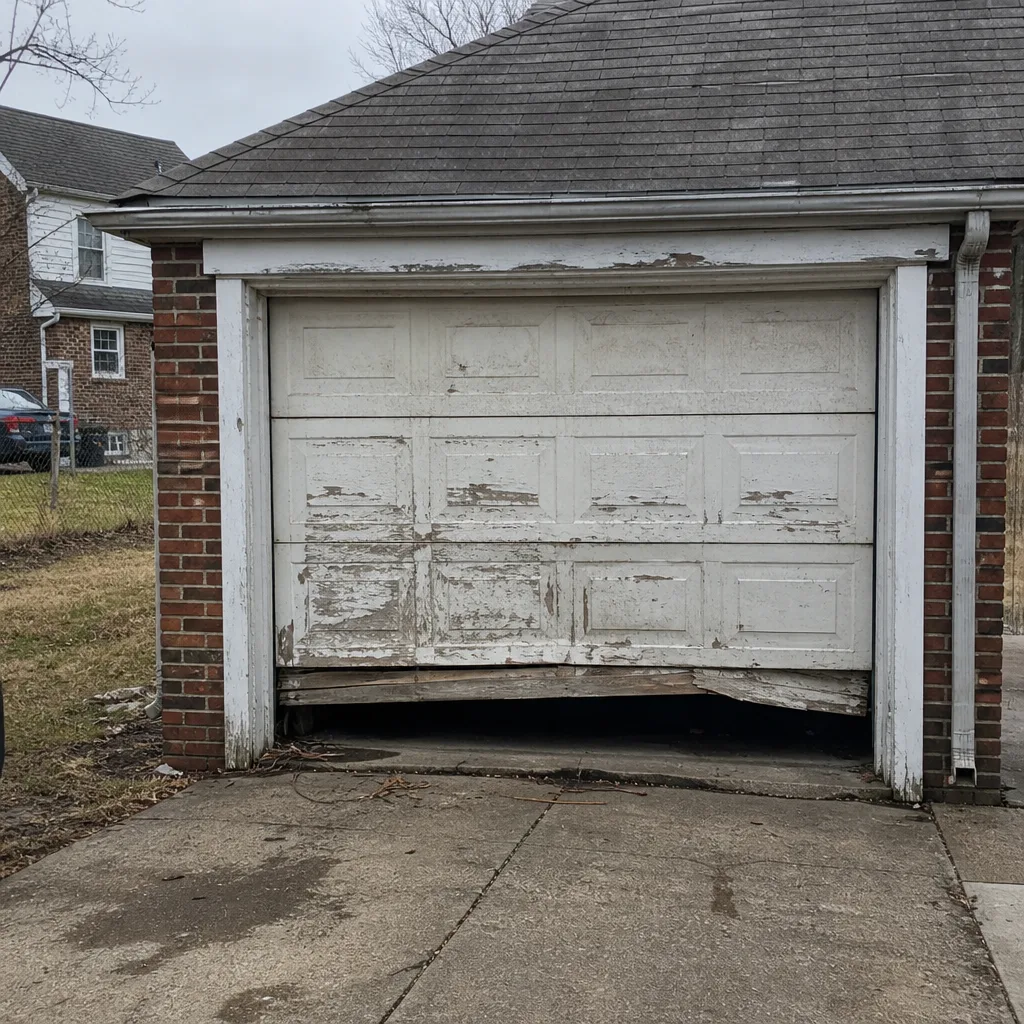 Before
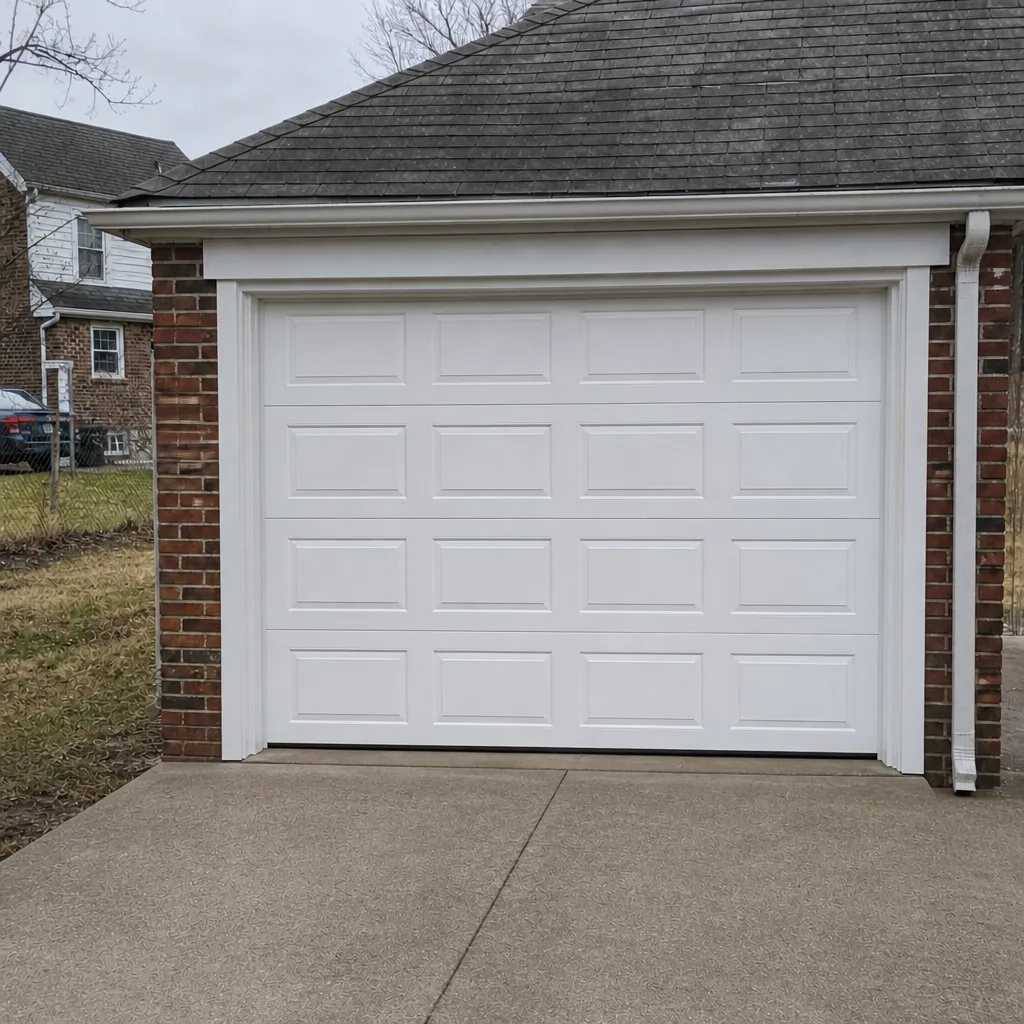 After
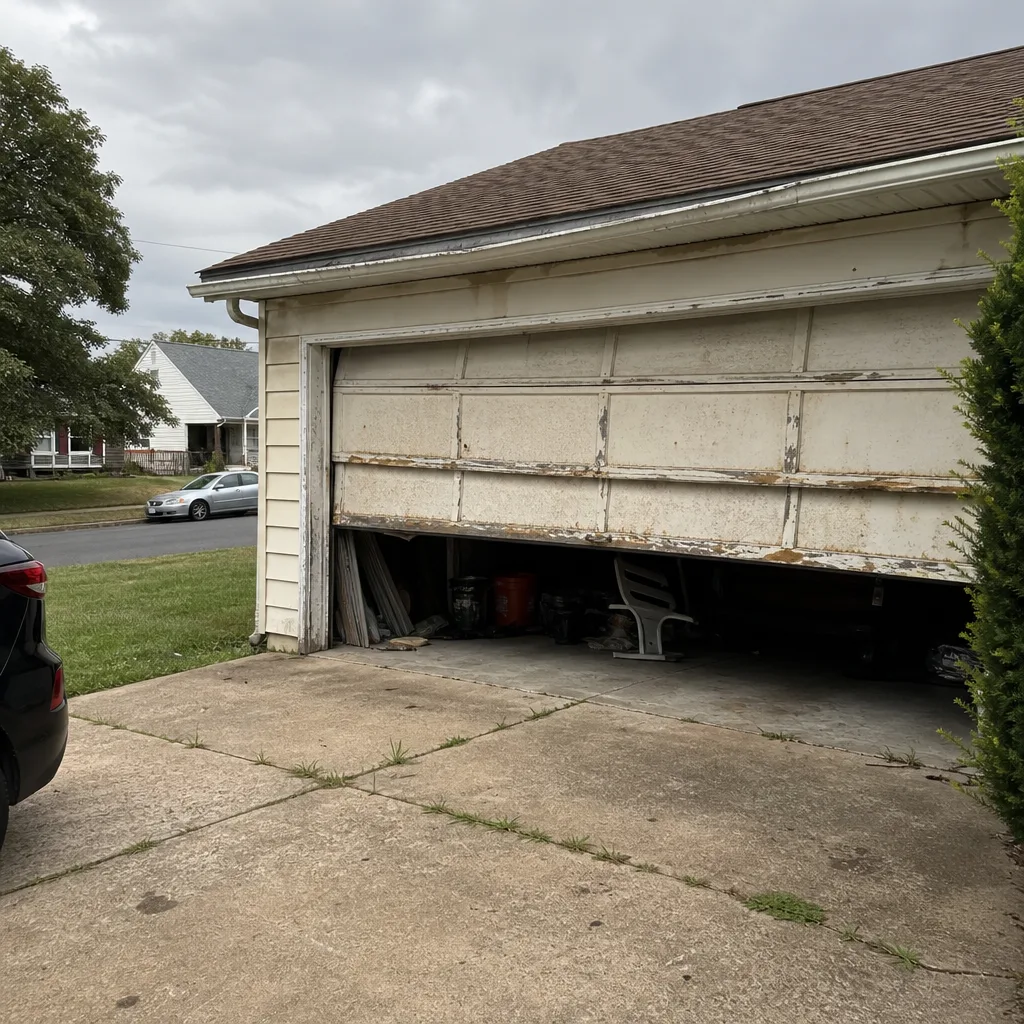 Before
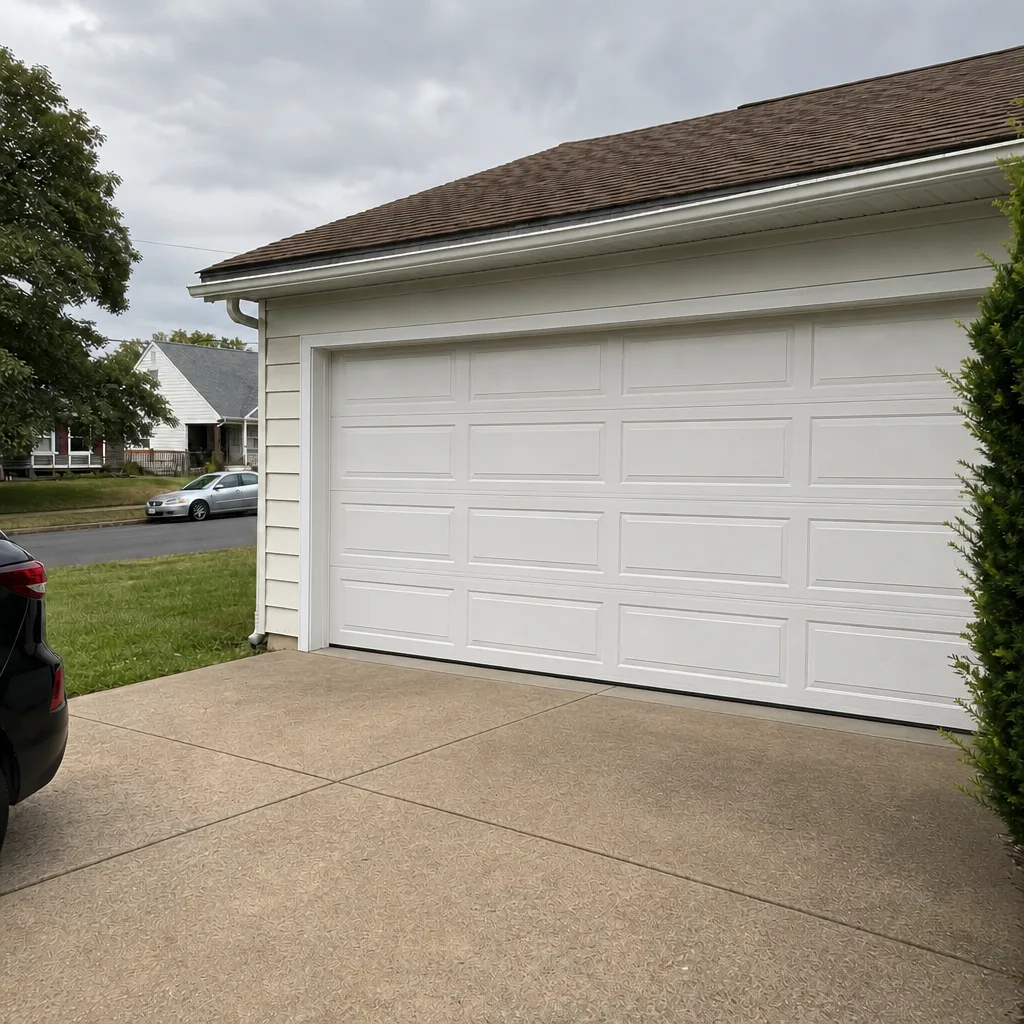 After
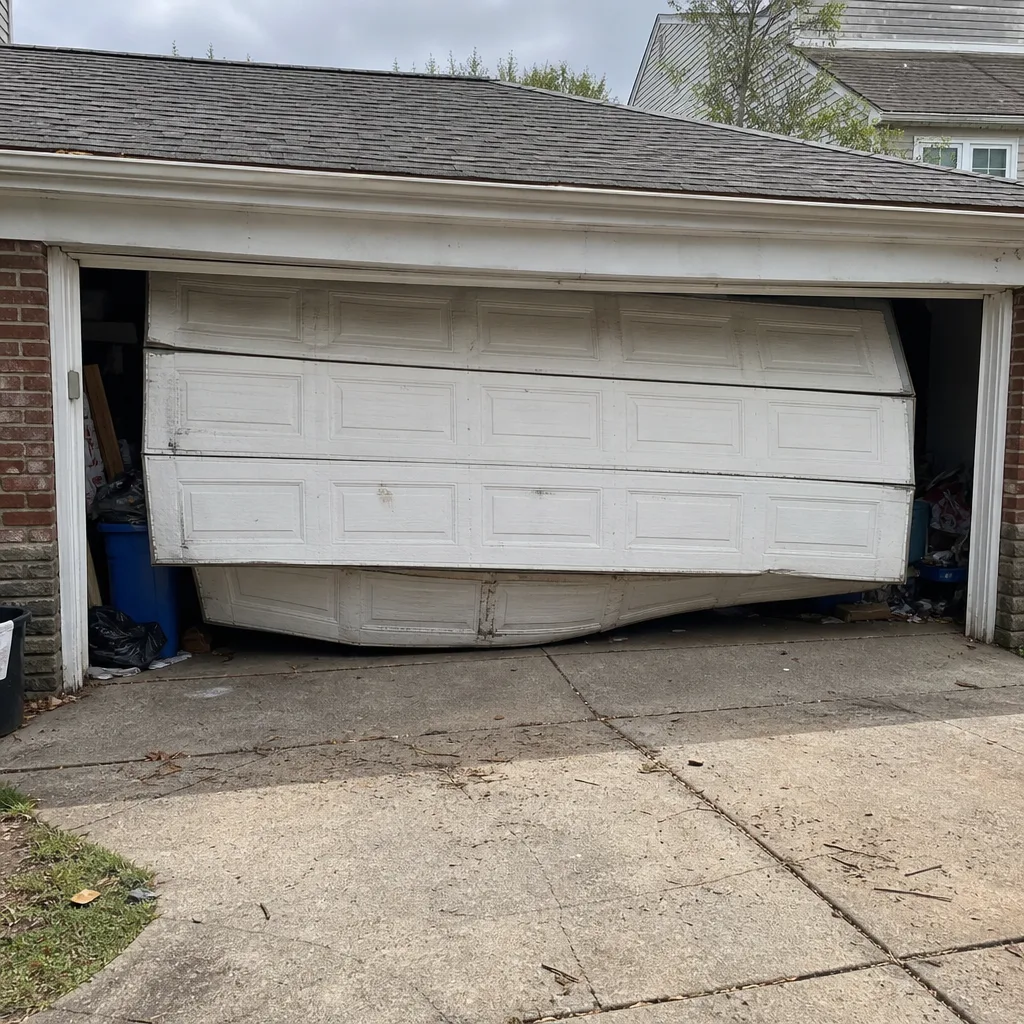 Before
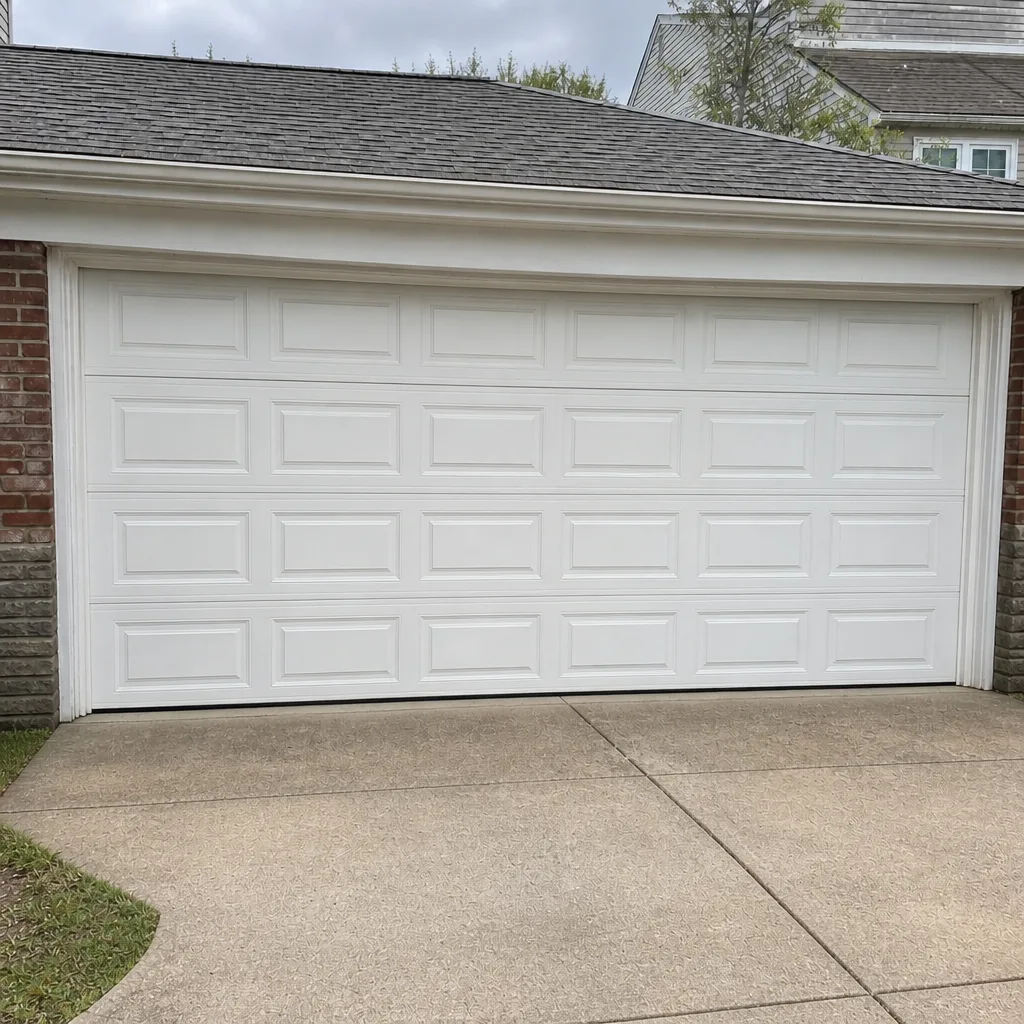 After
When to Call a Professional
Call a professional when the problem involves a spring, a cable, a cable drum, or a door that won’t lift by hand. Those are the repairs that carry real injury risk if the stored tension releases unpredictably. Call when the opener runs but the door won’t move (that’s a spring or drive issue, not an opener you can fix with a remote), when a door has come off its track, or when the door is crooked or binds on one side. Also call when the door is stuck open: a garage door left open on a Northeast Philadelphia street is a security problem and needs the fix quickly. Free estimates in Northeast Philadelphia are available, and we take on emergency service for doors that won’t open or won’t close. Call (855) 337-1296 for a free estimate and we’ll get a technician out to diagnose it properly.
Frequently Asked Questions
Most garage door repairs in Northeast Philadelphia fall into a range that depends on the part: a sensor or limit adjustment is at the low end, a roller or hinge replacement is modest, and spring repairs sit at the higher end because of the labor and the safety work involved. The written estimate you get before any work starts is the price, and it’s quoted and agreed before the technician touches a tool. Call (855) 337-1296 for a free estimate, and we’ll give you a range and a clear written price.
Yes, garage door repairs on doors that won’t close or won’t open are handled as same-day emergency service in most cases. A door that won’t close is a security risk on a Northeast Philadelphia block, so it moves to the front of the schedule. Call (855) 337-1296 and tell us the symptom, and we’ll get a technician out the same day if the schedule allows.
No. Torsion and extension springs hold a large amount of stored energy, and a spring that looks loose can still be under tension. Spring repair is one of the most hazardous jobs in a garage, and it should go to a trained technician. We handle spring repair as a core service specifically because it’s the job homeowners most often want to attempt and most need to avoid.
Not always. Check the sensor lights, clean the lenses, and confirm nothing is blocking the beam first. If the lights are steady and the beam is clear and the door still reverses, the issue is likely the opener’s travel limits or the logic board, and that’s worth a call. A door that reverses only in cold weather may be tracking on ice or a stiff seal, which is also worth a look.
The price quoted and agreed before work starts is the price for that job. If the diagnosis changes once the technician sees the door, we’ll explain what changed and agree on a revised written price before any additional work begins. You won’t get an invoice with surprises on it after the fact. Call (855) 337-1296 for a free estimate.
The local professionals we connect you with are licensed and insured as their state requires. The technicians are garage door specialists, not generalists, and they have up to 8 years of experience working on the major brands, including LiftMaster, Chamberlain, Genie, Clopay, Amarr, Wayne Dalton, Craftsman, and Raynor. If you have a specific brand or unit, mention it when you call so we can match the right technician to the job.
The Bottom Line
The core lesson is the same for every symptom: chase the cause, not the noise. A door that reverses is usually a sensor obeying a bad instruction. A door that won’t lift is usually a spring, not the opener. A door that’s loud is usually worn hardware warning you about a bigger repair down the line. Sensors, limits, battery changes, and lubrication are fair game for a homeowner. Springs, cables, and drums are not, and a Northeast Philadelphia winter puts extra stress on all of it through the freeze-thaw cycle. Diagnose the system, respect the stored energy in the springs, and call a professional when the fix crosses that line. One trade, done right.
Garage Door Repair Northeast Philadelphia handles repair, opener repair, spring repair, and full installation across Northeast Philadelphia, and we service the major brands by their own failure patterns. When the door won’t move, we do. Call (855) 337-1296 for a free estimate and a written price before any work starts.
Written by the team at Garage Door Repair Northeast Philadelphia.